

The VPN market in 2026 has long ceased to be a niche story for “paranoid users and IT specialists.” Today, it is a basic tool of digital hygiene, roughly like antivirus software ten years ago. The reason is simple and pragmatic: the more our lives move online — from banking to messaging and work files — the higher the cost of data leaks. And in this logic, a VPN is not an “option,” but a layer of protection between you and the internet. At the same time, the paradox is that choosing a suitable service has become more difficult than ever: there are dozens of offers, the promises are the same everywhere, and the real differences are hidden deep under the hood.
If we remove marketing, a good VPN in 2026 is a balance of three things: speed, privacy, and convenience. Too strong a bias toward security often kills speed, while maximum simplicity sometimes comes at the cost of real protection. That is why experts usually do not look for the “perfect” service, but highlight several leaders, each of which solves its own task.
In the current ranking actively discussed in профиль media, the top 5 includes Proton VPN, Mullvad VPN, ExpressVPN, NordVPN, and Surfshark — and this is a very indicative selection because it reflects the full spectrum of approaches to privacy.
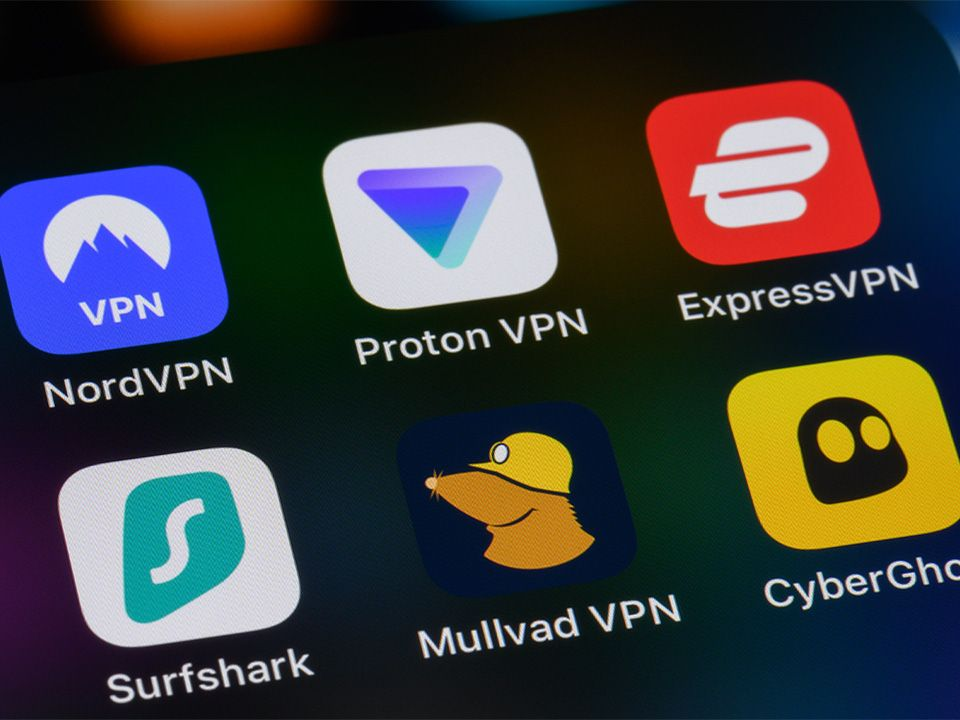
Proton VPN is currently perceived as a kind of “gold standard” for those who put confidentiality above all else. Swiss jurisdiction, open source code, and independent audits are not just nice words, but real trust factors. Especially notable is their free plan without ads and traffic limits — a rare case where “free” does not mean “you are the product.” As a result, Proton becomes a universal option: suitable both for beginners and for those who understand data protection more deeply.
Mullvad goes even further and essentially pushes the idea of anonymity to the extreme. There is not even a traditional registration: instead of an email — a random number, instead of a bank card — the ability to send cash. In a world where most services try to collect as much information about the user as possible, such an approach looks almost radical. This is a VPN for those who not only want privacy, but want it “to the maximum,” even at the cost of some convenience.
If we look at the “turn it on and forget it” segment, ExpressVPN traditionally stands strong. It is one of the most user-friendly services on the market: minimal settings, stable performance, and high speed. Their proprietary Lightway protocol provides good performance even when connecting to remote servers, which is especially important for streaming or work. Yes, it is more expensive than competitors, but this is a classic case of “you pay for peace of mind.”
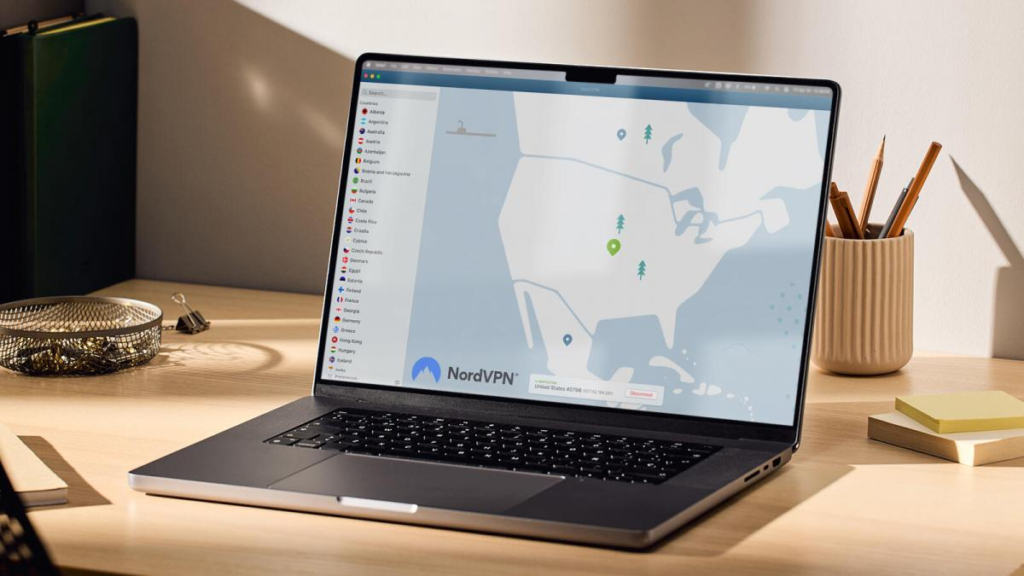
NordVPN occupies the niche of a universal solution. This is a case where everything is “good enough”: high speed, strong security, a huge server network, and additional features such as protection against malicious sites. Their NordLynx protocol is a successful adaptation of WireGuard, providing a good balance between speed and protection. Therefore, NordVPN is often chosen by those who do not want to dive into details but want to get maximum functionality at once.
Surfshark, in turn, plays in the field of affordability and flexibility. Its main advantage is an unlimited number of devices on a single subscription. In real life, this means you can protect an entire household: phones, laptops, TVs — everything at once and without extra charges. At the same time, it does not significantly уступает in speed and functionality to more expensive competitors, which makes it one of the best options in terms of price-to-features ratio.
Beyond this top five, there is also life. Services such as CyberGhost, IPVanish, Windscribe, TunnelBear, Private Internet Access, and Hide.me offer interesting solutions, but more often lose to the leaders either in speed, stability, or level of trust. These are not “bad” services, but rather more niche or compromise options.
It is important to understand that the popularity of VPNs today is directly related not only to privacy but also to security in a broader sense. Experts increasingly warn about risks for users of older Android versions, especially those who remain on Android 12 and below without security updates. In such a situation, a VPN is not a panacea, but an additional layer of protection that can reduce risks when working in open networks or when transmitting data.
In the end, choosing a VPN in 2026 is no longer about “which is the best,” but about “which is best for you.” For some, absolute anonymity is important; for others, speed for streaming; for others, price and convenience. But the main trend is obvious: VPN is gradually turning from an optional tool into a standard part of digital life. And if before it was turned on “just in case,” now the logic is changing — it is easier to keep it on all the time than to explain one day where your data went.
All content provided on this website (https://wildinwest.com/) -including attachments, links, or referenced materials — is for informative and entertainment purposes only and should not be considered as financial advice. Third-party materials remain the property of their respective owners.