

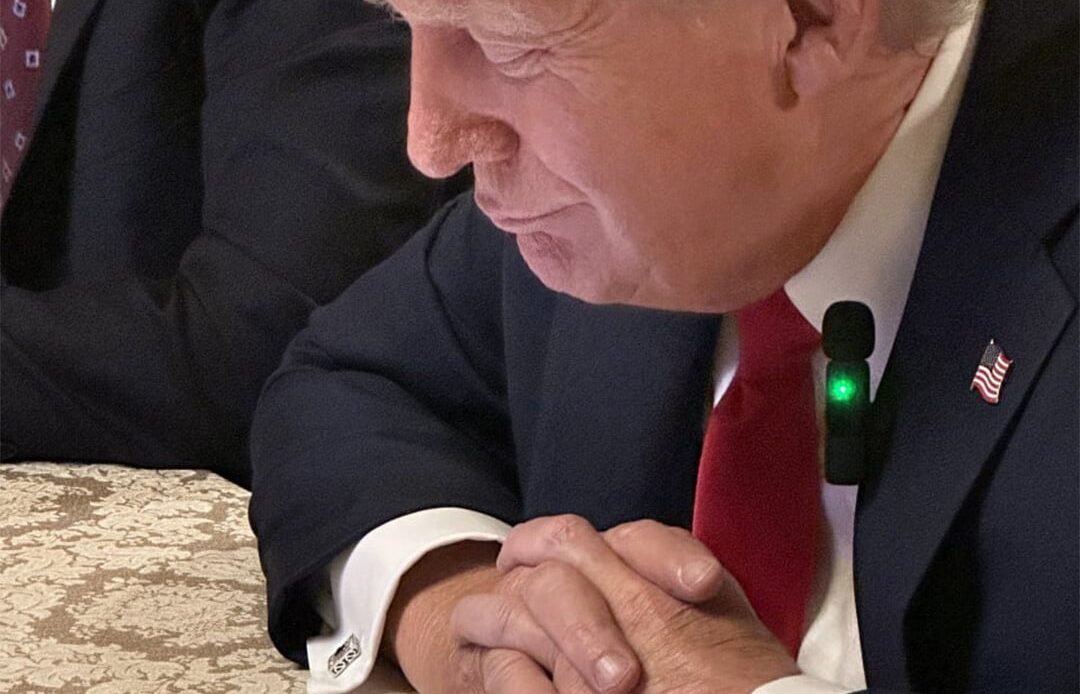
The American regulator once again finds itself in a situation where the market is moving ahead not only of the news but also of common sense – and this may now turn into a full-scale investigation with political undertones. The US Commodity Futures Trading Commission (CFTC) is examining suspicious trading activity in the oil futures market, which in terms of timing resembles a classic case of possible insider information used ahead of public statements by Donald Trump regarding the situation around Iran. Bloomberg reports this.
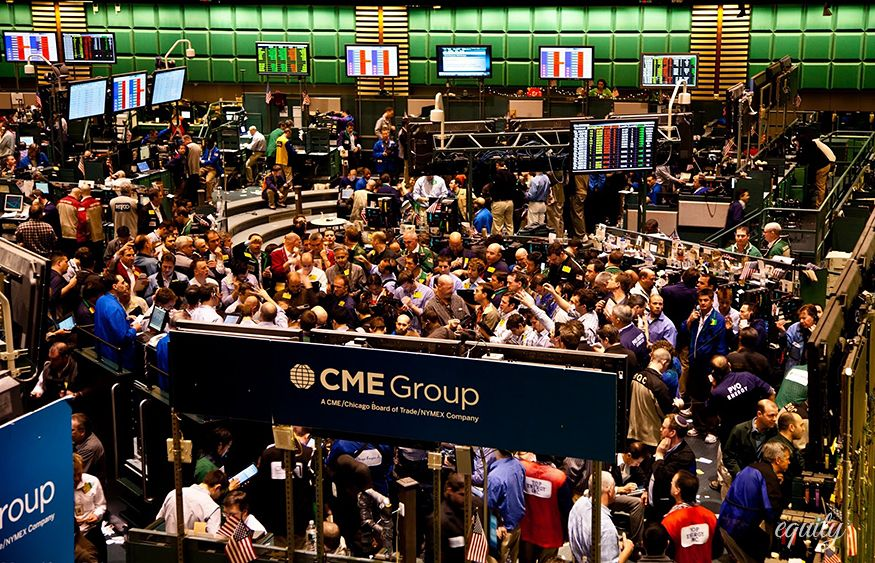
This is not about one-off “lucky trades” but about repeated anomalies in timing and volumes. According to Bloomberg sources, the regulator is analyzing at least two episodes that occurred roughly two weeks apart. In both cases, a sharp increase in activity in oil futures was observed on CME Group and Intercontinental Exchange (ICE) shortly before political statements related to Iran and potential de-escalation appeared.
One of the key episodes took place on March 23. About 15 minutes before Donald Trump published a message on his Truth Social platform about postponing strikes on Iran, large trades in oil contracts and equities worth billions of dollars were recorded. Immediately after the post appeared, the market reacted sharply and in sync: oil prices moved down, while equity indices rose. Such a reaction is not unusual in itself – what stands out is the timing of the trades, which creates the impression of a pre-known scenario.
The second episode, according to the investigation, occurred on April 7. Then, several hours before the announcement of a two-week ceasefire with Iran, a spike in trading activity in oil and gas futures was also recorded. Once again, the structure of the move appeared to be “perfectly aligned” with the subsequent news: after the statement, energy prices declined, while risk assets received support.
This repeating pattern became the trigger for regulatory attention. The CFTC has begun reviewing trading flows for possible use of non-public information that could have influenced market participants’ decisions. The investigation focuses on derivatives trading venues CME and ICE, two of the largest infrastructure hubs of global commodity trading.
Special attention is being paid to so-called Tag 50 identifiers – technical codes that allow regulators to reveal ultimate beneficial owners and entities behind specific orders. In essence, the regulator is trying to answer a key question: who exactly stood behind the anomalous volumes, and whether these participants were linked to sources of political information that had not yet been made public.
It is important to understand that volume spikes ahead of news do not in themselves prove wrongdoing. The oil market is one of the most liquid and geopolitically sensitive markets, and activity spikes before major events are common. However, in this case what raises concern is the combination of factors: timing synchronization, scale of volumes, and the subsequent directional market reaction after the announcements.
CME Group and Intercontinental Exchange have already received official data requests and have begun sharing information as part of cooperation with the regulator. The investigation is still in its early stages, and no charges have been brought – the regulator is analyzing data and mapping trading activity around key time windows.
The situation is further complicated by the fact that these events sit at the intersection of financial markets and political rhetoric, where information can instantly move asset prices. In such an environment, the line between a successful trading strategy and potential insider use becomes especially thin.
If the suspicions are confirmed, this could become one of the most high-profile cases in commodity markets in recent years, as it spans multiple layers – from global oil derivatives to political statements capable of moving trillion-dollar capital flows within minutes.
All content provided on this website (https://wildinwest.com/) -including attachments, links, or referenced materials — is for informative and entertainment purposes only and should not be considered as financial advice. Third-party materials remain the property of their respective owners.