

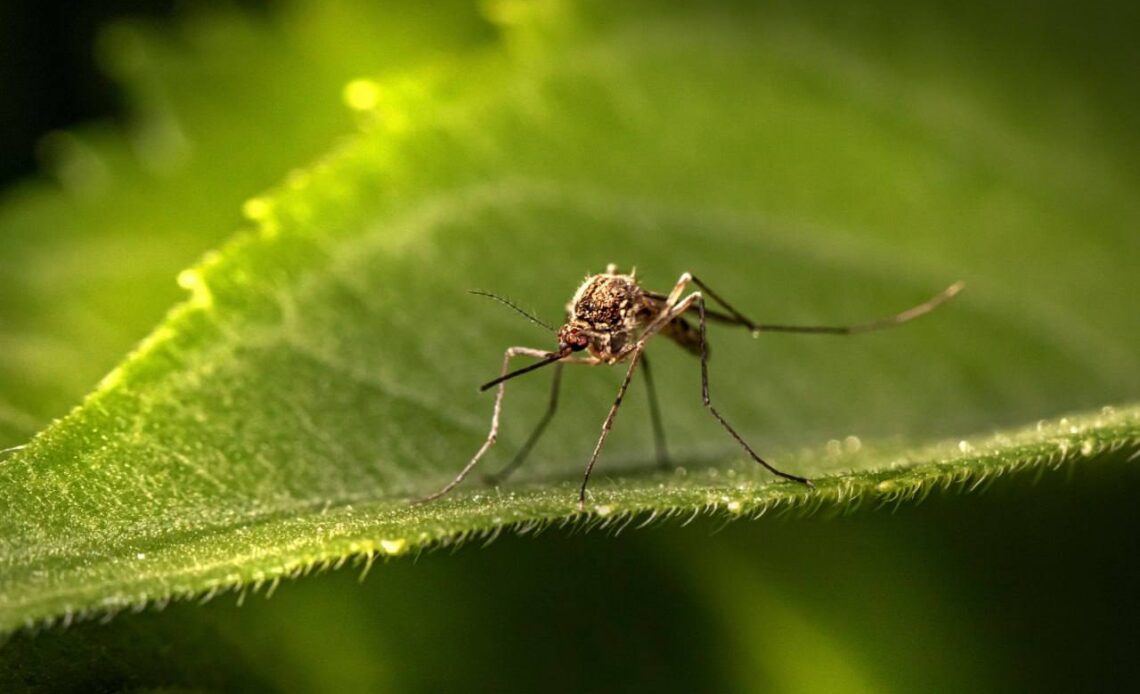
The United States is discussing one of the most unusual biotech projects in recent years. Through its Debug research program, Google is proposing to release around 32 million specially treated mosquitoes in California and Florida. The goal is straightforward in intent but unusual in method: reduce the spread of dangerous diseases affecting thousands of people annually, including West Nile virus, dengue fever, Zika virus, chikungunya, yellow fever, and other mosquito-borne infections.
At first glance, the idea seems paradoxical – instead of eliminating mosquitoes, millions of them are released into the environment. The key difference is that only male mosquitoes are deployed, treated with the bacterium Wolbachia pipientis wAlbB. This bacterium disrupts reproduction: when these males mate with wild females, the offspring do not survive, gradually reducing mosquito populations without chemical insecticides.
Importantly, male mosquitoes do not bite humans, as only females require blood for egg development. Therefore, researchers say the number of bites should not increase. The primary target is Culex mosquitoes, which are major carriers of West Nile virus.
The issue is already real. The virus continues to circulate among birds and mosquito populations in several US states, and a recent positive case was confirmed in Riverside County. For local authorities, it is another reminder that the threat remains active.
The project is part of Google’s Debug initiative, which has been exploring biological control systems and automation technologies for over a decade. One of the biggest challenges is not infecting mosquitoes with Wolbachia, but producing and sorting them at scale. To solve this, Google relies on robotics and AI systems capable of separating male mosquitoes in industrial volumes.
The approach is presented as an alternative to chemical pesticides, which can affect other insect species and ecosystems. However, public reaction remains divided. Some residents welcome the idea as a potential way to reduce disease and mortality, while others are skeptical about large-scale ecological interventions.
If approved by the US Environmental Protection Agency (EPA), the release would be rolled out gradually over two years in small batches to minimize ecological risks.
If successful, the United States could become the testing ground for one of the largest biotech experiments in vector control. Millions of AI-assisted, robot-produced mosquitoes would then take on an unusual role – reducing their own population while helping protect humans from infectious diseases.
All content provided on this website (https://wildinwest.com/) -including attachments, links, or referenced materials — is for informative and entertainment purposes only and should not be considered as financial advice. Third-party materials remain the property of their respective owners.