
CryptocurrencyNewsStock brokersStock research & analytics

Weekend Chronicle: Why the Markets Are No Longer Panicking

Join our Trading Community on Telegram

The past weekend once again became one of the most tense periods in the Middle East. The conflict between the United States and Iran continues to expand, affecting key transportation routes, oil infrastructure, and global financial markets.

However, the most interesting developments are taking place not on the battlefield, but on the stock exchanges.

Despite another escalation, investors reacted far more calmly than they did just a few months ago. While similar headlines triggered outright panic in the spring, markets are now taking the situation much more calmly.

What Happened Over the Weekend

According to international media reports, Iranian forces attacked the container ship M/V GFS Galaxy, sailing under the Cypriot flag. The vessel sustained serious damage, and one crew member has been reported missing.

Almost simultaneously, the United States carried out its third large-scale wave of airstrikes this week against facilities linked to Iranian military structures. According to available information, around 300 military targets have been struck over the past seven days, including approximately 140 during the latest operation alone.

Iran responded quickly by launching strikes against facilities in Kuwait, Qatar, Jordan, Oman, and the United Arab Emirates. According to U.S. officials, no American military personnel were injured in these attacks.

One of the most widely discussed developments was Tehran’s announcement regarding the closure of the Strait of Hormuz, a strategically important maritime corridor through which roughly one-fifth of global oil exports pass.

Washington maintains that international shipping continues, yet data from maritime tracking services indicate a sharp decline in vessel traffic. Many shipping companies have chosen to reroute their vessels temporarily while awaiting further developments.

Why Is the Strait of Hormuz So Important?

The Strait of Hormuz is one of the world’s most critical energy corridors.

Every day, millions of barrels of oil and substantial volumes of liquefied natural gas are transported through it from Saudi Arabia, Iraq, Kuwait, Qatar, the UAE, and other Persian Gulf countries.

Any threat to maritime traffic immediately increases shipping insurance costs, transportation expenses, and the risk of disruptions to global energy supplies.

That is why every report about restrictions in the Strait of Hormuz is reflected almost instantly in global oil prices.

How Financial Markets Are Reacting

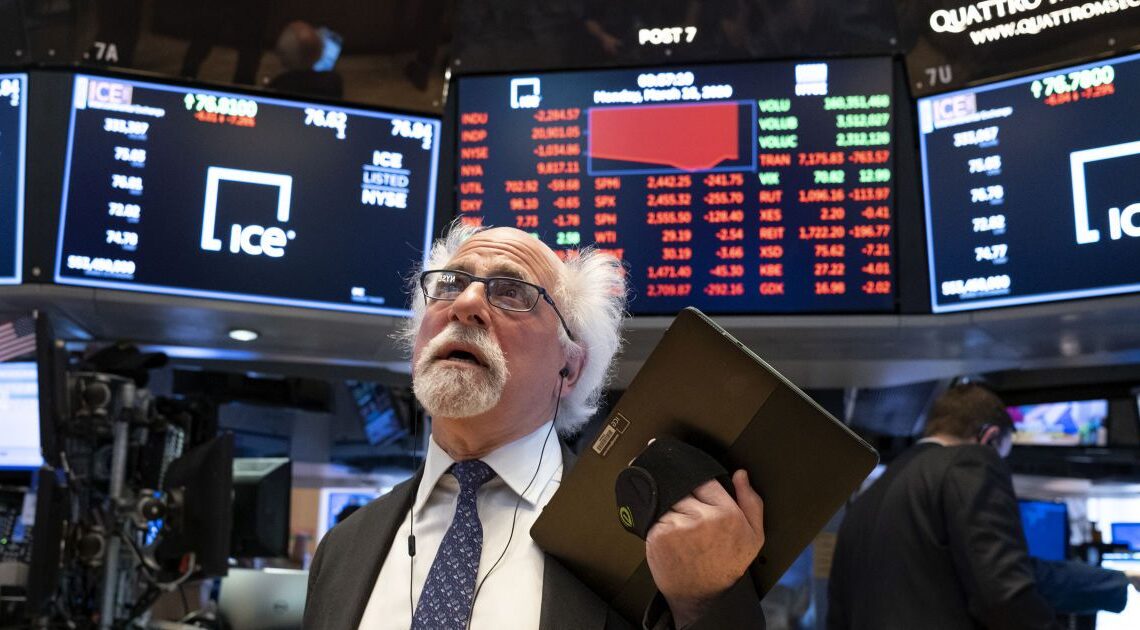
Despite dramatic headlines, there has been no major market sell-off so far.

As of today:

  • Bitcoin is down about 2% over the past 24 hours;
  • Ethereum has declined by roughly 1.5%;
  • Brent crude is trading near $79 per barrel;
  • WTI remains in the $73-74 range;
  • Dow Jones, S&P 500, and Nasdaq futures are slightly lower;
  • the average U.S. gasoline price has reached $3.87 per gallon, approximately 30% higher than at the beginning of the conflict in February.

In other words, the primary impact is currently being felt in the energy market, while equities and cryptocurrencies have remained relatively resilient.

Why Aren’t Markets Panicking Anymore?

The situation looked very different in the spring.

When Iran first announced the closure of the Strait of Hormuz, Brent crude surged above $100 per barrel and briefly approached $120.

At the same time, Bitcoin suffered significantly larger losses than it is experiencing today, while investors rushed into traditional safe-haven assets.

Today’s picture is noticeably different.

Despite fresh military strikes, shipping threats, and ongoing retaliatory attacks, market participants are showing much greater resilience.

The reason is simple: investors have gradually adapted to the constant flow of geopolitical news.

Markets are no longer reacting to military escalation itself, but rather to its actual economic consequences.

What Investors Are Watching Now

The key question is no longer how many strikes have been carried out or how many targets have been hit.

Instead, investors are focused on understanding:

  • how much global oil supplies may decline;
  • how long shipping restrictions could last;
  • whether global inflation will accelerate;
  • whether the U.S. Federal Reserve will need to keep interest rates elevated for longer;
  • how all of this will affect global economic growth and corporate earnings.

That is why oil prices remain the primary indicator to watch.

If crude prices continue moving higher, inflationary pressures could increase across much of the world, business costs could rise further, and investor expectations regarding future Federal Reserve policy may shift once again.

What Does This Mean for the Crypto Market?

Cryptocurrencies are increasingly behaving like a mature class of risk assets.

Whereas geopolitical shocks once triggered immediate and aggressive sell-offs, Bitcoin is now demonstrating considerably greater resilience.

This reflects the growing maturity of the market.

Investors are no longer reacting emotionally to every alarming headline. Instead, they are paying much closer attention to how geopolitical events influence liquidity, inflation, interest rates, and the monetary policies of the world’s leading central banks.

Conclusion

The key takeaway from recent days is that global financial markets are gradually becoming less sensitive to the mere existence of military conflicts. Investors are now focused primarily on the economic consequences.

If the situation around the Strait of Hormuz remains under control, the market reaction will likely stay relatively limited. However, if oil supplies begin to decline significantly, the energy market could once again become the main source of instability for the global economy, putting renewed pressure on equities, cryptocurrencies, and virtually all risk assets.

0
0
Disclaimer

All content provided on this website (https://wildinwest.com/) -including attachments, links, or referenced materials — is for informative and entertainment purposes only and should not be considered as financial advice. Third-party materials remain the property of their respective owners.

Leave a Reply

Your email address will not be published. Required fields are marked *

Related posts
ArticlesDisruptive technologyStock research & analytics

The Psychology of Success: Learning from Business Legends

We are used to looking for the secret of successful investing in financial statements, valuation…
Read more
Disruptive technologyNews

NEO - The Beginning of the End for Cleaning Services and Household Chores?

    Household robots are rapidly moving from science fiction into reality. 1X Technologies has…
Read more
NewsStock brokersStock research & analytics

The $100 Billion Case or Just Ordinary Laziness

Can you build a company worth more than $100 billion simply because one day you got tired of…
Read more
Telegram
Subscribe to our Telegram channel

To stay up-to-date with the latest news from the financial world

Subscribe now!