

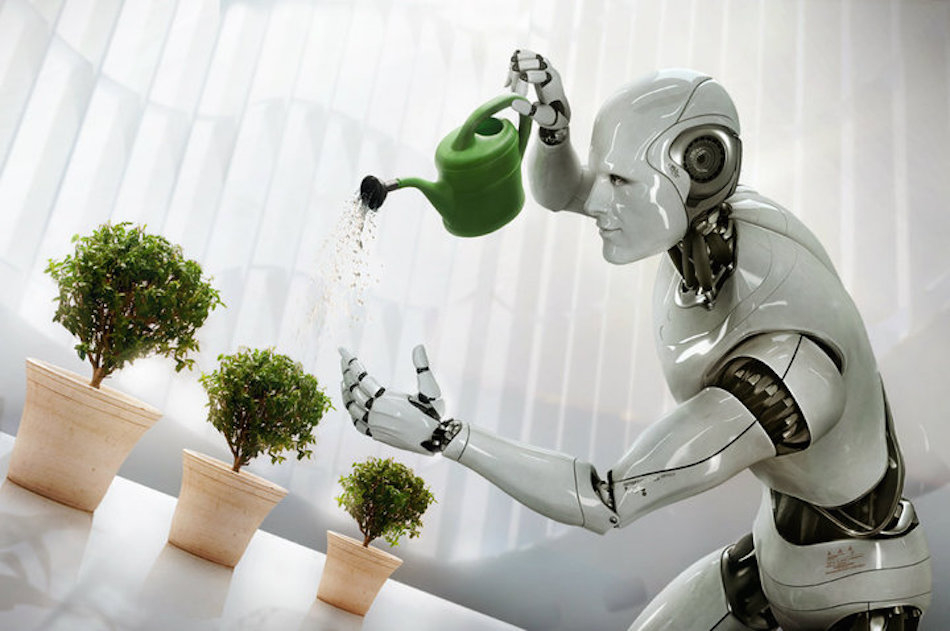
Household robots are rapidly moving from science fiction into reality. 1X Technologies has introduced NEO, one of the first humanoid robots designed specifically for home use. According to the company, it will be available through a subscription model for approximately $499 per month.
Today, NEO is already capable of folding laundry, ironing clothes, loading and unloading washing machines and dishwashers, watering plants, carrying heavy objects weighing up to 68 kg (150 lbs), assisting in the kitchen, finding lost keys, phones, or remote controls, monitoring refrigerator contents, suggesting recipes, holding conversations, reading the news, and even helping children learn foreign languages.
Perhaps its most impressive feature is its ability to learn new household tasks simply by observing humans, without requiring developers to write new code for every skill.
The first deliveries are scheduled for the United States in 2026, followed by Canada.
Just a few years ago, these capabilities sounded like science fiction. Today, they are becoming part of everyday life.
Of course, the technology is still far from perfect. But the first automobile was once slower than a horse, early mobile phones had extremely short battery life, and personal computers were once dismissed as toys for enthusiasts.
Nearly every breakthrough technology is met with skepticism before quietly becoming an ordinary part of daily life.
Following the presentation, many people raised questions about safety.
According to the developers, the robot does not work with open flames, does not spray household chemicals, and its battery includes multiple layers of overheating protection.
Most data processing takes place directly on the device, the cameras can be physically disabled with a dedicated button, and remote operator access is only possible with the owner’s permission.
An even more interesting question is how robots like NEO could reshape the labor market.
If humanoid household robots become affordable and widely available, major changes could affect cleaning services, domestic assistance, elderly care, and many other industries.
Just as ATMs transformed banking and self-checkout systems changed retail stores, home robots could fundamentally reshape household services.
Perhaps within the next decade, a household robot will become as common as a robotic vacuum cleaner or a dishwasher is today.
What do you think? Would you trust a robot with your household chores, or would you still prefer having a person do them?
All content provided on this website (https://wildinwest.com/) -including attachments, links, or referenced materials — is for informative and entertainment purposes only and should not be considered as financial advice. Third-party materials remain the property of their respective owners.