
NewsStock brokersStock research & analytics

US and Iran: Here We Go Again?

Join our Trading Community on Telegram

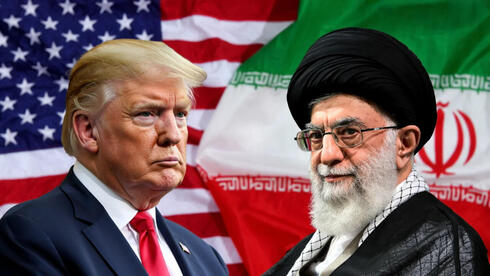
The situation surrounding Iran once again highlights one of the main paradoxes of modern geopolitics: diplomatic negotiations continue almost simultaneously with military strikes. While Washington and Tehran publicly discuss the possibility of a deal and a potential ceasefire, military targets across the Middle East continue to come under attack, and the risk of a new escalation remains high.

Over the past few days, the United States has carried out a series of strikes against Iranian military infrastructure. According to U.S. officials, the targets included radar systems and drone command facilities near Goruk and on Qeshm Island. Washington stated that the operation was conducted in response to the downing of an American reconnaissance drone.

Tehran’s response followed quickly. Iranian forces launched an attack against a U.S. air base in Kuwait. The Islamic Revolutionary Guard Corps warned that if similar actions are repeated, the response could be far more significant. As a result, the conflict remains in a phase of controlled escalation, with both sides demonstrating a willingness to use force while simultaneously trying to avoid a full-scale military confrontation.

Additional tension came from comments by U.S. Defense Secretary Pete Hegseth. According to him, American forces are prepared to resume strikes against Iran at any moment if diplomatic negotiations fail to produce an agreement. Many analysts view this statement as an attempt to increase pressure on Tehran ahead of the next stage of talks.

At the same time, the position of President Donald Trump appears somewhat contradictory. On one hand, the White House has still not approved the proposed 60-day ceasefire. On the other, Trump continues to insist that Iran wants a deal and that the chances of reaching an agreement remain strong. According to him, Tehran is showing a willingness to negotiate and is interested in preventing further deterioration of the situation.

What is emerging is a rather unusual picture. At the diplomatic level, both sides continue sending signals that they are open to compromise. At the military level, they continue exchanging strikes. At the information level, both governments seek to project strength while preserving room for negotiations. That is why many experts describe the current situation as neither peace nor war, but rather a prolonged phase of managed pressure.

The reaction of financial markets has been particularly interesting. During the early stages of the confrontation, virtually every strike in the Middle East triggered significant market volatility. Today, investors appear increasingly fatigued by geopolitical risks. Markets are responding less and less to headlines about new attacks.

This trend is clearly visible in traditional safe-haven assets. Gold ETFs continue to experience capital outflows despite ongoing regional tensions. At the same time, spot Bitcoin ETFs have recorded a series of consecutive negative sessions, with cumulative outflows already reaching billions of dollars.

The situation in the U.S. stock market is even more revealing. Despite the conflict involving Iran, major American indices finished the week near record highs. Investors remain focused on artificial intelligence, corporate earnings, and economic growth, paying considerably less attention to geopolitical developments than they did a year ago.

The oil market is sending a similarly noteworthy signal. Although the Middle East remains one of the world’s most important oil-producing regions, crude prices ended May roughly 20% below their level at the beginning of the month, marking the worst monthly performance in six years. This suggests that traders are not currently pricing in major supply disruptions or a large-scale war scenario.

As a result, a rather unusual situation has emerged: military risks remain elevated, diplomacy remains highly uncertain, yet financial markets increasingly behave as if the conflict has become part of the normal background environment. The key question now is whether the United States and Iran can transform the current exchange of signals into a genuine agreement, or whether another strike by either side will once again push the region to the brink of a major crisis.

0
0
Disclaimer

All content provided on this website (https://wildinwest.com/) -including attachments, links, or referenced materials — is for informative and entertainment purposes only and should not be considered as financial advice. Third-party materials remain the property of their respective owners.

Leave a Reply

Your email address will not be published. Required fields are marked *

Related posts
Disruptive technologyNewsStock brokersStock research & analytics

What is moving markets today

The new week on Wall Street is starting at all-time highs, but it is far from calm. Investors are…
Read more
Disruptive technologyNewsStock research & analytics

NVIDIA and the MacBook challenge

NVIDIA presented RTX Spark – “the most efficient PC chip in history” NVIDIA officially…
Read more
Disruptive technologyNewsStock research & analytics

Google and 32 million mosquitoes

The United States is discussing one of the most unusual biotech projects in recent years. Through…
Read more
Telegram
Subscribe to our Telegram channel

To stay up-to-date with the latest news from the financial world

Subscribe now!