

Several positive developments in the Middle East have triggered noticeable momentum across global financial markets.
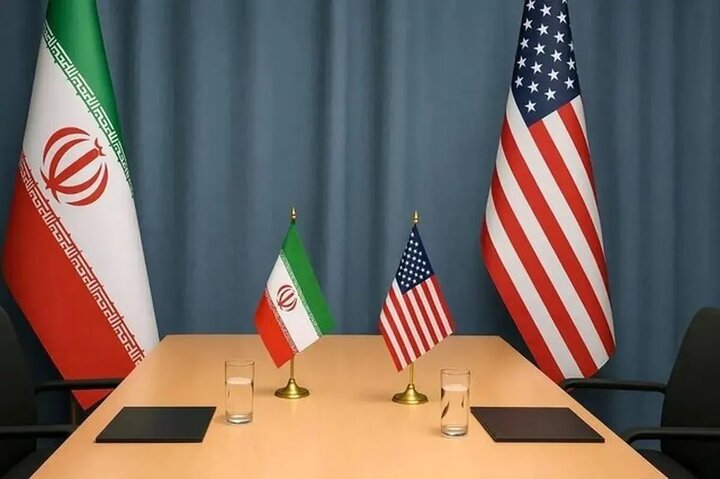
The United States and Iran, according to statements by Donald Trump, have reached a preliminary agreement that has already significantly shaken global markets. The former U.S. president said he “fully authorizes the opening of the Strait of Hormuz without any fees” and simultaneously orders the immediate lifting of the maritime blockade by the United States, adding: “I hereby fully authorize the opening of the Strait of Hormuz without any fees and simultaneously order the immediate lifting of the maritime blockade by the United States. Ships of the world, start your engines. Let the oil flow!”
Following these statements, the oil market reacted instantly — Brent rose to around $83 per barrel, returning to levels seen in early March.
At the same time, the crypto market also responded strongly: Bitcoin firmly returned above $65,000 and at one point nearly reached $66,000 amid expectations of reduced geopolitical tensions. Ethereum gained around 3%, while Solana rose by more than 4%. Analysts explain the move in classic terms — lower regional risk and expectations of a potential reopening of a key maritime route through the Strait of Hormuz, which plays a critical role in global oil supply. According to them, investors are quickly pricing in a de-escalation scenario.
It is also reported that Trump separately stated that after the agreement is signed, oil should flow freely in both directions, ensuring supply stability for the region and the world.
However, the final details of the deal have not yet been disclosed. It is known only that the official signing ceremony of a 14-point memorandum of understanding between Iran and the United States will take place on Friday, June 19, in Switzerland, mediated by Pakistan, according to Associated Press.
Iran, according to preliminary reports, has secured the immediate lifting of the maritime blockade, while issues related to its nuclear program are reportedly placed into a separate 60-day negotiation track.
The situation exposes a deeper structural risk that is currently receiving insufficient attention. Iran’s nuclear program remains unresolved in essence, while the declared 60-day “ceasefire window” appears more like a temporary pause than a solid foundation for long-term stabilization.
If negotiations over the nuclear dossier stall, the current geopolitical risk premium — which is rapidly compressing — could just as quickly re-expand. In that case, markets would once again return to a familiar pattern where optimism turns into anxiety faster than prices can be recalculated.
The key question remains: will this agreement become a genuine turning point, or just another episode in the familiar cycle of “escalation — hope — disappointment” that the region has experienced many times before. Like it or not, Trump has once again, not for the first time in recent months, claimed that “peace is close.”
All content provided on this website (https://wildinwest.com/) -including attachments, links, or referenced materials — is for informative and entertainment purposes only and should not be considered as financial advice. Third-party materials remain the property of their respective owners.