

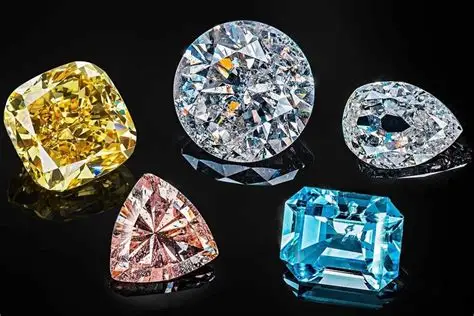
Starting September 1, 2026, new regulations will come into force in Russia, fundamentally changing the way precious stones are marketed and sold. Under the new rules, the term “diamond” may only be used to describe natural diamonds that have been cut and polished. Stones grown in laboratories will no longer be allowed to be sold under this name.
Instead, synthetic stones must officially be labeled as “cut synthetic diamond.” In addition, significantly stricter requirements will apply to their labeling and descriptions in advertising, online stores, and jewelry shops. One of the key changes is a ban on using any wording that could lead consumers to believe that a laboratory-grown stone is of natural origin. Popular marketing phrases such as “eco-friendly diamond,” “created diamond,” or “natural diamond alternative” may be restricted if they are considered misleading.
The rules for indicating weight will also change. While natural diamonds are traditionally measured in carats, the use of carats for synthetic diamonds will be prohibited. Their weight may only be specified in grams. This is intended to create a clear visual and legal distinction between laboratory-grown and natural stones.
According to the Russian authorities, the primary goal of the reform is to increase market transparency and better protect consumers. Although laboratory-grown diamonds are almost identical to natural diamonds in terms of their chemical composition and physical properties, they are often several times less expensive. As a result, buyers should clearly understand exactly what type of stone they are purchasing.
The market for laboratory-grown diamonds is expanding rapidly worldwide. Advances in technology have made these stones increasingly high in quality and almost impossible to distinguish from natural diamonds without specialized equipment. This has intensified global discussions about the need for uniform labeling standards and transparent consumer information.
Russia’s decision could have international implications. The country remains the world’s largest producer of natural diamonds, and its policies in this sector are closely monitored by participants in the global jewelry industry. It is possible that similar labeling requirements for laboratory-grown diamonds will eventually be introduced in other countries seeking to improve transparency in the precious stones market.
As a result, beginning in September, the Russian market will effectively separate natural and laboratory-grown stones not only from a legal perspective but also in terms of terminology, labeling, and the way these products are presented to consumers. This could become one of the most significant developments in the global gemstone industry in recent years.
All content provided on this website (https://wildinwest.com/) -including attachments, links, or referenced materials — is for informative and entertainment purposes only and should not be considered as financial advice. Third-party materials remain the property of their respective owners.