

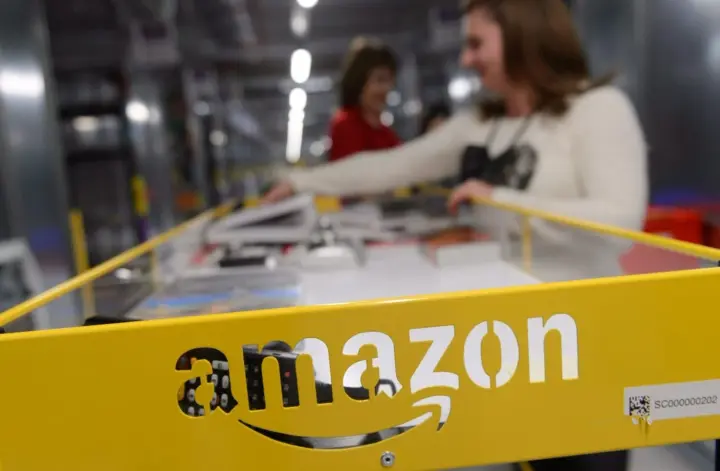
Amazon is introducing new rules for third-party sellers: images and videos featuring people created with artificial intelligence must now be clearly identified before they are uploaded to the platform. The new requirements apply not only to product images but also to A+ Content, including banners, graphics, and promotional videos displayed on product pages.
The changes are driven by a new New York State law that came into effect on June 9. The legislation requires companies to disclose the use of so-called “synthetic performers” – photorealistic characters created entirely with artificial intelligence that replace real people in advertising. Violations carry a fine of $1,000 for the first offense and $5,000 for each subsequent violation.
Amazon has informed sellers that such content must include specific metadata. In the future, the company plans to display a notice on product pages informing customers that AI-generated people are used in the advertising content. However, the requirement does not apply to characters from movies, TV series, or video games, nor to real photographs of people that have only been partially enhanced using artificial intelligence.
The move reflects a broader industry trend. While discussions about artificial intelligence previously focused mainly on deepfakes and political misinformation, concerns about authenticity are now becoming part of everyday e-commerce. Consumers increasingly want to know whether they are looking at a real person or a fully digital character generated by AI.
At the federal level, the United States does not yet have a law requiring AI-generated advertising to be labeled. However, individual states are beginning to introduce their own regulations. For example, California requires major AI developers to embed watermarks in AI-generated images and videos.
Other major online platforms have already adopted similar measures. Meta, TikTok, YouTube, and Pinterest label AI-generated content, although they have repeatedly faced criticism for insufficient transparency regarding advertising featuring virtual influencers.
The change is particularly significant for Amazon because more than 60% of all products sold on the marketplace come from third-party sellers, many of whom already rely heavily on generative AI to create product photos, descriptions, and marketing materials. The new requirements could become one of the first major transparency standards in e-commerce and set a precedent for the broader online retail industry.
All content provided on this website (https://wildinwest.com/) -including attachments, links, or referenced materials — is for informative and entertainment purposes only and should not be considered as financial advice. Third-party materials remain the property of their respective owners.