

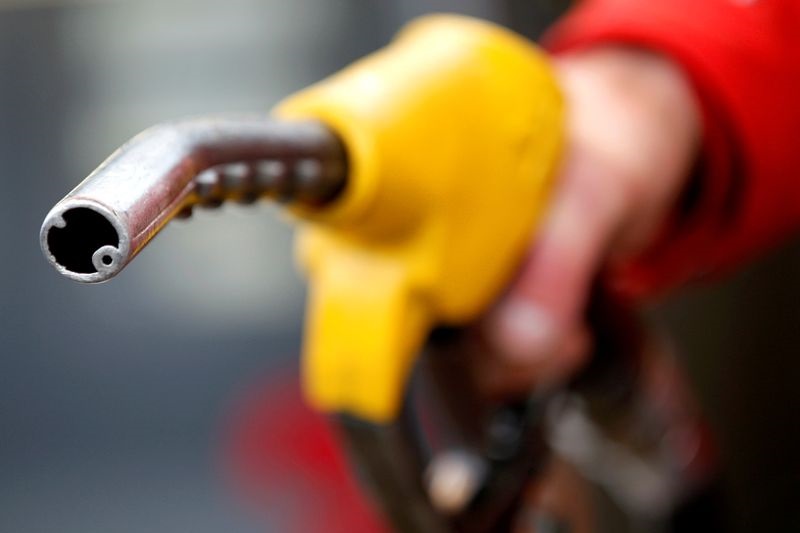
On May 1, the average gasoline price in the United States обновила максимум since July 2022, reaching $4.43 per gallon (about $1.06 per liter), Bloomberg reports. Since December, the increase has been about 63%, and this is no longer just numbers on gas station boards, but a factor that is beginning to affect the economy, politics, and public sentiment simultaneously.
The situation across the country looks extremely uneven, but the overall trend is one – upward. In California, a separate record was recorded: $6.06 per gallon. The psychological mark of $5 has been crossed by several states at once, including Washington, Oregon, Nevada, and Hawaii. At the same time, gasoline cheaper than $4 remains in only 13 states, and even there the price advantage is becoming increasingly conditional. Interestingly, the лидерство for the cheapest fuel has shifted from Oklahoma to Georgia – about $3.80 per gallon. But in current conditions, this already looks not like “cheap”, but like “not so painful yet”.
A separate story is diesel. According to Bloomberg, diesel fuel prices have exceeded $5.40 per gallon. For the economy, this is a much more sensitive indicator than gasoline. Diesel is logistics, freight transportation, agriculture, construction. When diesel becomes more expensive, everything becomes more expensive. And not immediately, but with a delay, which makes inflation more “creeping” and persistent.
The main driver of what is happening is geopolitics and energy. Tensions around Iran and risks to the Strait of Hormuz directly affect expectations for oil supplies. Even without a physical reduction in exports, the market prices in a risk premium. This is a classic situation: oil rises not only because of shortage, but also because of the fear of this shortage.
Against this background, a political calculation also emerges. Donald Trump objectively cannot quickly end the conflict and stabilize supplies, but can bet on a longer strategy. The logic here is simple and at the same time risky: if by the end of summer it is possible to reduce tensions, restore logistics, and possibly increase pressure on the market through the collapse or weakening of OPEC, this may lead to a sharp decline in oil prices. And therefore – to cheaper gasoline.
Such a scenario is politically beneficial. Cheap gasoline is one of the fastest ways to improve voter sentiment. And if this coincides with the electoral cycle, Trump will be able to approach the midterm elections in Congress as the person who “fixed prices”. The problem is that the market does not always adapt to the political calendar.
Meanwhile, pressure is already being felt. According to Associated Press, 61% of adult Americans do not approve of the administration’s economic policy. And gasoline plays a key role here. Unlike the stock market or GDP, gas station prices are something a person encounters personally and regularly. This is the most visible inflation of all possible.
There is even a quantitative estimate of this effect. A study by economists from Stanford University shows that every $1 increase in gasoline prices reduces the University of Michigan consumer sentiment index by at least 4.5 points. Simply put, each new dollar at the pump makes the economy look about 5% “worse” in people’s eyes, even if other indicators remain stable.
At this point, another important player appears – the Federal Reserve System. For the regulator, the situation becomes extremely uncomfortable. On the one hand, rising fuel prices increase inflationary pressure, which requires tight monetary policy. On the other hand, higher rates put pressure on economic activity and employment. And balancing inflation and the labor market is like walking a tightrope in windy weather.
The role of Jerome Powell in this situation becomes especially difficult. Any signal about further Fed actions will be perceived through the lens of fuel inflation. And if earlier the market focused more on core inflation and the labor market, now gasoline is again coming to the forefront as a political and economic indicator.
As a result, a rather tough picture emerges. Rising fuel prices are not a local energy problem, but a chain reaction that passes through the entire economy: from logistics to consumer sentiment, from inflation to elections.
And the main question now is not even whether prices will reach a new peak. The question is how long they will remain high. Because a short-term spike is stress. But a prolonged period of expensive fuel is already a change in the rules of the game for the entire economy.
All content provided on this website (https://wildinwest.com/) -including attachments, links, or referenced materials — is for informative and entertainment purposes only and should not be considered as financial advice. Third-party materials remain the property of their respective owners.