

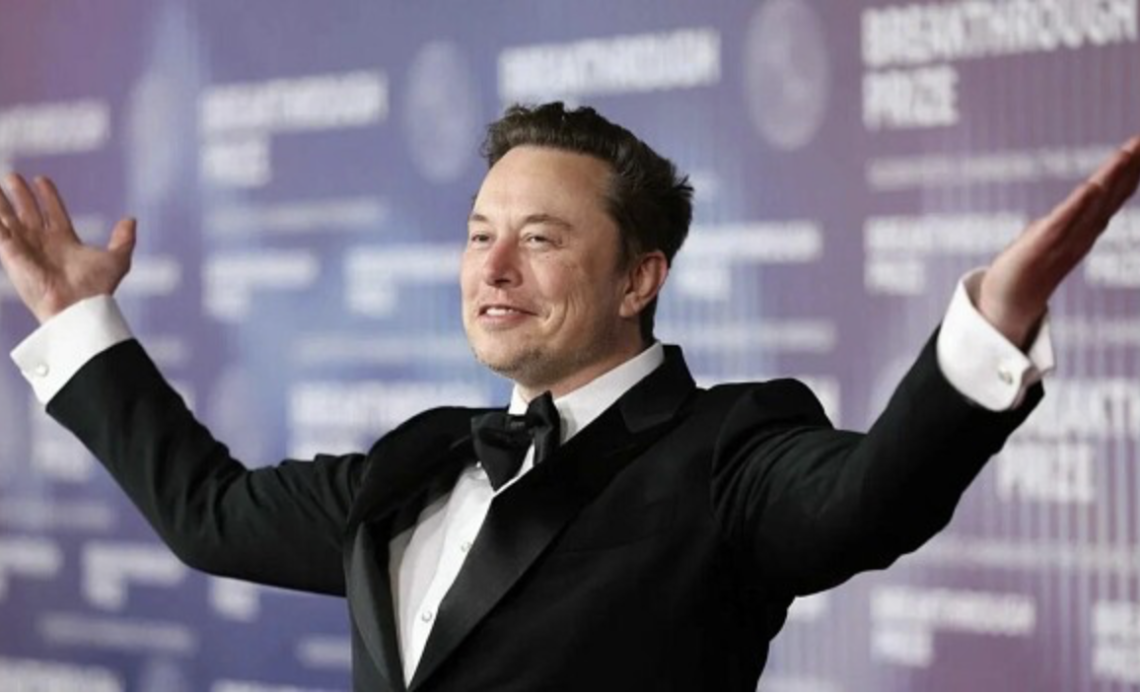
Just a few years ago, discussions about the world’s first trillionaire sounded like science fiction. Analysts debated timelines, investors built forecasts, and journalists tried to understand who would first cross the historic one-trillion-dollar mark in personal wealth. Today, that question has been definitively answered. Elon Musk has officially become the first person in history whose net worth exceeded one trillion dollars (and we warned about it!). Symbolically, this happened thanks to an event the market had been waiting for years – the long-anticipated IPO of SpaceX. We have repeatedly noted that the probability of the first trillionaire was rapidly approaching 100%, and the main catalyst would be Musk’s space company IPO. That forecast has now become reality.
SpaceX, founded by Elon Musk in 2002, has over two decades evolved from an ambitious startup into the world’s largest private space company. During this time, the company not only transformed the launch market but also created the Starlink satellite internet system, becoming one of the key players in the global space industry.
In May 2026, the company officially filed for an initial public offering with the US Securities and Exchange Commission (SEC). Even then, analysts called the upcoming listing historic. However, reality exceeded even the most optimistic expectations.
SpaceX announced its public listing through official channels and specialized media, presenting key strategic directions to investors. The focus was placed on space exploration programs, the development of the Starlink satellite network, and emerging artificial intelligence initiatives. Elon Musk also actively supported the IPO process, posting updates on X, where he personally confirmed key milestones and shared his vision of the company’s future.
On June 11, 2026, SpaceX priced its shares at 135 dollars per share. The company raised about 75 billion dollars in capital, making it the largest IPO in global history. The valuation at the time of listing was approximately 1.75-1.77 trillion dollars.
The next day, full trading began under the ticker SPCX. And the market exploded. On the first day alone, shares surged more than 32%, reaching around 167 dollars. As a result, the company’s market capitalization jumped to a record 2.15 trillion dollars.
This surge pushed Elon Musk into a new financial category that did not previously exist. According to financial analysts, Musk’s holdings in SpaceX, Tesla, and other related companies are now valued at approximately 1.1 trillion dollars. He has officially become the first person in history whose wealth surpassed the psychologically significant one-trillion-dollar threshold.
It is important to understand that this is not cash sitting in bank accounts. Like most of the world’s largest billionaires, Musk’s wealth is primarily held in company shares. His fortune exists in the form of equity stakes whose value is determined by the market. When shares rise, his wealth increases; when they fall, it decreases.
Nevertheless, the emergence of the first trillionaire is already a historic moment for the global economy. The speed of this growth is particularly striking. Just ten years ago, Musk’s net worth was estimated at less than 15 billion dollars. At that time, he was already a successful entrepreneur but far behind the world’s richest individuals. Today, his wealth has grown more than 70-fold.
In effect, the market has priced in not only the current performance of Musk’s companies but also expectations about the future of entire industries. Investors are betting on multiple global megatrends at once: space technology, satellite internet, artificial intelligence, autonomous transport, robotics, and future Mars colonization.
Particular attention is now focused on SpaceX. The company already controls a major share of the global commercial launch market, is rapidly expanding Starlink, and participates in the most ambitious space programs of the modern era. Many analysts believe Starlink could become one of the most profitable tech projects of the coming decades due to its global reach and rising demand for high-speed internet.
However, alongside excitement, questions are emerging.
From a financial market perspective, SpaceX’s current valuation appears unprecedented. Investors submitted nearly 250 billion dollars in orders for a 75 billion dollar offering. The nearly fourfold oversubscription reflects extraordinary demand.
For comparison, the largest IPO of the previous decade – Saudi Aramco’s 2019 listing – was also valued at around 1.7 trillion dollars. However, it was primarily a domestic listing in Saudi Arabia and did not generate such global hype.
SpaceX took a different path. It immediately became a global investment phenomenon. Moreover, a derivatives market around SPCX shares formed almost instantly, including crypto platforms and over-the-counter products.
At the same time, an important question remains that analysts are actively debating. Throughout its history, SpaceX was a private company and did not publish financial disclosures at the level required of public corporations. A significant part of its current valuation is based on expectations about future revenues from Starlink, space programs, and potential AI-driven businesses.
Some experts note that the market is valuing not today’s financial results but future potential. That is why SpaceX’s first quarterly reports as a public company will be critically important for investors.
But regardless of how events unfold, history has already been made. The man who once sold early internet projects for millions, then risked nearly everything for Tesla and SpaceX, repeatedly faced bankruptcy threats, and endured years of skepticism, is now officially the richest person in human history.
The emergence of the first trillionaire is not only Elon Musk’s personal achievement. It is a symbol of how much the global economy has changed over recent decades. At the end of the 20th century, the fortunes of the richest entrepreneurs were measured in tens of billions. Today, tech companies reach trillions in market capitalization, and their founders can create wealth on a scale that once seemed impossible.
The historic threshold has been crossed. The question “who will become the first trillionaire?” is no longer relevant. Markets are now asking a different question entirely: who will be next, and how long will it take to break Elon Musk’s record.
All content provided on this website (https://wildinwest.com/) -including attachments, links, or referenced materials — is for informative and entertainment purposes only and should not be considered as financial advice. Third-party materials remain the property of their respective owners.