

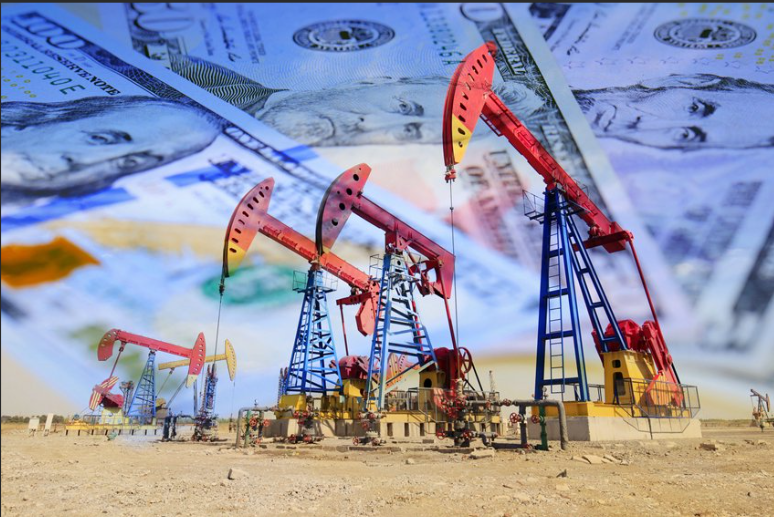
While investors were traditionally waiting for a calm earnings season and moderate volatility, the market decided to play by the old script — where the most interesting things happen off the charts. Geopolitics is speaking again, oil behaves like the main conductor, and in Washington a new philosophy of monetary policy is forming. In such moments it becomes especially clear: the market is not an Excel spreadsheet, but rather a nervous system that reacts faster than analysts can revise forecasts.
The oil story is unfolding like a classic thriller. The Strait of Hormuz, through which a significant share of global supply passes, is once again turning from a geographic point into a risk factor. The ceasefire between the US and Iran remains fragile, and the market feels it instinctively. Brent above $95 is no longer just a number, but a signal that participants are pricing in a deterioration scenario. If diplomacy fails, the $100 level will stop being a hypothesis and become a new reality within just a few trading sessions.
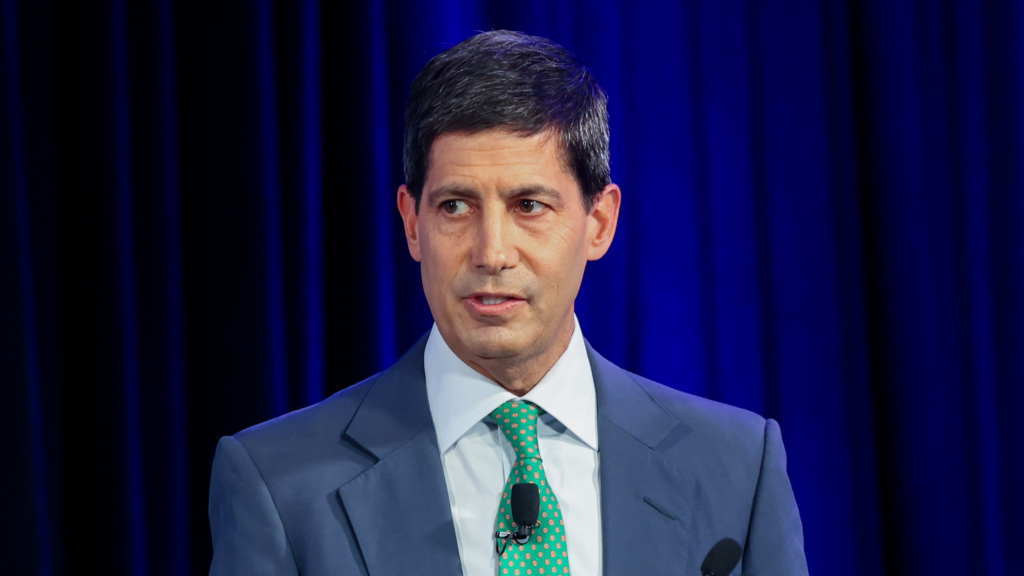
But oil is only half of the equation. The second half is the reaction of central banks, and above all the Federal Reserve. Amid inflation risks, a figure reappears in the agenda who could change the tone of the entire policy. Kevin Warsh looks like a candidate capable of bringing toughness back into a system that in recent years has balanced between supporting markets and fighting inflation. His rhetoric already makes it clear: the era when markets could rely on a quick “lifeline” may be ending. This does not mean support disappears entirely, but it becomes more selective and possibly delayed — and markets do not like waiting.
Against this backdrop, corporate stories are treated as separate episodes in a larger series. Tesla is once again in focus, and the upcoming earnings report is not just numbers, but a test of belief in the narrative. Elon Musk knows how to sell the future, but the market increasingly asks a simple question: where is the money today. The stock is hovering around key technical levels, and the classic rule applies — the lower the expectations, the higher the chance of a sharp move upward on any positive surprise. But if the report is weak, investors’ patience may run out faster than another robotaxi presentation.
At the same time, a less visible but equally important process is unfolding. Marvell Technology is hitting new highs amid rumors of cooperation with Alphabet Inc., showing how hungry the market is for AI and data infrastructure stories. Meanwhile, AST SpaceMobile reminds us that technological progress is not only growth, but also risk. One failed launch, and valuation is instantly rewritten downward. It is an old truth, but the market regularly needs such reminders.
It is also worth noting the behavior of small caps via the Russell 2000 index. Its growth amid instability in large-cap names looks like a quiet capital rotation. Money is not leaving the market — it is simply searching for new niches where risk and potential have a more attractive balance. This is not panic, it is redistribution.
In the end, the picture is quite tense. On one side — expensive oil and the risk of accelerating inflation. On another — possible tightening of Federal Reserve policy. On a third — technological hopes that still keep sentiment afloat. The market is stretched like a string, and any event can become the trigger.
In such conditions, the idea of an aggressive all-in approach looks more like a bet on luck than on strategy. It is far more logical to look toward resilient businesses that can generate profits in any phase of the cycle. The banking sector, for example JPMorgan Chase, traditionally performs better in periods of high rates and volatility. It is not a guarantee of calm, but at least a clear model.
The main question now is not where the market goes tomorrow, but whether you are ready for a scenario where oil stabilizes above $100 and cheap money finally becomes a thing of the past. Because such periods are not about quick trades, but about capital survival and a cold head.
All content provided on this website (https://wildinwest.com/) -including attachments, links, or referenced materials — is for informative and entertainment purposes only and should not be considered as financial advice. Third-party materials remain the property of their respective owners.