

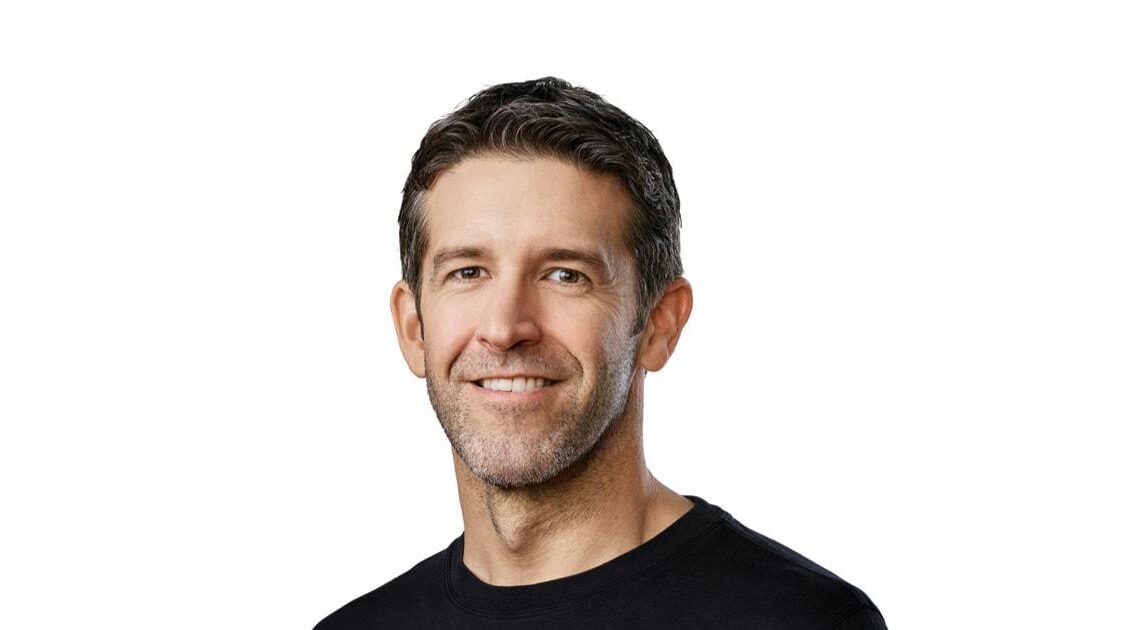
The news that Tim Cook is stepping down as CEO of Apple Inc. and handing leadership to John Ternus does not look like a sharp turn, but rather a carefully engineered maneuver. In Cupertino, surprises are not welcomed — even revolutions are expected to run on schedule. From September 1, 2026, Ternus becomes CEO, while Cook moves into the role of executive chairman. Formally, it is a change of titles. In reality, it is a shift in the internal priorities of the entire ecosystem.
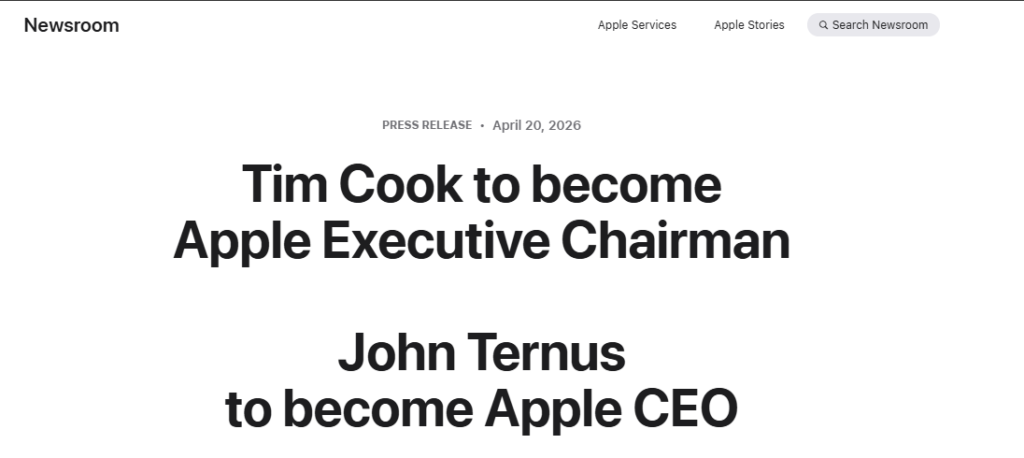
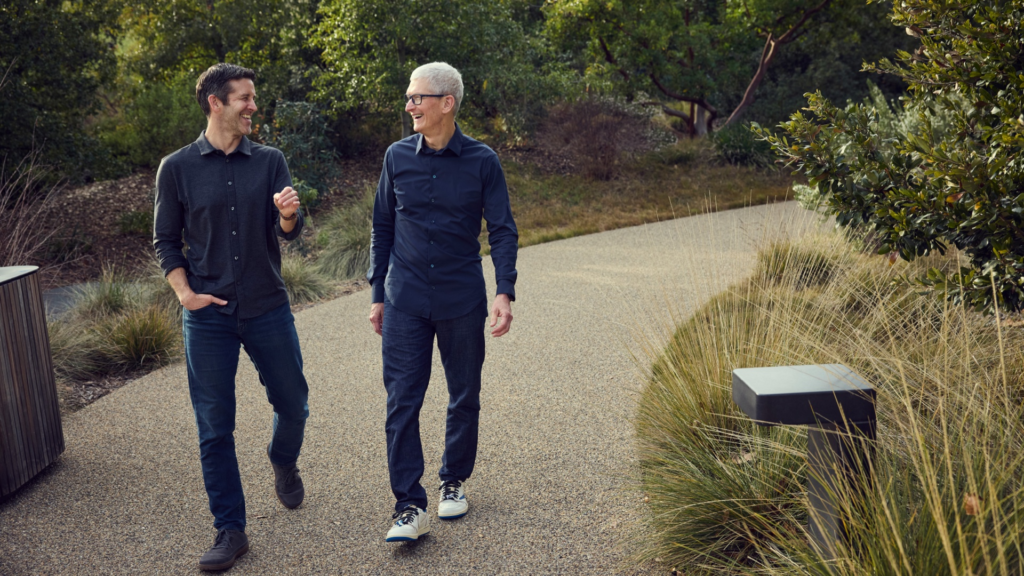
Ternus is not an outside rescue hire. He is a product of Apple’s internal system. He joined the company in 2001, when the iPod was only beginning to reshape the music industry and the word “smartphone” was not yet a daily necessity. A graduate of the engineering program at the University of Pennsylvania, he has always focused on what Apple treats as almost sacred — the product itself. Not strategy slides, but what ultimately ends up in a user’s hands or on their desk.
His career path is a textbook example of how Apple develops leadership internally. From engineer to Senior Vice President of Hardware Engineering in 2021, reporting directly to Cook. Over the years, he has been involved in nearly every major product line — from iPhone to Mac, from Apple Watch to AirPods. He was not the public face of Apple like Cook, but he helped shape what the next iPhone would look like, how thin the MacBook would become, and how much “magic” would remain in the user experience.
A notable detail is his connection to the Steve Jobs era. Ternus worked at Apple during Jobs’ leadership, absorbing the philosophy where product matters more than presentation and details matter more than marketing. Apple often says design is not how something looks, but how it works. Ternus is one of those who does not just repeat that idea, but implements it.
Under his leadership, Apple has not just updated product lines but gradually shifted the boundaries of what is possible. In recent years, this has become more visible: thinner devices, new materials, a focus on durability and sustainability. Recycled aluminum became standard, while experiments with titanium bodies and 3D printing moved from labs into production. This is not the kind of innovation that makes noise, but it builds long-term advantage.
Looking at Apple’s product roadmap, Ternus clearly favors evolution over chaotic breakthroughs. iPhone, MacBook, Apple Watch, AirPods, and Apple Vision Pro evolve not in jumps, but like a finely tuned mechanism — gradually, but consistently. This is an engineer’s style: remove excess, strengthen weaknesses, and make technology invisible to the user.
The most interesting part, however, lies in the future. Ternus has already outlined his vision: spatial computing is not an experiment, but the next logical stage. The boundary between digital and physical reality is expected to gradually fade. Where screens once acted as windows into digital space, reality itself becomes the interface.
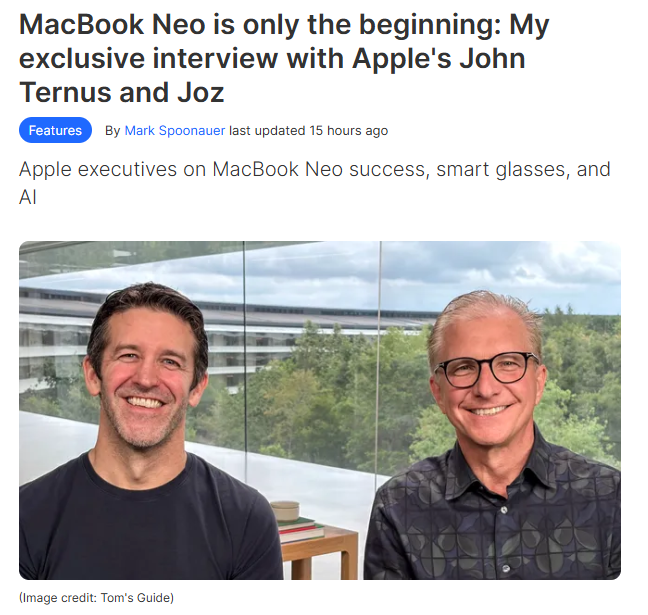
In this context, Apple Vision Pro is not just a high-end device for enthusiasts, but a foundation for the next decade. Apple rarely rushes, but when it enters a new category, it plays a long game. Ternus has described it clearly: this is a marathon.
This also explains his approach to artificial intelligence. While competitors race to embed chatbots into every interface layer, Apple focuses on integrating AI deeply into the fabric of its products — quietly, but fundamentally.
This raises the key question. Under Tim Cook, Apple became a machine optimized for services revenue. App Store, iCloud, subscriptions — all of this transformed Apple from a hardware company into a recurring revenue ecosystem. Ternus, however, is a “hardware-first” leader. His logic is product-driven, not subscription-driven. Does this mean the pendulum will swing back?
Most likely not in a literal sense. Apple will not abandon services — they are too profitable. But the balance may shift. If under Cook services became the second growth engine, under Ternus devices may once again become the primary source of innovation, with services supporting them rather than leading them. The broader context is not simple. 2025 has been a turbulent year for Apple: leadership departures, internal restructuring, and strategic questions around artificial intelligence. The company that once defined industry trends has, in some areas, found itself catching up. This is perhaps Ternus’ biggest challenge.
Because today’s competition is not only about devices, but about intelligence inside them. Smart assistants, generative AI, new interfaces — all of this requires not just hardware, but strong software foundations, an area where other players have traditionally been more aggressive.
Can an engineer who spent decades perfecting hardware build a strategy in a world where code increasingly dominates physical design? The answer remains open. But Apple’s history suggests a pattern: the company rarely wins by being first — it wins by making things better and more usable.
And perhaps this is exactly the bet on Ternus. Not to catch up and overtake at any cost, but to once again rebuild the user experience in such a way that competitors look like they are the ones catching up. Apple likes long games. And the new CEO – is a person who knows how to play exactly such games.
All content provided on this website (https://wildinwest.com/) -including attachments, links, or referenced materials — is for informative and entertainment purposes only and should not be considered as financial advice. Third-party materials remain the property of their respective owners.