
CryptocurrencyDisruptive technologyNews

A data center in your home – and it even pays for your electricity

Join our Trading Community on Telegram

While the world’s largest tech corporations are spending tens of billions of dollars building massive AI data centers, the US is testing a solution that would have sounded like science fiction just a few years ago. SPAN, with support from Nvidia, has begun trials of XFRA – a distributed network of mini data centers installed directly inside residential homes and small commercial buildings.

Instead of building another giant facility in the desert, the company proposes using existing residential power infrastructure. In essence, every home can become a small node in a global AI computing network.

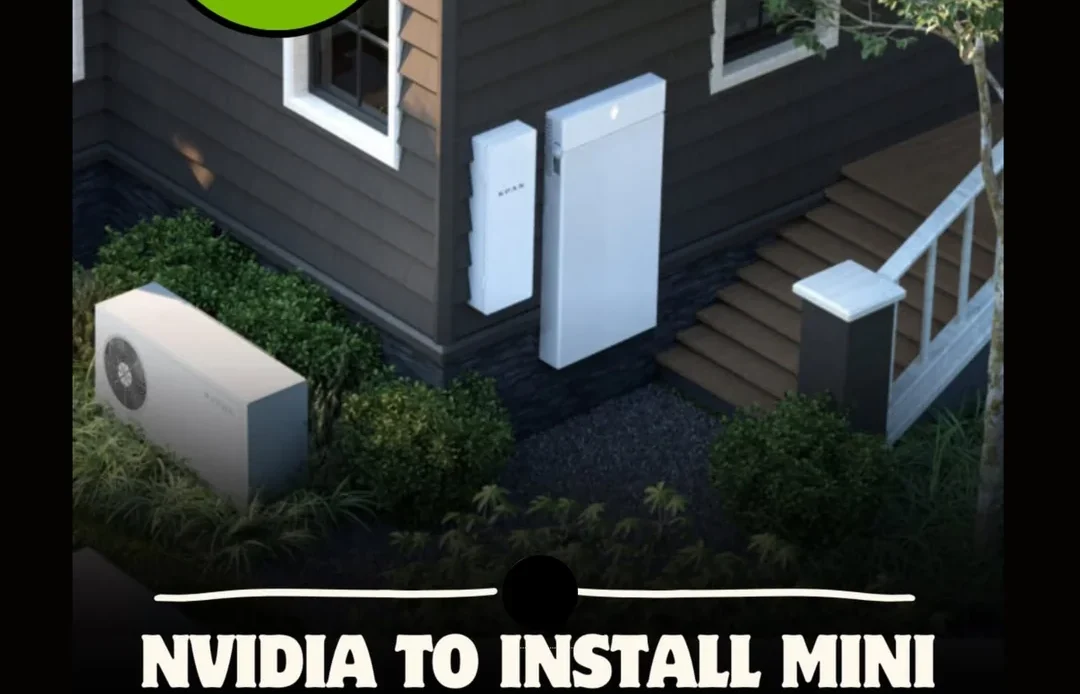
At first glance, the setup looks like a large air conditioner or an industrial cabinet. But inside is serious hardware. Early XFRA units will be equipped with NVIDIA RTX PRO 6000 Blackwell Server Edition GPUs – among the most powerful accelerators for AI and inference workloads.

In effect, this is a compact enterprise-grade data center placed right next to a residential home.

The most interesting part is the economics. For homeowners, participation looks surprisingly attractive. SPAN offers installation of its own smart electrical panel, a battery backup system, and optional solar panels. In return, the company gains access to part of the home’s available electrical capacity for computation.

Participants receive high-speed internet and a fixed electricity cost of around $150 per month. If usage exceeds that level, SPAN covers the difference. According to the company, average savings for homeowners could reach about $180 per month.

This naturally raises a question: why would a company pay people’s electricity bills? The answer lies in one of the biggest bottlenecks in the AI industry – energy shortages.

Today, data centers already consume enormous amounts of electricity. According to SPAN, US data centers used around 183 terawatt-hours in 2024, over 4% of total US electricity consumption. By 2030, this share could exceed 9%. Building new power plants and connecting large data centers often takes years or even decades, and many projects are already facing long grid interconnection queues.

This is where XFRA comes in. Instead of waiting for new power infrastructure, the idea is to tap into unused capacity across millions of homes. Most residential electrical systems are only partially utilized most of the time. That unused headroom can be redirected toward AI workloads.

According to SPAN CEO Arch Rao, the company is trying to close the “speed gap between AI development and energy infrastructure expansion.” This is especially important for inference workloads – running already trained AI models. By the end of the decade, inference is expected to account for more than half of all AI compute demand.

For Nvidia, the concept is also compelling. Modern AI models require not only massive compute power but also low latency. The closer compute resources are to users, the faster services run. A distributed network of thousands of small data centers could therefore complement traditional hyperscale facilities.

Nvidia has stated that AI compute demand is growing so quickly that the industry needs entirely new approaches to infrastructure deployment. XFRA is seen as one way to scale capacity much faster than traditional data center construction allows.

Interestingly, the system is not limited to AI. In the future, such distributed nodes could also support cloud gaming, data processing, streaming services, and other compute-intensive applications.

However, there are limitations. Crypto enthusiasts have already joked about it being a perfect home mining rig. Developers quickly shut that idea down – SPAN’s control system prevents owners from using compute resources for anything other than approved workloads. In short, you won’t be mining Bitcoin on it.

For the energy sector, the project is also significant. Utilities could better utilize existing grid infrastructure without immediately investing billions in new transmission and substation capacity. SPAN believes distributed compute could become as important to future energy systems as solar panels or home batteries.

Initial XFRA deployments are expected to begin soon. SPAN is working with major US homebuilder PulteGroup and aims to scale to multi-gigawatt capacity by 2027. If successful, the project could redefine what a data center even is. Instead of a few massive hubs, AI infrastructure could be spread across thousands of ordinary homes.

Paradoxically, in the era of super-powerful AI, your home itself could become part of the global compute network. And for the first time in history, a data center would not only consume electricity – but also help pay for it.

0
0
Disclaimer

All content provided on this website (https://wildinwest.com/) -including attachments, links, or referenced materials — is for informative and entertainment purposes only and should not be considered as financial advice. Third-party materials remain the property of their respective owners.

Leave a Reply

Your email address will not be published. Required fields are marked *

Related posts
Disruptive technologyNewsStock brokersStock research & analytics

What is moving markets today

The new week on Wall Street is starting at all-time highs, but it is far from calm. Investors are…
Read more
Disruptive technologyNewsStock research & analytics

NVIDIA and the MacBook challenge

NVIDIA presented RTX Spark – “the most efficient PC chip in history” NVIDIA officially…
Read more
Disruptive technologyNewsStock research & analytics

Google and 32 million mosquitoes

The United States is discussing one of the most unusual biotech projects in recent years. Through…
Read more
Telegram
Subscribe to our Telegram channel

To stay up-to-date with the latest news from the financial world

Subscribe now!