


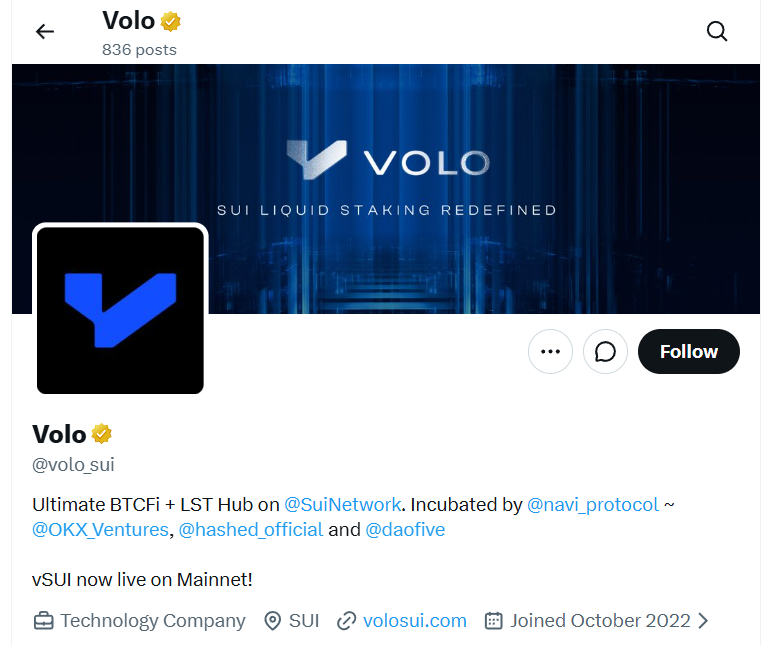
Another incident in the decentralized finance sector has once again highlighted the vulnerability of DeFi infrastructure. Volo Protocol suffered a hacking attack, resulting in approximately $3.5 million being drained in various assets, including WBTC, XAUm, and USDC.
The project team quickly confirmed the exploit and released an official statement emphasizing that it takes full responsibility for the incident and intends to compensate affected users from its own funds. This is an important signal for the market: despite the scale of the attack, the project is attempting to maintain user trust through direct reimbursement of losses.
Immediately after detecting the exploit, developers notified the Sui Foundation and ecosystem partners to contain the damage as quickly as possible. As part of the emergency response, vulnerable vaults were frozen, and related assets worth around $500,000 were blocked to prevent further outflows.
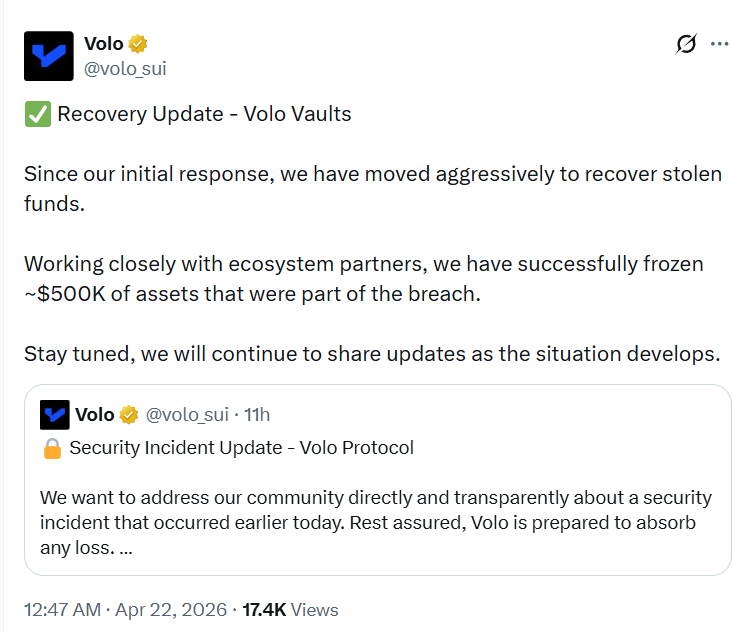
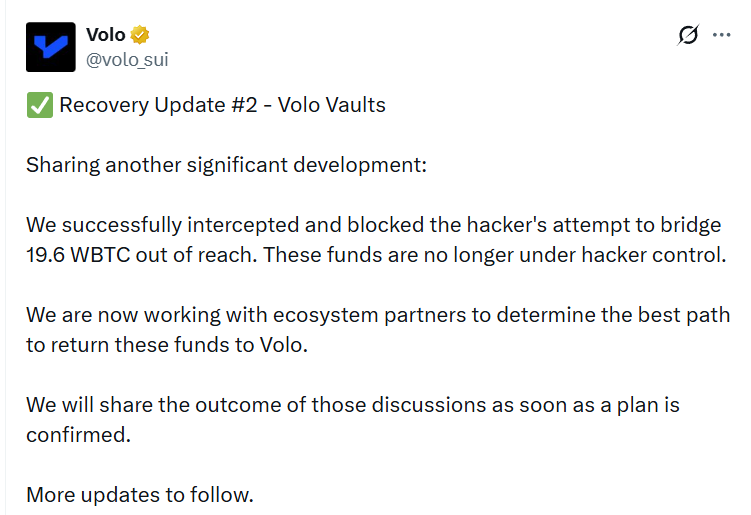
In addition, the team managed to prevent the withdrawal of 19.6 WBTC, significantly limiting the overall losses. According to project representatives, the attack was localized and affected only specific components of the system rather than the entire protocol infrastructure.
In its official communication, Volo clarified that only three vaults were impacted. The rest of the protocol, including approximately $28 million in total value locked (TVL), remains untouched and continues to operate normally. Developers also emphasize that no shared vulnerability or single attack vector was identified in the remaining modules.
Meanwhile, the team has entered damage-control mode. Collaboration with on-chain analysts and security experts is ongoing to track fund movements and potentially recover assets. A full post-mortem with a technical breakdown of the exploit and explanation of the vulnerability will be published once the investigation is completed.
The project’s stance on compensation is also notable. Volo stated that it is prepared to fully absorb the losses without passing them on to users. In the DeFi sector, this is an important reputational signal, as such commitments are not always fulfilled in practice.
The Volo incident comes amid a worsening overall situation in DeFi. According to Memento Research analysts, April has become one of the most damaging months in terms of losses. Particularly high-profile were the exploits of Drift Protocol and KelpDAO, with combined losses approaching $600 million.
Experts note that the current trend points not to isolated incidents but to a systemic security problem in DeFi. Increasing protocol complexity, cross-chain integrations, and growing liquidity simultaneously expand the attack surface, making the ecosystem more vulnerable to sophisticated exploits.
Thus, the Volo Protocol hack becomes part of a broader trend where decentralized finance security is once again moving to the forefront. The market is gradually shifting from a growth phase to a phase of heightened protection, where trust in protocols is determined not only by yield but also by resilience in the face of crises without user fund losses.
All content provided on this website (https://wildinwest.com/) -including attachments, links, or referenced materials — is for informative and entertainment purposes only and should not be considered as financial advice. Third-party materials remain the property of their respective owners.