

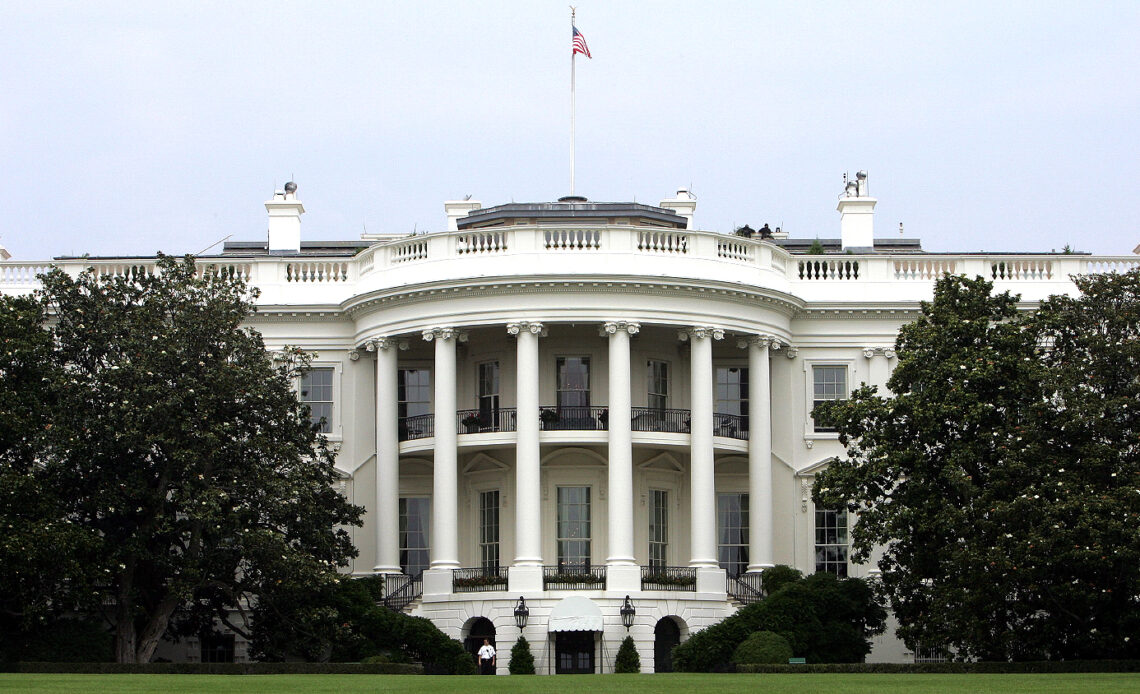
The news in this form sounds impressive, but there are serious problems with the facts here. Let’s start with the main point: under current US law, the president cannot simply “replace” the Chair of the Federal Reserve System based on political desire. Jerome Powell is appointed for a fixed term, and his dismissal is possible only with substantial legal grounds.
First of all, it is important to understand the architecture of the Federal Reserve System. This is not an agency that can be “restarted” by a political decision in one day. The independence of the Fed is a key principle on which trust in the dollar and the entire financial system is built. That is why the Chair, currently Jerome Powell, is appointed for a fixed term and is protected from political pressure much more strongly than most officials.
Reports about an alleged criminal investigation against Powell and its termination are not confirmed by reliable sources. Without this, the entire logic of “unlocking the appointment” collapses. Even if we hypothetically imagine a conflict between the administration and the Fed Chair, the scenario “criminal case – closed – new appointment” looks more like a political thriller than a real procedure. In US history, attempts to pressure the Fed have occurred, including under Donald Trump, but they ended with statements in the press, not кадровыми revolutions.
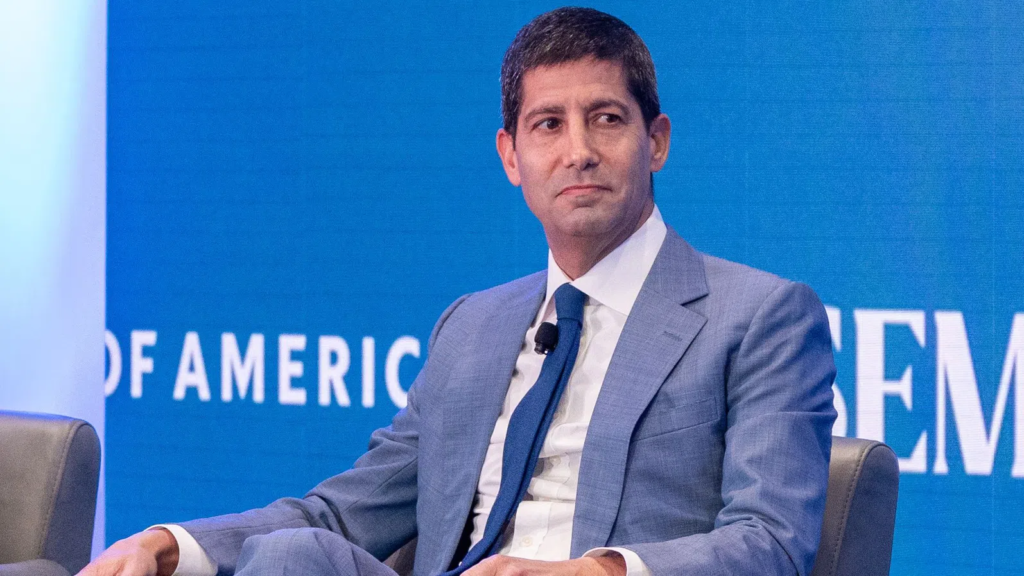
Kevin Warsh
Now about the candidates. Kevin Warsh is indeed a systemic figure: a former member of the Fed Board of Governors, a person with clear views on monetary policy. But even his hypothetical appointment is a lengthy process involving the Senate, discussions, and political bargaining. This is not a “appoint” button, but rather an obstacle marathon.
Figures such as David Zervos, Larry Lindsey, or Rick Rieder represent a different level of the story. These are people with weight in the market, but the appearance of their names in the media more often reflects the mood and interests of certain groups than real кадровые decisions. Financial media love such lists – they create a sense of movement even if nothing actually happens.
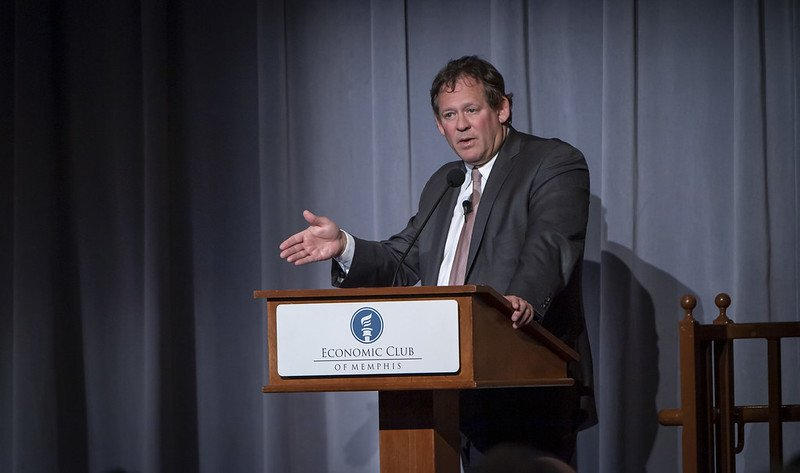
Rick Rieder
There is another important point that is often overlooked. Any real threat to the Fed’s independence would trigger an immediate and rather sharp reaction from the markets: rising bond yields, pressure on the US dollar, volatility in equities. Because investors perceive the Fed as an anchor of stability. If this anchor starts to “drift”, money quickly looks for a safer harbor.
It is also worth mentioning the rhetoric like “they will appoint convenient people”. In politics, an element of loyalty certainly exists. But in the case of the Fed, there are limits: too obvious politicization immediately hits market confidence, and therefore the economy as a whole. And this is no longer a matter of ideology, but a matter of borrowing costs, inflation, and exchange rates.
In the final analysis, the picture looks like this: loud news, many names, a sense of urgency – and at the same time a minimum of confirmed facts. For an investor, this is a classic situation where it is important not to succumb to the effect of “something urgent is happening”.
The rational position here is quite boring, but effective: look not at rumors, but at rate decisions, Fed rhetoric, and macro data. Everything else is background noise that is loud today and forgotten tomorrow.
All content provided on this website (https://wildinwest.com/) -including attachments, links, or referenced materials — is for informative and entertainment purposes only and should not be considered as financial advice. Third-party materials remain the property of their respective owners.