

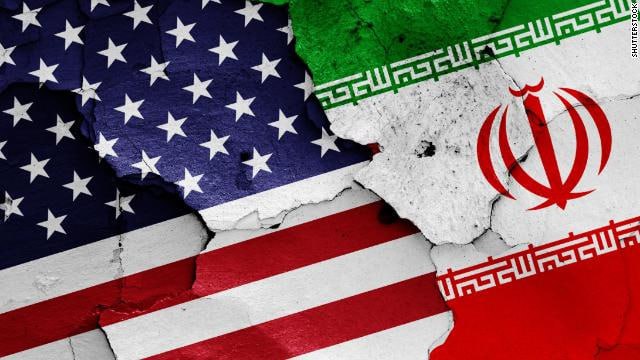
Geopolitics has once again become the main director of global financial markets. Evening statements by U.S. President Donald Trump about the possible imminent end of the military operation against Iran changed investor sentiment within just a few hours. His remark that the conflict was “essentially already over” immediately reversed the dynamics of key markets – from oil to cryptocurrencies.
The result was striking: oil prices dropped sharply, stock indices moved higher, and the crypto market received a new growth impulse. Against this backdrop, Bitcoin once again approached the $70,000 mark by the morning, although only a few days earlier investors had been preparing for a much darker scenario. Geopolitics, oil, and cryptocurrencies unexpectedly became tied into a single knot.
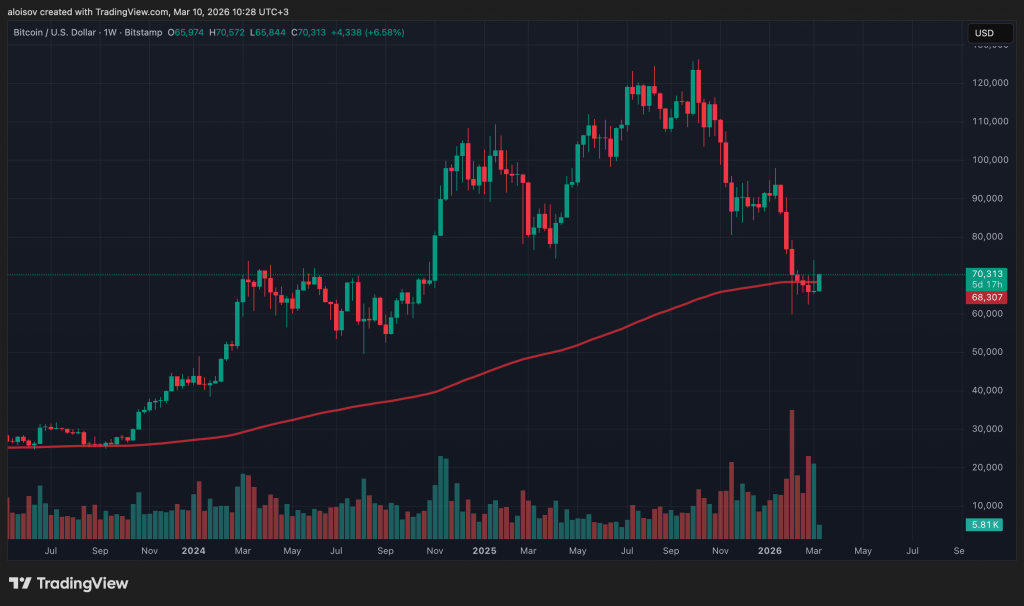
1-week chart of BTC/USD and the 200EMA. Source: Bitstamp
Record swings in the oil market
Since the beginning of the conflict in the Middle East, markets have been under constant tension. One of the key factors has been the situation around the Strait of Hormuz, a strategically important maritime corridor through which a significant portion of global oil supplies passes.
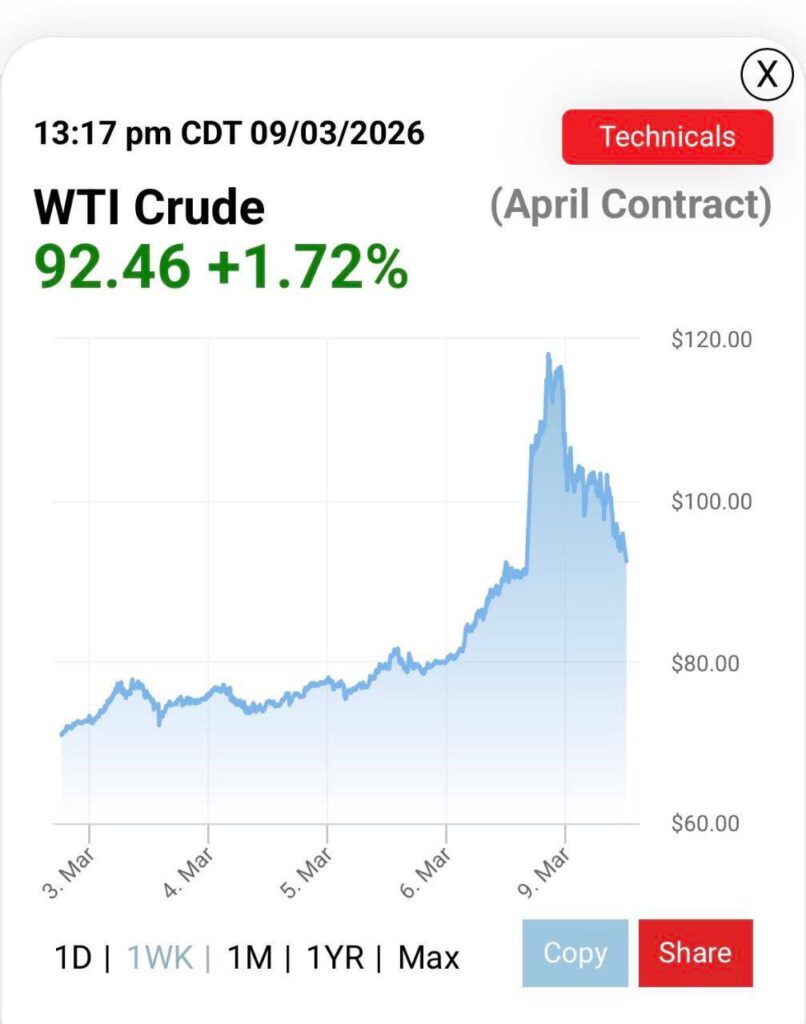
After the closure of the strait, oil prices surged sharply. Within just a few days, prices increased by about 31%, rising from $91 to $119 per barrel. This caused serious concern in global markets, as such a rapid increase in energy prices directly heightens inflation risks and threatens economic growth.
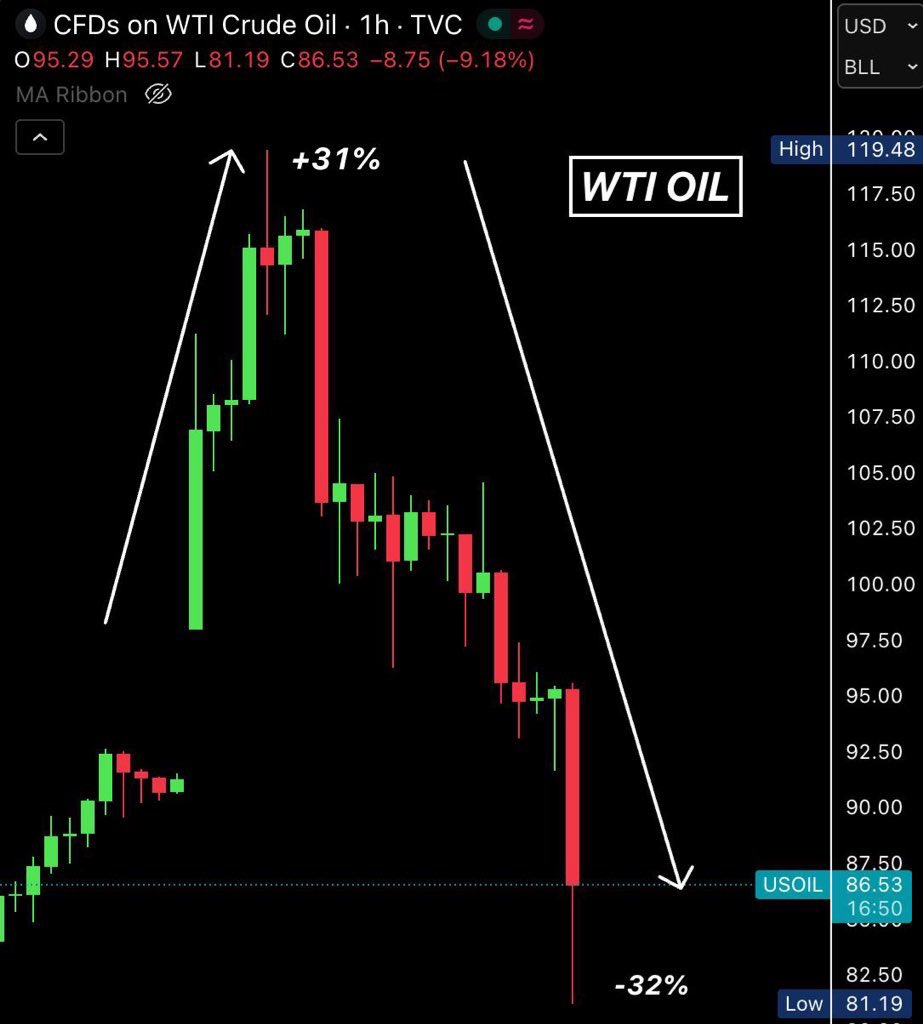
1-hour chart of WTI Crude Oil. Source: Ash Crypto
However, on March 9 the situation reversed almost as quickly as it had developed. Oil prices collapsed by around 32% in just 19 hours, falling to approximately $81 per barrel. Such volatility is extremely rare for the oil market. Normally, moves of this magnitude take weeks or months to develop rather than occurring within a single trading day.
Two factors that flipped the market
The sharp decline in prices was the result of two events that occurred almost simultaneously.
First, the G7 countries announced the release of around 400 million barrels of oil from strategic reserves. This measure is traditionally used during global energy crises to quickly increase supply and stabilize prices.
Second, Donald Trump stated that the military operation against Iran was effectively coming to an end.
In a phone interview with CBS News, the U.S. president said: “Look – they have nothing left. Militarily – nothing.” According to him, U.S. forces struck more than 3,000 Iranian targets during the first week of the operation. Such rhetoric created the impression that the conflict could end sooner than analysts had expected.
Markets reacted instantly. When the probability of escalation declines, investors tend to return to risk assets. This triggered a rapid rise in stock indices and cryptocurrencies.
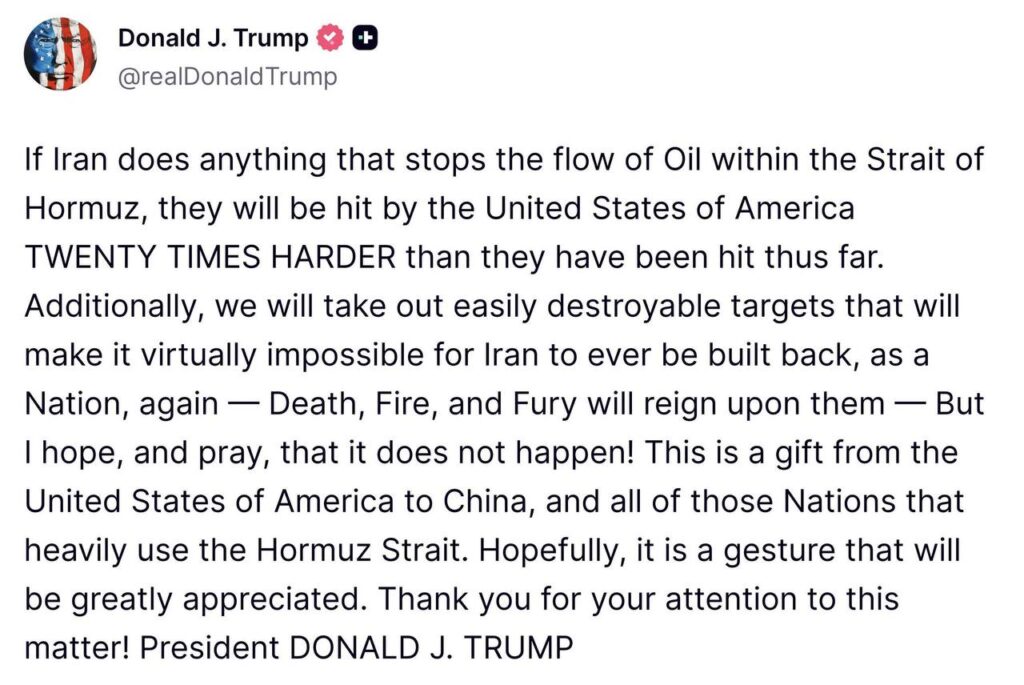
However, the calm did not last long. The following day Trump hardened his rhetoric again. On the social network Truth Social he warned that if Iran attempted to block the Strait of Hormuz, the United States would strike “twenty times harder.” The president also stated that the U.S. could destroy facilities after which Iran “would effectively be unable to recover as a state.”
Later, during a meeting with Republican Party donors in Florida, Trump clarified that the operation was still ongoing: “We have already won in many ways, but not enough. We are moving forward with even greater determination.” This shift in tone again increased market nervousness.
Iran’s position
Iranian authorities categorically rejected claims of defeat. Representatives of the Islamic Revolutionary Guard Corps called the statements of the U.S. president “nonsense” and stressed that Tehran would decide when and under what conditions the conflict would end.
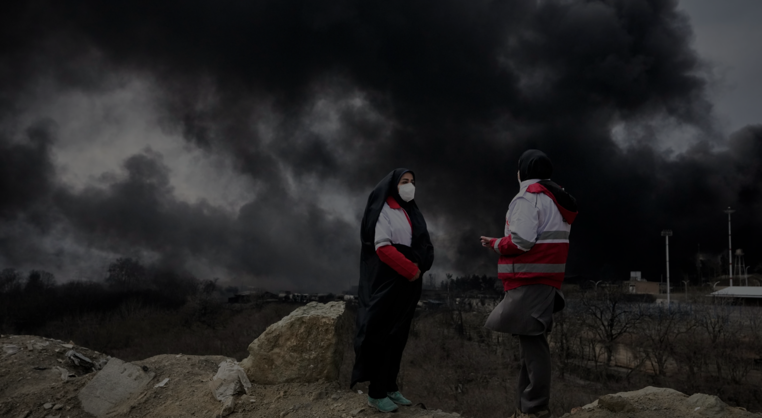
Additional tension is being created by the situation around the Strait of Hormuz. Iran has stated that it is prepared to allow ships to pass only from countries that expel the ambassadors of the United States and Israel. This diplomatic ultimatum effectively turns the maritime corridor into a geopolitical pressure tool. In response, the United States threatened additional military strikes.
At the same time, another potential factor is being discussed that could influence the global energy market. According to diplomatic sources, the U.S. is considering partially easing sanctions on Russian oil exports.
From a macroeconomic perspective such a move appears logical: cheaper oil reduces inflationary pressure and supports economic growth. Politically, however, the decision remains highly controversial.
How the crypto market reacted
Against this backdrop, cryptocurrencies showed notable resilience. Bitcoin recovered and once again reached the level of around $70,000. Over the past 24 hours the total crypto market gained more than 3%.
However, investor sentiment remains cautious. Market sentiment indices still indicate a dominance of fear. Many participants worry that another escalation could trigger a sharp decline again. Liquidations in futures markets remained relatively moderate. This suggests that the market was not excessively overloaded with leverage, which helped prevent cascading sell-offs.
Why oil strongly influences cryptocurrencies
At first glance, the connection between oil prices and the crypto market may seem unclear. In reality, however, the relationship is fairly straightforward. Rising oil prices increase inflation and force central banks to maintain higher interest rates for longer. High rates make risky assets less attractive. When oil prices fall, inflation expectations weaken. Markets begin to price in the possibility of a more accommodative monetary policy. Under such conditions capital tends to return more quickly to equities, technology stocks, and cryptocurrencies.
Can Trump’s statements be trusted
The main challenge for investors is the unpredictability of political rhetoric. Statements by Donald Trump often create sharp market movements but are not always accompanied by real developments on the ground.
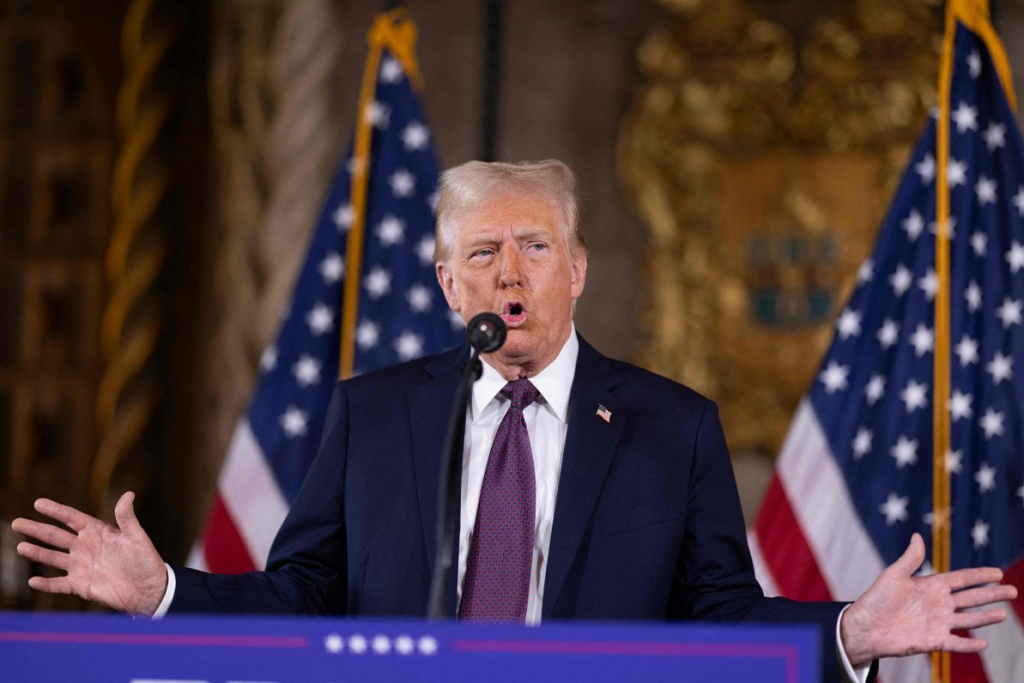
Over the past few years a recognizable pattern has emerged: a loud statement – market panic – partial softening of the position – price recovery. This cyclical pattern makes political rhetoric a powerful tool for influencing markets and negotiations.
Historical analysis shows that daily oil price swings of more than 30% are extremely rare. Over the past fifty years such movements have occurred only twice: during the Oil Crisis 1973 and at the beginning of the COVID-19 pandemic in 2020.
The current situation falls into the same historical category but with an important difference. In earlier cases the swings were caused by large-scale economic shocks. This time the collapse was largely driven by political statements and coordinated actions involving strategic reserves.
Bitcoin’s evolving status
The behavior of the cryptocurrency market deserves particular attention. Despite the military conflict and extreme volatility in commodity markets, Bitcoin demonstrated resilience and quickly returned to growth.
This is gradually changing the perception of the leading cryptocurrency. While Bitcoin was previously viewed primarily as a speculative asset, it is increasingly being discussed as an alternative protective instrument – a kind of digital “safe haven.” Of course, it is still far from achieving the status of gold. However, each episode like this gradually strengthens its position within the global financial system.
What comes next
For now, the positions of the parties remain firm. Iran rejects statements that the war is ending and continues to demonstrate readiness for confrontation. The United States, meanwhile, alternates between signals of a possible end to the operation and threats of major strikes.
For markets this means one thing: volatility is unlikely to disappear. Every new political statement can instantly change the direction of oil, stock, and cryptocurrency prices. Investors therefore have little choice but to closely follow the news – and remember an old market rule: sometimes a single political interview can move prices more than an entire quarterly report from the world’s largest corporation.
If the past few days have taught traders anything, it is a simple lesson: in modern markets geopolitics can move charts faster than algorithms. And that means investors should not expect a calm ride anytime soon.
All content provided on this website (https://wildinwest.com/) -including attachments, links, or referenced materials — is for informative and entertainment purposes only and should not be considered as financial advice. Third-party materials remain the property of their respective owners.