

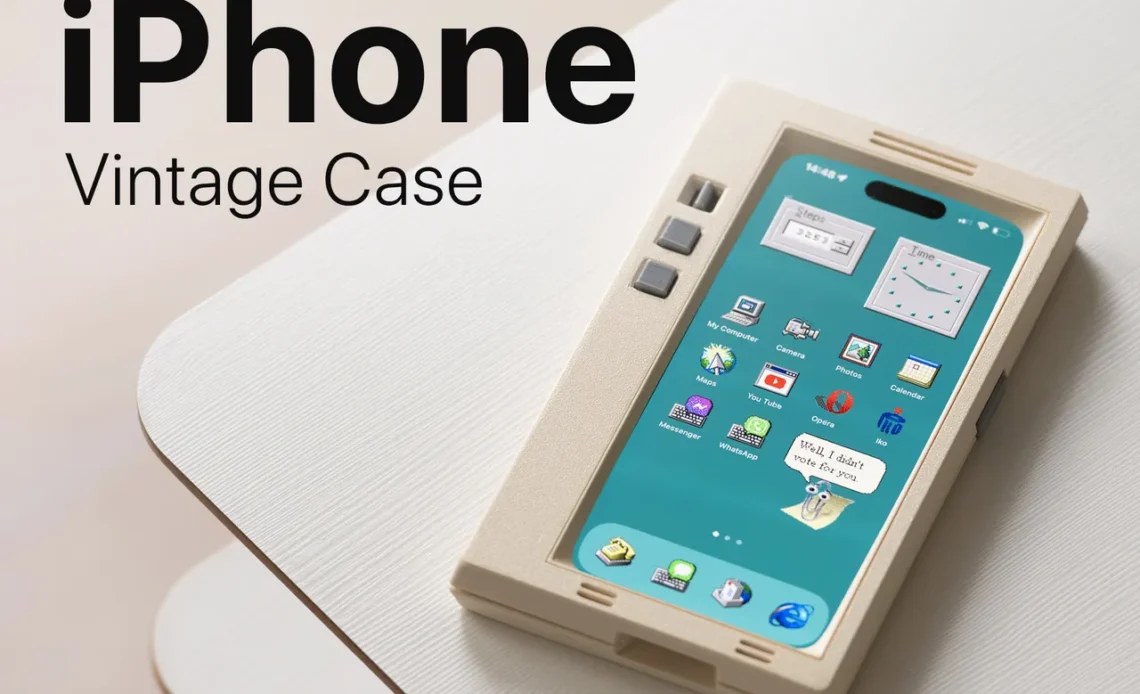
In 2026, the market presents an interesting situation. On one hand, vintage tech is back in style — old iPhones are seen as retro accessories, much like vinyl records in the streaming era. On the other hand, experts warn that turning nostalgia into your primary communication tool is questionable. A phone should function, not collect problems.
The main reason for caution is straightforward: software support eventually ends. Along with it disappear security updates, compatibility with new apps, and data protection. In 2026, this is no longer a theoretical risk but a practical issue. The device may still work, but it becomes increasingly vulnerable to modern hacking methods and malware.
There is also a less obvious aspect. Even if the smartphone looks fine externally, its lifecycle is effectively over. This means any breakdown turns into a complicated search: spare parts are either rare, discontinued, or available only in limited supply at service centers. The older the model, the closer the point where repairs become economically pointless.
BGR published a list of devices already classified by Apple as “vintage.” This is not a marketing term but an official technical category that directly affects support and repairability.
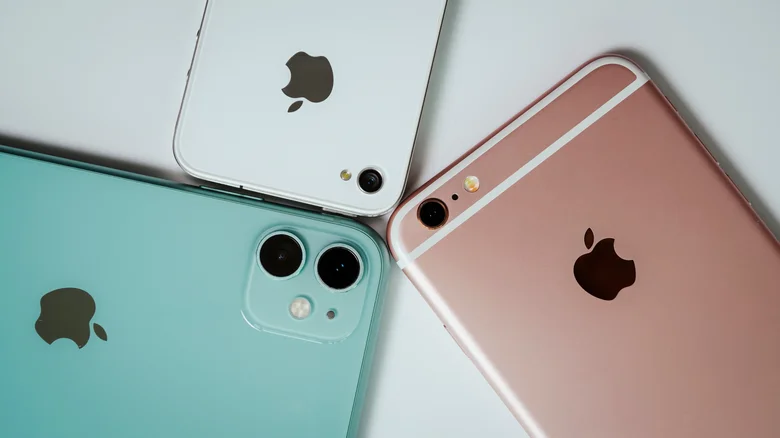
Which iPhones are considered vintage
According to Apple, the following models are classified as vintage:
- iPhone 6s (16GB, 64GB, 128GB)
- iPhone 6s Plus
- iPhone 7
- iPhone 7 Plus
- iPhone 7 (PRODUCT)RED
- iPhone 8 (64GB, 128GB, 256GB)
- iPhone 8 Plus (64GB, 128GB, 256GB)
- iPhone X
- iPhone XS
- iPhone XS Max
- iPhone 11 Pro
- iPhone 11 Pro Max
These are generations that were once considered modern but are now at the edge of technological obsolescence.
What Apple means by “vintage”
Apple defines a product as “vintage” when it has been discontinued for sale for more than five but less than seven years. In simple terms, it is hardware that has disappeared from official shelves but is not yet fully out of the support system.
After seven years, the device is considered “obsolete.” At that point, Apple essentially stops providing hardware support.
Vintage devices can still be repaired, but with limitations. Availability of parts depends on individual service centers, making repairs less predictable and more dependent on stock.

Why vintage iPhones become a problem
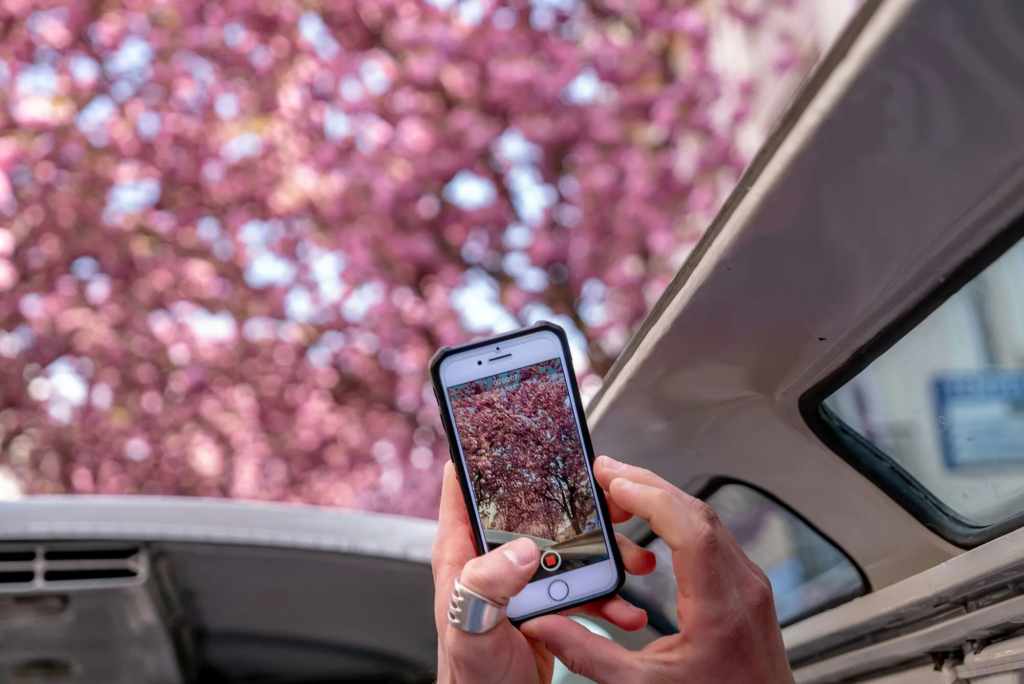
At first glance, an old iPhone may seem perfectly usable. It turns on, makes calls, and runs familiar apps. But this is only surface stability.
First, compatibility with new app versions gradually disappears. Banking apps, messengers, and two-factor authentication systems may stop working properly on older iOS versions.
Second, security. Even if Apple occasionally releases critical patches for older systems, this is not full protection but rather emergency patching of specific vulnerabilities.
Third, repairability. Any serious damage — drops, hardware failure, battery degradation — can make repairs impossible or economically unjustified.
Hidden cost of a “cheap” device
At first glance, buying a vintage iPhone may look like a good deal: lower price, familiar design, known functionality. But the total cost of ownership is often higher than expected.
It includes risks of sudden failure, difficulty replacing components, limited app support, and potential data security issues. As a result, initial savings often turn into extra expenses and inconvenience.
Why experts recommend upgrading
Cybersecurity and tech experts agree on one thing: upgrading a smartphone every few years is not about fashion, but about protection.
It is not necessary to always buy the latest flagship, such as the 2026 iPhone 17 Pro, but the device should remain within active software and hardware support.
Modern smartphones are no longer just phones — they are banking terminals, digital IDs, and personal data vaults. The older they become without updates, the higher the risk.
Conclusion
A vintage iPhone in 2026 is no longer a status symbol or retro aesthetic, but a device with a limited safe usage window. It may still work, but its vulnerabilities grow faster than its usefulness.
That is why experts recommend treating such models with caution: as collectibles — yes, as a primary phone — no.
All content provided on this website (https://wildinwest.com/) -including attachments, links, or referenced materials — is for informative and entertainment purposes only and should not be considered as financial advice. Third-party materials remain the property of their respective owners.