

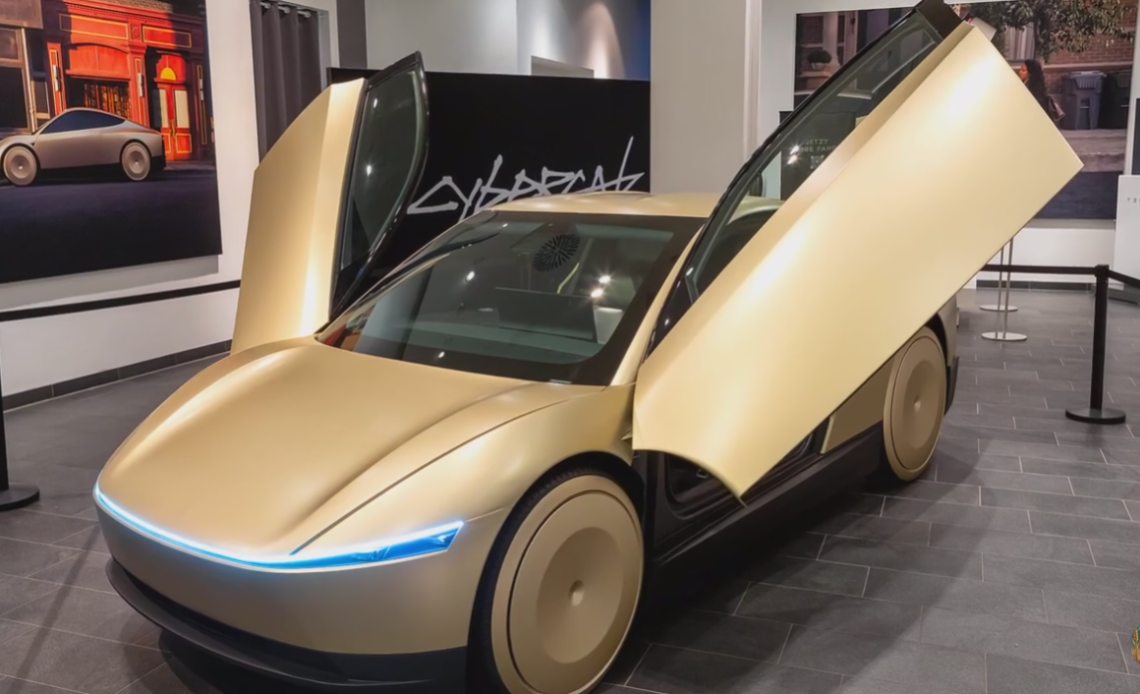
The story of Tesla’s robotaxi has finally moved from the category of “any moment now” to the stage of “let’s go, but carefully.” The company has officially launched mass production of Cybercab — a fully autonomous taxi without a steering wheel and pedals. Literally: a car in which no one pretends to be the driver. Not even for show.
Behind this step is Elon Musk’s long-standing bet on autonomous technologies. For years, he promised that cars would no longer need a human behind the wheel, and the market has grown used to treating these statements like a weather forecast on Mars — interesting, but not urgent. However, the launch of mass production changes the tone of the conversation. This is no longer a concept or a demonstration of capabilities, but an attempt to scale.
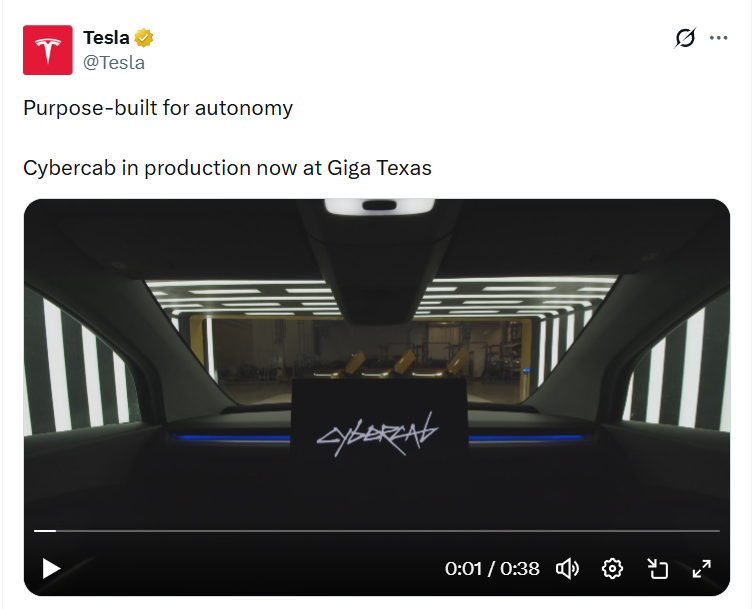
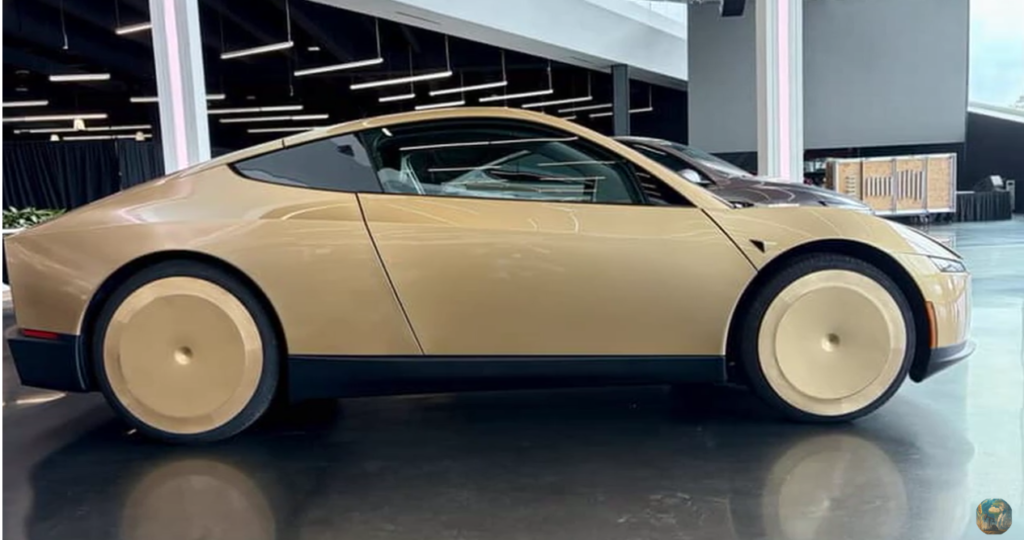
Cybercab itself is a максимально utilitarian car of the future. Without a driver’s seat, without a steering wheel, without the привычная logic of “a human controls the process.” The freed space turns into an additional seat for a passenger. In a sense, this is a symbolic moment: the car finally stops being a “personal control tool” and becomes simply a capsule for transportation.
The economics of the project look no less ambitious than the idea itself. Tesla plans to scale production up to 2 million such vehicles per year and keep the price below $30,000. If successful, the taxi market could face a powerful price shock. Remove the driver — remove the main cost item. Add scale — gain the ability to undercut prices. In theory, rides should become cheaper than today and at the same time more predictable.
But there is a nuance, and it is not technical. The main bottleneck here is not technology, but regulators. A fully autonomous car without the possibility of human intervention is no longer just transport, but a question of responsibility. Who is to blame in case of an accident? The algorithm, the manufacturer, or the person who ordered the ride? Until there is a universal answer to these questions, mass adoption will move cautiously.
Another layer is the monetization model. Tesla clearly does not intend to limit itself to selling the vehicles. It is about subscriptions for autonomous features, software updates, and possibly a share from each ride. Essentially, the company wants to turn transportation into a service with a постоянный revenue stream, rather than a one-time sale. This is already closer to the model of IT companies than traditional automakers.
At the same time, it is important to understand: the launch of production does not mean that robotaxis will fill the streets tomorrow. Rather, gradual deployment will begin — first in limited zones, then expanding geographically. The story of autonomous driving has always followed one scenario: technology appears faster than society is ready to accept it.
And yet, the very fact of mass production is a turning point. The market has long debated whether this is even possible. Now the question sounds different: how quickly it will become the norm.
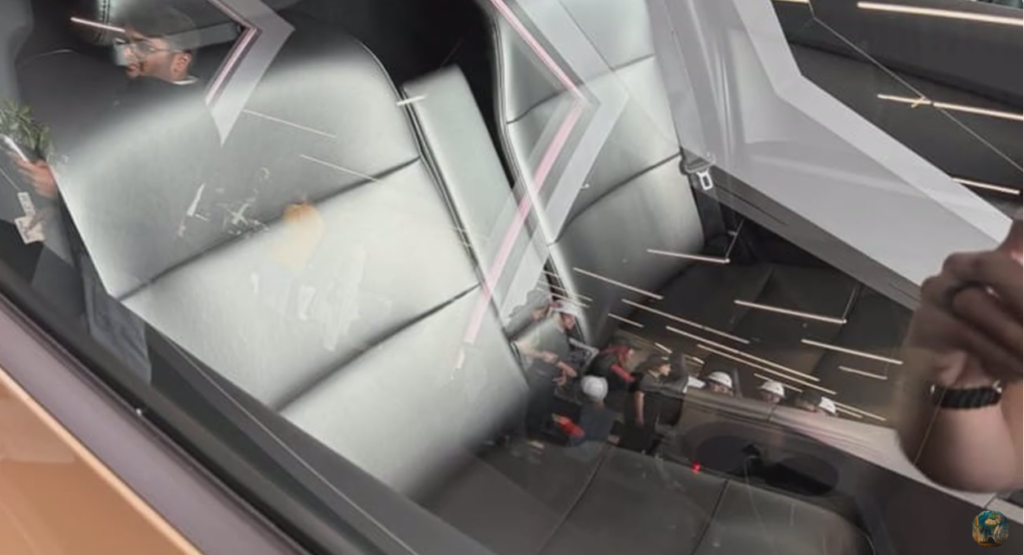
Simplified to an everyday level, the picture looks like this. Before, a car was something you drive. Then — something that helps you. Now — something that simply transports you while you do your own things. The next step is logical: you stop thinking about the car as “yours” at all.
So yes, “let’s go to work” now sounds a bit different. You are not driving — you are being driven. And it seems the driver in this story has finally been sent on vacation.
A video fragment of this “wonder-machine” can be watched in our Telegram channel.
All content provided on this website (https://wildinwest.com/) -including attachments, links, or referenced materials — is for informative and entertainment purposes only and should not be considered as financial advice. Third-party materials remain the property of their respective owners.