

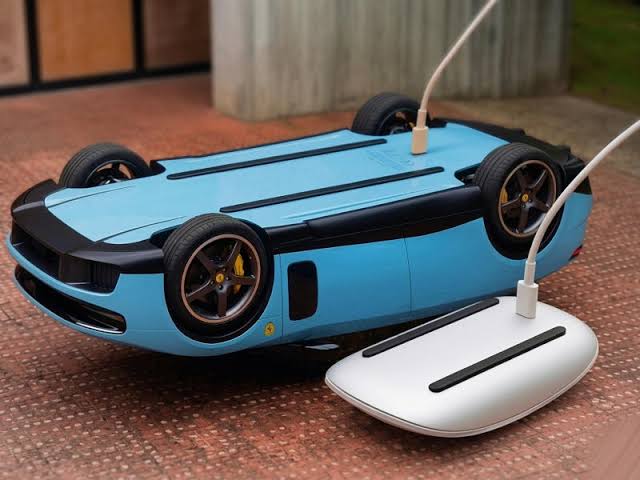
Ferrari is undergoing internal reshuffling following the unsuccessful launch of its new Luce model, introduced as the next chapter in the brand’s design evolution. According to sources, it was after the presentation of the vehicle that management decided to replace the marketing director responsible for the launch strategy.
We previously covered the release of this model and noted that the Ferrari Luce debut triggered a highly mixed reaction among both car enthusiasts and investors. The consequences of that launch have now moved from public debate into direct corporate accountability.
The main source of criticism was the radically new design, which part of the audience считает too far removed from Ferrari’s traditional aesthetic. On social media and in industry media, the car was described in harsh terms, with comparisons to mass-market urban vehicles for younger drivers, while the interior was criticized for not matching the brand’s premium positioning.
Another point of concern was Ferrari’s attempt to significantly reshape its visual language, despite being historically associated with luxury sports cars and strong engineering continuity. For many long-time customers, this was perceived as a departure from the brand DNA built over decades around status, performance, and instantly recognizable design. Market reaction added further pressure: on the day of the Luce presentation, Ferrari shares fell by more than 8%, marking one of the most notable intraday moves in recent periods.
Investors expressed concerns that the new design direction could weaken the brand’s appeal among its core clientele. It is important to note that Ferrari today is not only an automaker but also a status and collectible asset brand. A significant portion of buyers purchase vehicles not for daily use, but as investment pieces and collector items. In this segment, preserving identity and design continuity is especially critical.
Following the market reaction, internal sources suggest the company is reassessing not only its marketing strategy but also how new models are communicated to the market. The issue is no longer just how the car looks, but how it is perceived by both existing and potential customers.
The resignation of the marketing director marks the first personnel consequence of the launch, but analysts do not rule out further changes within the team if sentiment around the model does not stabilize.
The Luce debut has effectively become a case study in how, even in the ultra-premium automotive segment, design changes can immediately impact both public perception and market capitalization. Ferrari has not officially commented on any strategic adjustments regarding the Luce model, but the market has already made one thing clear: the balance between innovation and tradition remains extremely delicate at this level.
All content provided on this website (https://wildinwest.com/) -including attachments, links, or referenced materials — is for informative and entertainment purposes only and should not be considered as financial advice. Third-party materials remain the property of their respective owners.