
Disruptive technologyNews

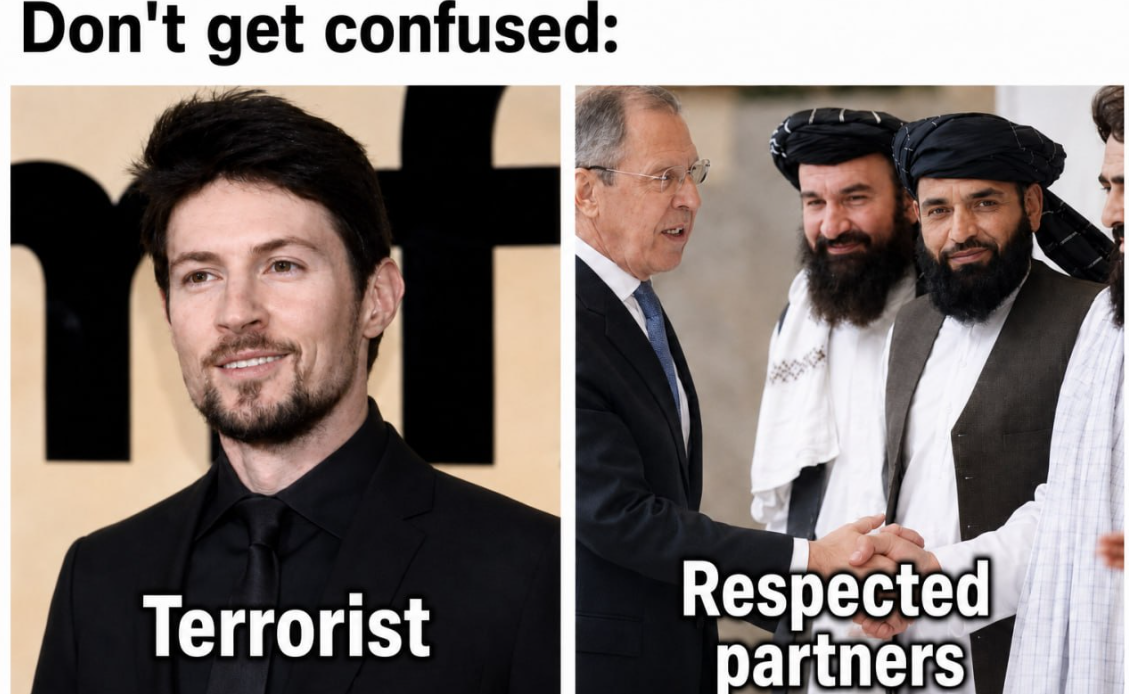
Durov’s Response to Being Labeled a “Terrorist”

Join our Trading Community on Telegram

Telegram founder Pavel Durov has publicly commented for the first time on the Russian authorities’ decision to include him on the list of terrorists and extremists. In his Telegram channel, the entrepreneur stated that the reason behind the persecution was his years-long refusal to comply with demands for mass surveillance of users and censorship on the platform.

Durov paid particular attention to the wording of the accusations. According to him, under Russian law, he is now prohibited from “publishing information on the internet” – despite the fact that he created one of the world’s largest messaging platforms.

He ended his statement with a phrase that quickly spread across social media:

“Russian officials clearly do not understand who can ban whom on the internet.”

What the New Status Means

Earlier, Russian authorities officially added Pavel Durov to the list of terrorists and extremists. This status involves several serious restrictions within Russia:

  • possible freezing of bank accounts and assets;
  • a ban on most financial transactions;
  • restrictions on participation in elections;
  • limitations on interaction with media and certain government institutions.

However, these measures apply only to Durov personally. Telegram as a company continues to operate separately and is not legally subject to these restrictions.

Why One Phrase Sparked So Much Debate

Many interpreted Durov’s statement not as an emotional reaction but as a clear message.

The Telegram administration has full control over how the platform operates. It makes decisions regarding the existence of channels, verification of official accounts, granting verification status, and enforcement of community rules.

Today, Telegram remains one of the main communication channels for Russian ministries, regional governors, state media outlets, government agencies, and individual officials. Many of them continue to publish official statements through the messenger.

Therefore, Durov’s words about “who can ban whom” were seen by many as a reminder that technical control over the platform does not belong to the state.

Telegram has not yet made any statements about possible actions toward official government channels. However, the wording alone has raised questions about how dependent Russian state institutions have become on a platform they have attempted to restrict for years.

The Telegram Paradox

The situation appears particularly contradictory.

Despite years of criticism toward Telegram, the messenger remains one of the main platforms for official communication by Russian authorities. The platform hosts:

  • federal ministries;
  • regional governors;
  • state media outlets;
  • municipal administrations;
  • press services of various government bodies.

This creates an unusual situation: the state is increasing pressure on the creator of the platform while continuing to actively use the service he built to communicate with millions of citizens.

The Move Toward a State Messenger

At the same time, Russian authorities continue their policy of moving away from foreign platforms.

According to previously announced plans, government institutions and publicly funded organizations are expected to gradually transition to the domestic messenger MAX, which is intended to become the main working platform for internal communication.

Meanwhile, Russian media and industry communities have repeatedly reported that many officials continue using Telegram, often relying on separate smartphones and SIM cards to access the service.

There has been no official confirmation of these reports, but similar claims have appeared regularly in recent months.

Fewer Alternatives Available

At the same time, users have reported a decline in the number of accessible foreign messaging platforms.

At the end of July, numerous reports appeared about problems accessing the Turkish messenger BiP and South Korean KakaoTalk without using a VPN. Many users viewed these apps as potential alternatives to Telegram.

No official explanation for the disruptions has been provided.

As a result, a situation is emerging in which the range of familiar communication tools is gradually narrowing, while state-controlled digital platforms are becoming increasingly important.

What Happens Next

For now, Pavel Durov’s statement remains his first public reaction after receiving the new status.

He has not announced any specific actions against government channels and has not indicated any changes to Telegram’s policies. However, his statement has already become one of the most widely discussed topics in the information space.

If the conflict between Russian authorities and Telegram’s founder continues to escalate, the future presence of official government structures on the platform could become one of the major topics in the coming weeks.

AI Opinion

From an analytical perspective, the current situation appears highly symbolic.

Several years ago, Russian authorities attempted to restrict access to Telegram, but later turned it into one of the most important tools for official communication. Today, the conflict has moved into a different dimension: it is no longer about blocking the service itself, but about a confrontation between a state and a person who retains full technical control over the platform.

That is why Durov’s phrase about “who can ban whom on the internet” is seen as more than an ironic remark. It highlights that in the digital world, legal decisions and technological control do not always belong to the same side. If the conflict continues to escalate, the consequences may affect not only the entrepreneur himself but also everyone who uses Telegram daily as an official communication channel.

0
0
Disclaimer

All content provided on this website (https://wildinwest.com/) -including attachments, links, or referenced materials — is for informative and entertainment purposes only and should not be considered as financial advice. Third-party materials remain the property of their respective owners.

Leave a Reply

Your email address will not be published. Required fields are marked *

Related posts
CryptocurrencyNews

Love for $3.3 Million

Even years of experience in the financial industry do not guarantee protection from fraudsters. In…
Read more
Forex brokersNewsPrecious MetalsStock brokersStock research & analytics

Євро та 10 варіантів нових банкнот

Європейський центральний банк (ЄЦБ) у четвер, 23 липня…
Read more
Disruptive technologyStock brokersStock research & analytics

Income and Taxes in the UAE: Is It Really Possible to Live with a 0% Tax Rate?

The UAE has long been considered one of the most attractive countries for entrepreneurs, investors…
Read more
Telegram
Subscribe to our Telegram channel

To stay up-to-date with the latest news from the financial world

Subscribe now!