


? The past few days have been tense for global markets: Asia is in the red, European indexes are declining, U.S. futures are turning cautious, and cryptocurrencies are falling in sync with them. Bloomberg highlights several key factors that coincided almost simultaneously and created the effect of a “perfect storm.”
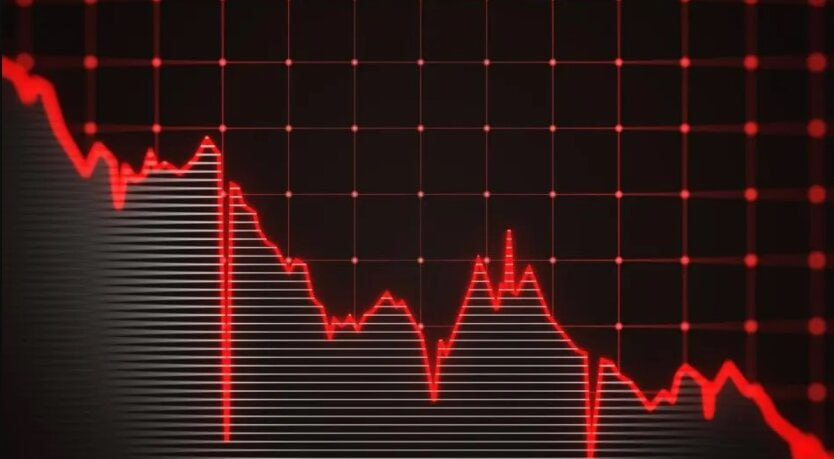
The main surprise came from Japan. The Bank of Japan, for the first time in many years, hinted at a possible rate hike on December 19. This became a real shock for the global financial system, where Japan had long served as a source of cheap capital. The yen strengthened sharply, carry-trade strategies began to unwind, and Japanese funds started bringing capital back home. Such movements automatically reduce global liquidity and create pressure on all risk assets. The situation was worsened by the rise in yields on Japanese bonds to levels last seen in 2008, which made domestic instruments significantly more attractive than foreign ones.
The second factor is the expected U.S. statistics. This week brings data on spending, employment and ISM indexes, and large funds prefer not to increase risk before the release. The market is currently acting on the principle: better to wait a couple of days than enter a position right before a possible surprise.

The third zone of tension is the uncertainty surrounding the Federal Reserve. Investors are awaiting the December 10 meeting and the decision on the rate. At the same time, there are rumors about a possible replacement of Jerome Powell. Some see these rumors as empty talk, others — as a hint of a future political shift. But even the mere expectation of personnel changes in the world’s main central bank increases nervousness and cools the desire to open large positions.
The fourth element is the cooling of the technology sector. The AI rally of recent months has slowed: valuations of many startups are overheated, expenses are rising, and the global MSCI Tech index has gone negative for the first time in almost seven months. Investors are beginning to question how sustainable this growth was and have started taking profits.

Additional pressure is coming from China. The manufacturing sector is again showing a decline, which automatically drags down Asian markets and increases caution among international investors. China remains one of the main barometers of the global economy, and its weakness instantly affects global sentiment.
Cryptocurrencies in this situation are not moving along separate paths but are following the macroeconomic picture. Bitcoin dipped below 86,000 dollars, Ethereum — below three thousand. There is no internal drama in the industry: this is a typical reaction to declining liquidity and rising global risk. One can claim as much as they like that Bitcoin lives independently, but when a sharp regime change happens in global markets, it moves in the same direction as stocks and other risk assets.

? Putting it all together, the picture looks quite logical.
Japan unexpectedly changed its tone, the U.S. is preparing a block of crucial statistics, the Fed keeps investors tense, the tech sector is cooling, China shows weakness, and crypto simply mirrors the general trend. The global market today is a system where any movement triggers a chain reaction. And until new clarity appears, participants prefer to stay closer to cash than to risk.
All content provided on this website (https://wildinwest.com/) -including attachments, links, or referenced materials — is for informative and entertainment purposes only and should not be considered as financial advice. Third-party materials remain the property of their respective owners.