

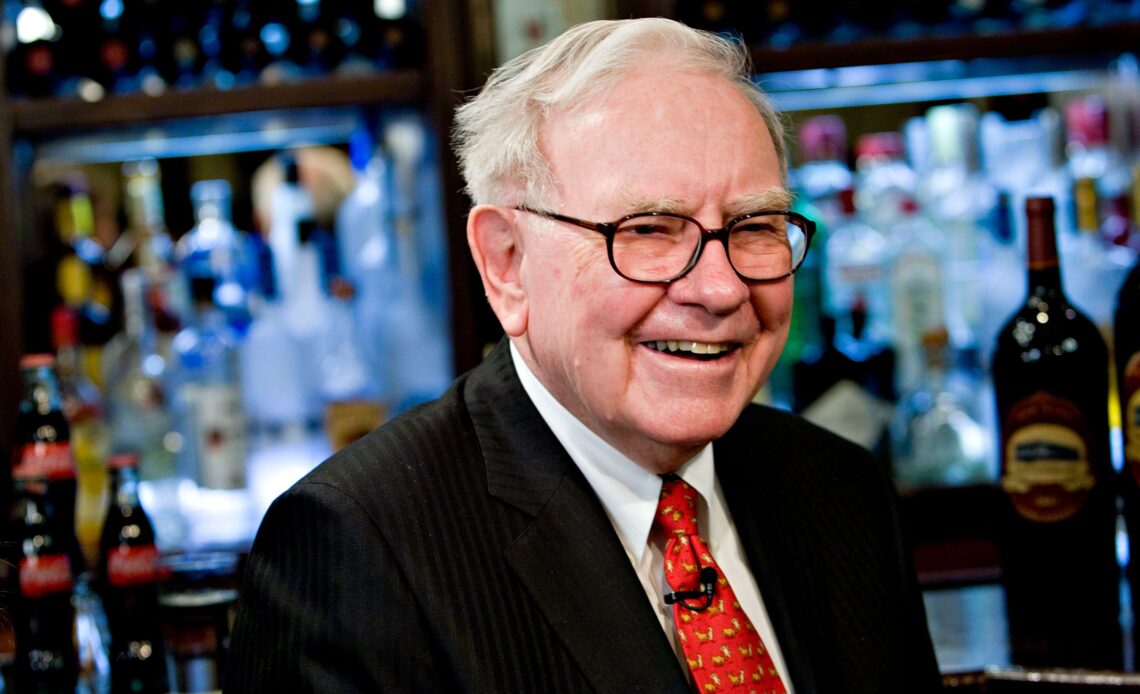
Today is the first day that Warren Buffett has officially retired. A man who for decades was held up as a benchmark of patience, discipline, and long-term thinking has ended his active management career at the age of 95. And against the backdrop of farewell words, it is important to remind one simple thing: even Buffett made mistakes. Publicly and expensively.
He is commonly perceived as an investor who “buys and holds forever.” This is only partly true. In reality, his portfolio included speculative trades and frankly unsuccessful investments.
One of the best deals of recent years is often considered to be the purchase of T-Mobile shares. The return amounted to about +90 percent. For a multi-billion-dollar portfolio, this was a very successful move, especially considering that many viewed the telecom sector as boring and overheated.

But there were opposite examples as well. Investments in HP resulted in about -23 percent. The bet on Snowflake ended with a decline of roughly -40 percent. The most painful case was Paramount Global, where losses reached -72 percent. These were not minor drawdowns, but full-scale “blowups,” simply carried out by a person with iron nerves and decades of reputation.
And yet, Buffett’s main wealth was not created by these trades. His fortune and legendary status grew out of a long-term approach. Over 60 years of managing Berkshire Hathaway, the price of one company share increased from about $19 to $756,000. This is not luck, not hype, and not a well-caught trend. It is discipline, compound interest, and the ability to sit in assets for years that others considered boring.
Against this background, his famous phrase about bitcoin is especially symbolic. Buffett once said that he would not buy all the bitcoins in the world even for $25, because, in his view, they produce no intrinsic value. This quote became a meme and a marker of his attitude toward cryptocurrencies.
What is happening now
Warren Buffett has officially stepped down as CEO of Berkshire Hathaway after more than six decades at the helm. This event can be called the end of an era without exaggeration. A company that began as an unprofitable textile business was transformed under him into one of the largest conglomerates in the world, with assets in insurance, energy, transportation, consumer brands, and finance.
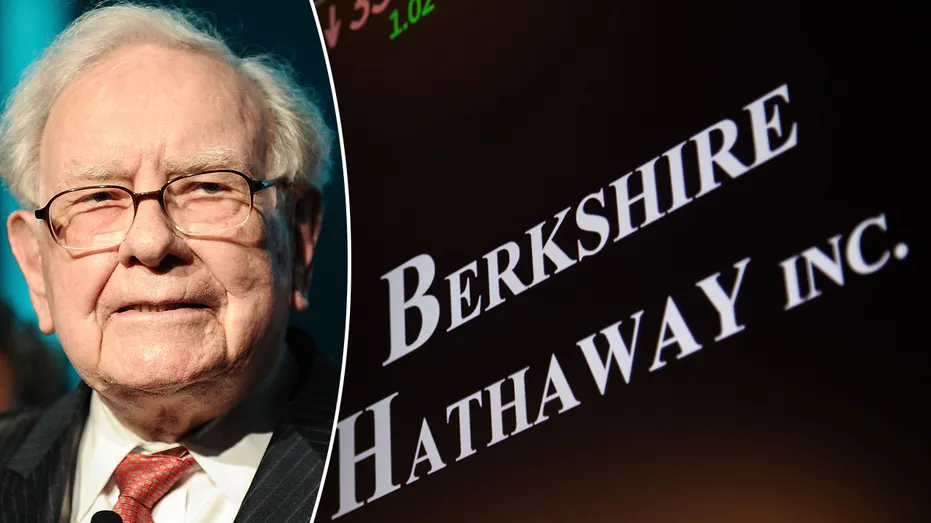
Operational management has passed to Greg Abel. Buffett remains chairman of the board, but his daily involvement in management has ended. For the market, this is a psychological milestone. For decades, investors have been accustomed to using Buffett’s letters, deals, and comments as a compass.
Why it matters
Buffett was not just an investor. He was a symbol of old-school rational capitalism, where money is earned through business, profits, and the real economy, not through promises and presentations. His departure intensifies the question of what Berkshire will look like without the “Oracle of Omaha” and whether the former philosophy can survive in a world where speed matters more than patience.
The connection with bitcoin
Buffett’s skepticism toward cryptocurrencies became part of his public image. He consistently contrasted bitcoin with assets that generate cash flow: businesses, real estate, and shares of profitable companies. For him, bitcoin was not an investment, but a speculation without intrinsic value.
At the same time, the irony is that his departure is seen by many as a symbolic end to the dominance of pure value investing. The world is changing, new asset classes are emerging, and institutional players are increasingly looking toward digital instruments, even if Buffett himself remained a harsh critic of them.
Legacy and impact
Buffett’s story is also important because it destroys the myth of infallibility. He made mistakes, lost money, entered the wrong companies, and exited at the wrong time. But he always played the long game. And it was this that brought results.
His departure does not mean that bitcoin has “won” or that value investing has “lost.” Rather, it is a reminder that there are no eternal truths in the market. There are only strategies that work in their time and investors who are willing not to change their convictions with every price move.
Buffett leaves, but he leaves behind his main legacy – the understanding that wealth is built not on perfect trade statistics, but on the ability to survive mistakes and continue acting according to a system.
All content provided on this website (https://wildinwest.com/) -including attachments, links, or referenced materials — is for informative and entertainment purposes only and should not be considered as financial advice. Third-party materials remain the property of their respective owners.