

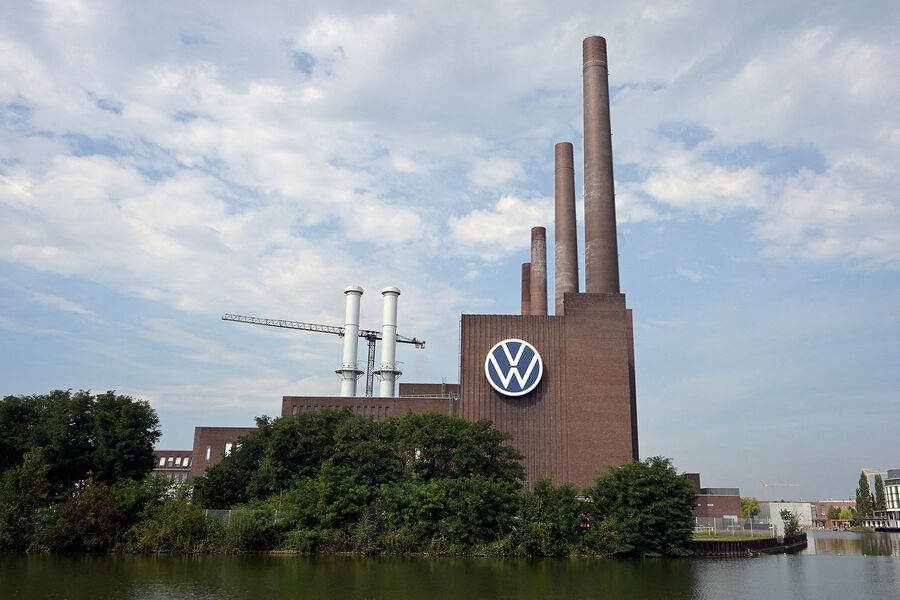
Volkswagen will tomorrow, for the first time in 88 years, close one of its automobile plants in Germany – this concerns the factory in Dresden, which was opened in 2002 and at the peak of its development produced up to 200,000 cars per year. This is reported by the Financial Times.
The plant closure will become part of a large-scale workforce reduction program, under which the group intends to lay off around 35,000 employees across Germany.
The main reasons for such large-scale changes are a combination of economic and energy crises, as well as structural problems in the automotive industry. Germany, a country with high resource costs and limited access to cheap energy, has lost part of its competitiveness in global markets. Additional pressure has been created by new US tariffs on cars from Europe, which have reduced the attractiveness of German vehicles in foreign markets.
Demand for electric vehicles, on which the group placed major bets in recent years, turned out to be lower than expected. Despite significant investments in the development and production of electric cars, sales did not justify the invested funds. At the same time, Volkswagen continues to spend large amounts on modernizing internal combustion engines in order to meet environmental standards and maintain the relevance of models with traditional powertrains.
All these factors have led to the need to revise the group’s financial plans. The budget for the coming years has already been cut by billions of euros, reflecting the seriousness of the current problems and the need to reduce costs. The closure of the Dresden plant symbolizes both the company’s internal difficulties and broader structural changes in Germany’s automotive industry: the transition to new technologies, rising production costs and intensifying competition in global markets.
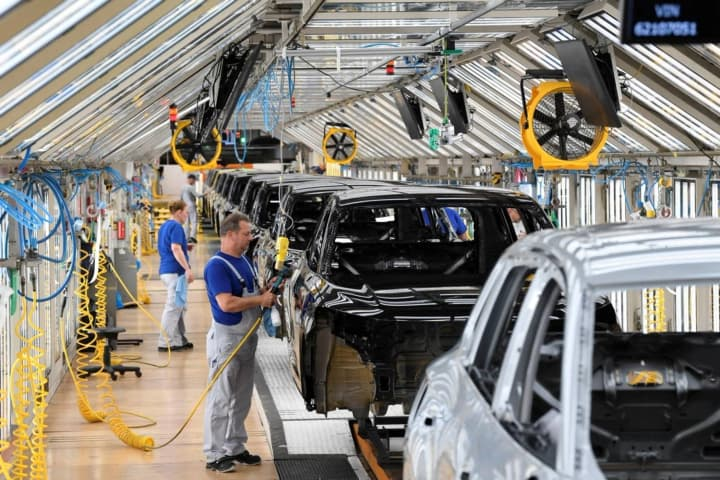
This event also has a social impact – for the plant’s employees and the region as a whole. Job losses will affect the local economy, reduce purchasing power and require government and private institutions to develop support and retraining programs for specialists. Volkswagen is simultaneously forced to balance the need to optimize production, maintain the image of an innovative company and pursue a long-term strategy of transitioning to electric vehicles and sustainable mobility.
Thus, the closure of the Dresden plant is not merely a local problem, but an indicator of large-scale changes facing Europe’s largest automotive groups: the combination of global economic challenges, technological transformations and market pressure is forcing companies to reconsider their production strategies and adapt to new industry realities.
All content provided on this website (https://wildinwest.com/) -including attachments, links, or referenced materials — is for informative and entertainment purposes only and should not be considered as financial advice. Third-party materials remain the property of their respective owners.