

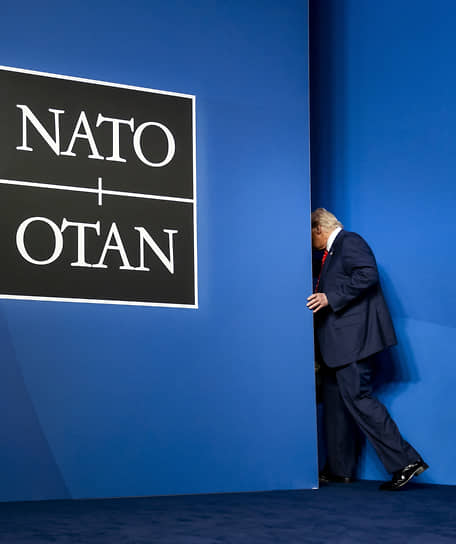
In mid-January 2026, U.S. President Donald Trump announced new tariffs on imports from several European countries, including Denmark, Norway, Sweden, France, Germany, the United Kingdom, the Netherlands, and Finland. These duties will take effect on February 1, 2026, at a rate of 10% and rise to 25% by June 1 if the countries do not agree to special conditions regarding Greenland — denying the U.S. the ability to purchase or control the island. This measure was a response to European opposition on the Greenland issue and attempts to develop joint NATO missions in the Arctic.
These trade threats were seen as unprecedented pressure on alliance partners. European governments called the tariffs political blackmail, threatening transatlantic relations and potentially undermining trust within NATO.
tools should not be used to resolve security issues among allies. “If the U.S. seizes Greenland, it will be the end of NATO,” said European Commissioner for Defense and Space, Andrius Kubilius, according to Reuters.
Moreover, Brussels was forced to hold an emergency meeting of EU ambassadors to develop a unified response to the U.S. threats. The American tariffs were announced after several European countries sent small contingents to joint exercises in Greenland under NATO, which Trump considered an “unexplained” intervention.
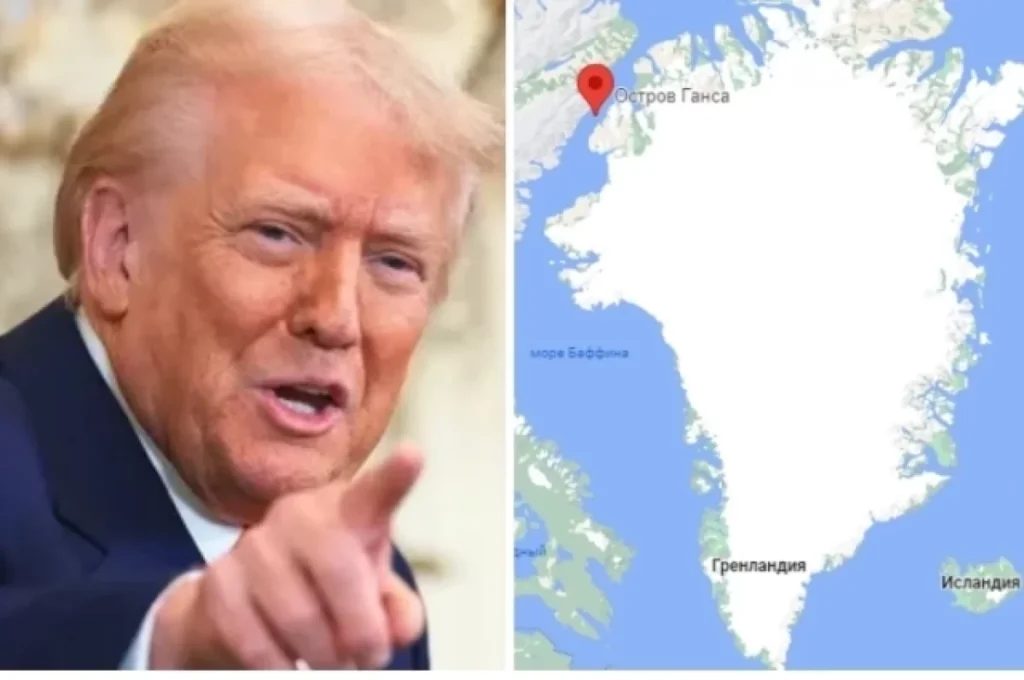
Within the U.S., the tariffs also faced criticism. For example, Republican Senator Tom Tillis stated that such measures only help NATO’s adversaries, including Russia and China, and could damage the positions of both the U.S. and the alliance itself.
At the same time, NATO Secretary-General Mark Rutte previously stated that U.S. tariffs do not formally violate the NATO treaty, as trade disputes are not directly covered by the military alliance or its charter, although they clearly create tension in economic interactions.
Current geopolitical risks
NATO formally continues to exist, and the established principle of collective defense under Article 5 remains in force, but recent U.S. actions have indeed called the alliance’s unity into question.
Expert assessments and European politicians’ reactions reflect growing concern in the following areas:
- Trade conflicts among allies: The tariffs affect trade and strategic partnership between the U.S. and EU alike, potentially undermining the economic foundation of transatlantic relations. European leaders warn this could lead to a “dangerous downward spiral” of retaliatory measures.
- Arctic strategy and Greenland: The U.S. insists on a more active role and even potential control over Greenland, considering the island critical for national security and strategic Arctic oversight. Denmark, Greenland, and allies firmly reject any idea of sale or change of sovereignty.
- Erosion of trust within NATO: Even though the alliance does not formally collapse, U.S. actions — from trade threats to pressure on military-strategic issues — tend to heighten tension rather than strengthen partner solidarity.
Practical implications
Tariffs as a foreign policy tool are applied to countries traditionally seen as key allies. Essentially, U.S. trade policy has become linked to military-strategic interests, blurring the usual separation between economic and defense relations within NATO. This is a unique situation: highly developed Western democracies face the threat of trade sanctions from a key ally for the first time.
Economists note that such measures could lead to further fragmentation of supply chains, increased uncertainty for businesses, and heightened geopolitical risk in global markets. European leaders emphasize that NATO remains, in spirit, a collective defense organization, but its political unity in recent years is under significant strain due to differing approaches to security, budgets, and foreign policy.
All content provided on this website (https://wildinwest.com/) -including attachments, links, or referenced materials — is for informative and entertainment purposes only and should not be considered as financial advice. Third-party materials remain the property of their respective owners.