


Never answer calls from unknown numbers until you understand what you’re dealing with. You can lose everything in 40 seconds – literally the length of a single conversation.
Now I’ll break down how these “offices” operate, because people are still falling for such nonsense that sometimes you just want to turn off your phone and go live in the forest. It’s 2026, technology has moved far ahead, yet scams still rely on the same two levers – fear and greed.
Social engineering, put simply, is hacking the human brain. Scammers don’t break banking apps or hack servers. They make a person hand over the keys to the apartment where the money is kept. Everyone has their own “weak points” – trust, panic, the desire for freebies, fear for loved ones. That’s what the entire phone scam industry is built on.
The first scheme is an updated version of “Mom, I’m in trouble”, now in the era of deepfakes. These are no longer dumb text messages or poorly acted performances. Now your “son” or “daughter” calls you with a voice that’s identical, with familiar intonations and speech patterns. They say they’re in the hospital, at the police station, at a checkpoint, that there’s an urgent problem and money is needed right now. The voice is cloned from your own videos on Instagram, TikTok, or messengers. You hear a loved one, and your brain simply shuts down. The outcome is almost always the same: within minutes, the money is sent to a random card, and realization comes only afterward.
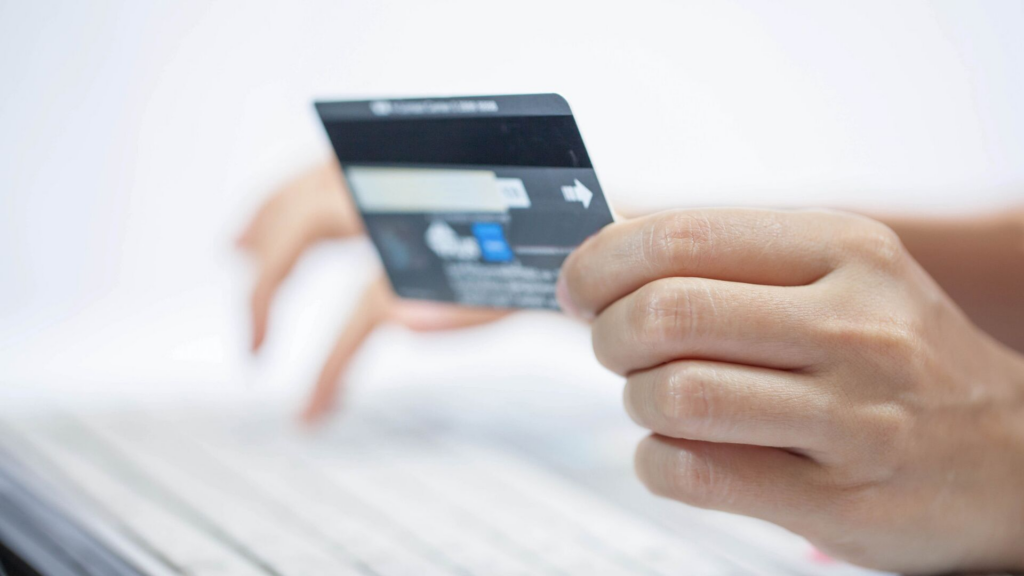
The second scheme is the “bank security service”, the central bank, Monobank, PKO, or whoever else. A classic that refuses to die. You’re told that a suspicious transaction from another city has been detected on your card, and they start “saving” your money. They push urgency, don’t give you time to think, demand an SMS code or ask you to install an app “for protection”. In reality, it’s either remote access software or a fake banking app. In 2026 this scheme has become even more dangerous because scammers often know your recent purchases, amounts, and stores. Databases leak constantly, and when they mention real details, trust switches on automatically.
The third scheme is the investment paradise and “crypto gurus”. This is a long game. You get a call from an “international platform” and are offered to start with a small amount – $100–200. In a personal account on a fake website, charts look great, profits grow, and a manager regularly calls to praise you for smart decisions. But when you decide to withdraw money, fees, taxes, checks, and verifications suddenly appear. Each time, you’re asked to pay a bit more to “unlock the withdrawal”. In the end, a person starts bringing money from home to save what they believe they’ve earned, and ends up with nothing.
The fourth scheme involves payments from the UN, international funds, or “financial aid”. Here they exploit war, hardship, and need. People receive messages in messengers, see ads, or get calls saying that aid has been allocated to them. All that’s required is to confirm identity via a bank or a government app. The link leads to a site that looks exactly like the real one. You enter your details – and the money is gone faster than you can close the tab.
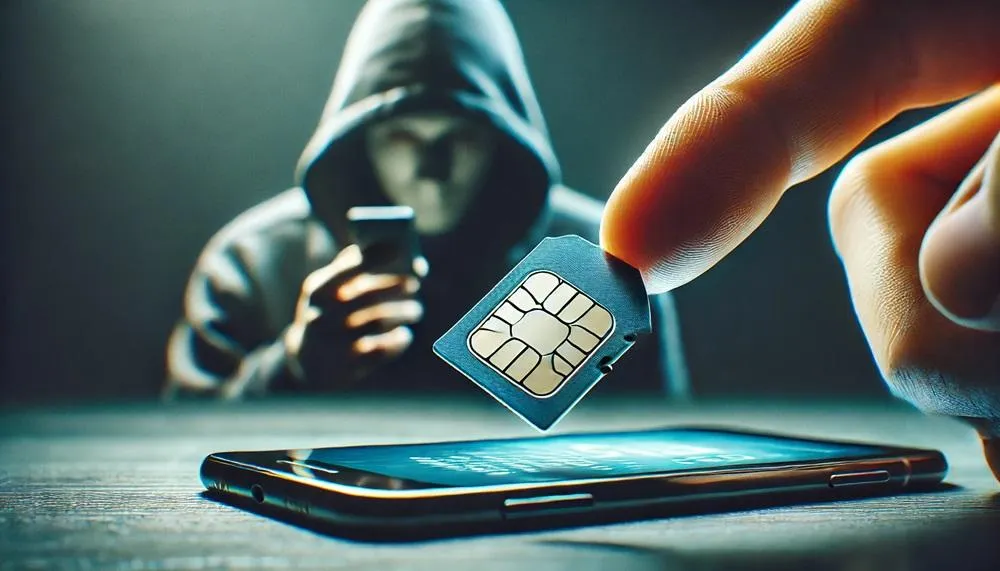
The fifth scheme is SIM card reissuance and number theft. First, you receive several missed calls from different numbers. Then your balance may be topped up with $1–2. After that, the scammer goes to the mobile operator and claims the SIM card was lost. They know who you called, when, and the amount of your last top-up. That’s often enough to get a duplicate SIM. From there it’s simple: bank SMS messages go to them, and accounts, including credit limits, are wiped out within minutes.
All these schemes use the same psychological techniques. You’re put under time pressure, authority is imposed, and you’re caught off guard – early in the morning or late at night, when you’re tired and distracted. This isn’t accidental, it’s scripted behavior.
Remember once and for all: no bank ever asks for CVV codes, SMS codes, or creates “emergencies” over the phone. If someone calls you and panic starts – don’t respond at all. Not a single word. Don’t try to troll them or play smart. They collect voices, intonations, phrases, clone speech, and reuse it later. Then you won’t even understand where the loans or problems came from.
Just silently hang up. Call the official bank number yourself or go to a branch and resolve issues there. Everything else is a direct path to losing money.
P.S. This text reflects information from the internet combined with our personal opinion and is not intended to offend anyone. It criticizes ideas and schemes, not people. The material is meant for conscious discussion and improving financial and digital hygiene.
All content provided on this website (https://wildinwest.com/) -including attachments, links, or referenced materials — is for informative and entertainment purposes only and should not be considered as financial advice. Third-party materials remain the property of their respective owners.