

The situation surrounding a possible resolution of the conflict between Iran, the United States, and Israel is beginning to resemble a classic diplomatic game involving elements of pressure, bargaining, and a show of force. According to Reuters, Washington has delivered to Tehran, via Pakistan, a detailed peace plan consisting of 15 points. Formally, this is presented as an attempt to stop a war that has already entered its fourth week, but in essence, the document appears as a strict ultimatum in which the concessions of one side significantly outweigh the obligations of the other.
The transfer of the document through Pakistan is itself telling. It indicates that direct channels of communication are either limited or deliberately unused, and the negotiations are conducted in a so-called hybrid format—through intermediaries, combined with public pressure and a demonstration of military readiness. At the same time, Islamabad has already expressed willingness to host possible talks, adding an additional diplomatic layer to the situation.
The essence of the American proposal comes down to a temporary de-escalation—a 30-day ceasefire—in exchange for systemic and long-term concessions from Iran. The key demands appear extremely strict: dismantling nuclear infrastructure, a complete halt to uranium enrichment, transfer of already accumulated stockpiles under IAEA control, and limits on the missile program. A separate point requires ensuring free navigation through the Strait of Hormuz—a strategic artery of the global oil market, on which a significant portion of global energy supplies depends.
In exchange, the U.S. offers to lift sanctions that have for years choked the Iranian economy, and to provide assistance in developing peaceful nuclear energy. On paper, this appears as a classic deal: security in exchange for economic recovery. But in practice, the balance of demands and concessions raises questions even among outside observers, let alone Tehran.
Iran’s reaction was predictably harsh and far from diplomatic courtesy. In essence, the proposal was demonstratively rejected. This is unsurprising: compliance with such conditions would mean not just a compromise, but a radical revision of the country’s entire defense and energy strategy. For Iranian leadership, this appears more like an attempt at capitulation under a different name.
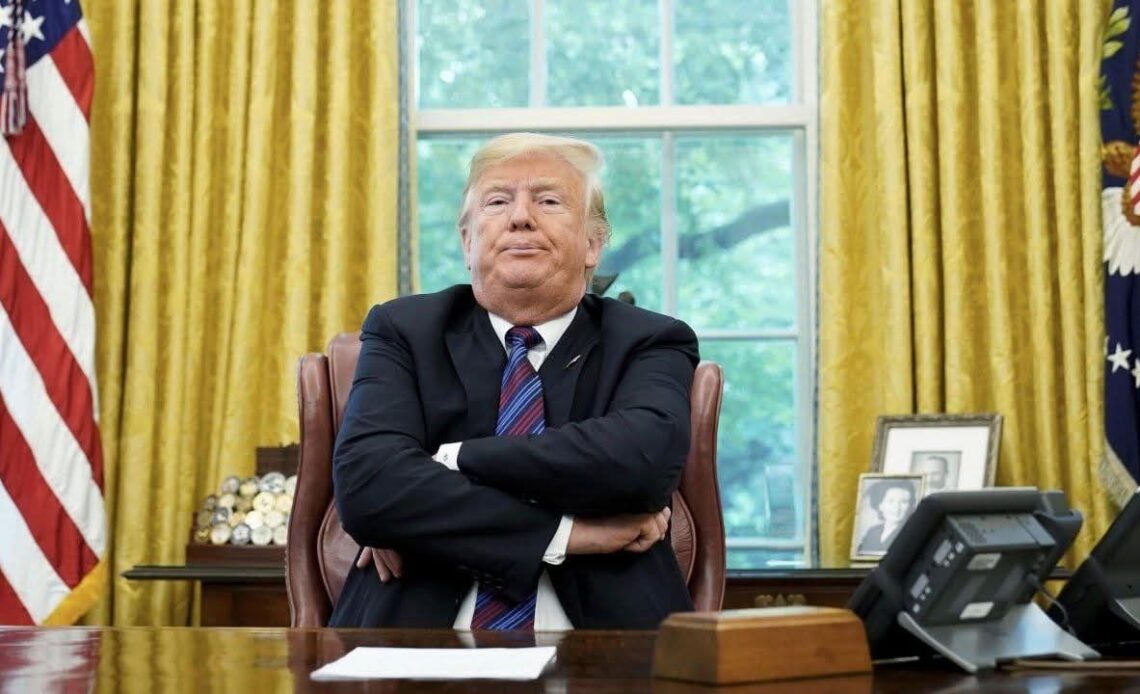
Nevertheless, Donald Trump’s public rhetoric remains optimistic. He claims that the U.S. is “talking to the right people” in Iran and that Tehran is allegedly interested in a deal. Such statements resemble an element of negotiation tactics more than a reflection of the real situation. In diplomacy, progress is often announced precisely when it needs to be created, not when it already exists.
Particular attention should be paid to the impact on financial markets. Despite the ongoing conflict, markets are showing growth. And here comes the most interesting part. The logic of recent years shows that when markets do not feel pressure, politicians’ hands are untied. The absence of panic and sharp asset declines reduces political risks of escalation and can push toward tougher actions.
In other words, if investors behave calmly, it can become an indirect signal that the situation can be “pressed” by force to achieve a more favorable negotiation position. In this context, market growth is not a sign of stability, but a potentially dangerous factor that reduces restraining mechanisms.
Judging by the content of the proposed plan, negotiations are indeed ongoing, but in an extremely complex format where diplomacy goes hand in hand with military pressure. This is not a classic peace process, but rather an attempt to force the opponent to accept terms under the threat of further escalation.
That is why rapid results should not be expected. The gap between demands and willingness to accept them is too great. In such situations, negotiations can last weeks and months, accompanied by new rounds of tension, sharp statements, and local escalations.
At present, one can say that the diplomatic channel is open, but trust between the parties is virtually nonexistent. Therefore, each new step is not a move toward peace, but a test of strength, where the stakes remain extremely high and the space for compromise is minimal.
All content provided on this website (https://wildinwest.com/) -including attachments, links, or referenced materials — is for informative and entertainment purposes only and should not be considered as financial advice. Third-party materials remain the property of their respective owners.