

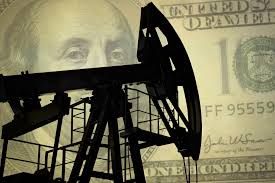
Today, March 9, 2026, global financial markets began the week on a negative note. The main U.S. indices — S&P 500, Nasdaq, and Dow Jones — opened lower after a sharp surge in oil prices. The trigger for this reaction was a new wave of tensions in the Middle East, which intensified investor concerns about the stability of energy supplies.
The energy market has traditionally been one of the key factors capable of quickly changing investor sentiment. This time, oil became the main driver of market movements. Brent crude prices rose above the $100 per barrel mark, while U.S. WTI crude approached the $98 level. This movement occurred in a short period of time and immediately affected the dynamics of stock markets.
The main reason for the price increase is related to the threat of supply disruptions through the Strait of Hormuz — one of the most important transportation corridors in the global energy system. This narrow maritime passage connects the Persian Gulf with the world’s oceans and plays a critical role in the global oil supply chain. Around 20 percent of the world’s crude oil exports pass through it. Any threats to shipping security in this region are immediately reflected in prices, as the market begins to factor potential supply disruptions into the value of crude.
Historically, the oil market has always been extremely sensitive to geopolitical risks. Even the possibility of military action or increased tensions in the region can cause sharp price fluctuations. In the current situation, investors fear that further escalation of the conflict in the Middle East could lead to restrictions on oil transportation or even partial blockage of strategic routes.
Rising energy prices have far broader consequences than simply increasing fuel costs. For the global economy, this means increased inflationary pressure. Oil is a fundamental resource for a vast number of industries — from transportation and logistics to the chemical industry and plastics production. When oil prices rise, companies face higher production and transportation costs, which ultimately affects the prices of goods and services.
For this reason, oil price spikes often become a catalyst for accelerating inflation. Higher inflation, in turn, complicates the task of central banks, which must balance supporting economic growth with controlling rising prices.
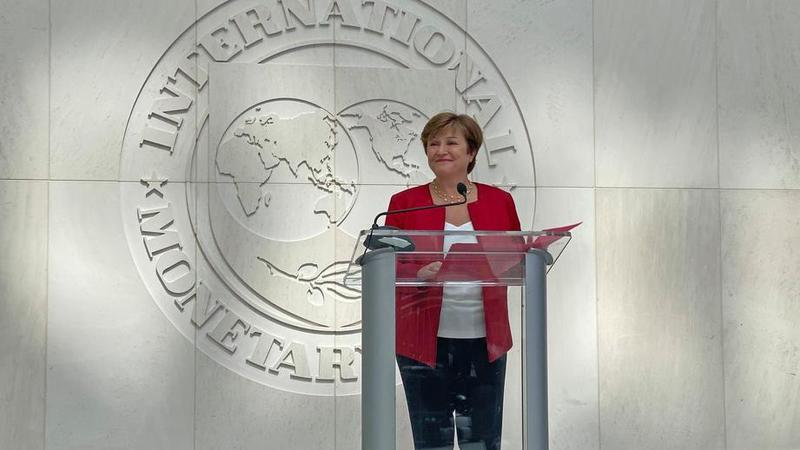
International Monetary Fund Managing Director Kristalina Georgieva has already warned that a 10 percent increase in oil prices could add approximately 0.4 percentage points to global inflation. For the global economy, which is already facing significant uncertainty, such acceleration in inflationary processes could become a serious challenge.
For financial markets, this means the possibility of tighter monetary policy. If inflation begins to accelerate, central banks may be forced to keep interest rates higher for longer than previously expected. In the case of the United States, this directly concerns the policy of the Federal Reserve.
Investors are closely monitoring how sustainable the new rise in oil prices will be. If the price of a barrel remains above the psychologically important level of $100, pressure on the economy may intensify. More expensive energy slows consumer activity, reduces business margins, and in the long term can hinder economic growth.
This week, markets are paying special attention to macroeconomic data from the United States. In the coming days, two key inflation indicators will be released. On Wednesday, data on the Consumer Price Index (CPI) will be published, which is one of the main indicators of inflation in the U.S. economy. On Friday, investors will receive statistics on the Personal Consumption Expenditures index (PCE), the indicator that the Federal Reserve traditionally uses as its primary benchmark when shaping monetary policy.
These data releases may largely determine the future direction of financial markets. If inflation turns out to be higher than expected, the market may begin revising its forecasts regarding future actions by the Federal Reserve. This could increase volatility in the stock market and put pressure on the technology sector, which is particularly sensitive to interest rate levels.
Nevertheless, even amid the overall market decline, certain segments are receiving support from the current situation. First of all, this concerns the energy sector. Rising oil prices traditionally improve the financial performance of oil and gas companies because they increase revenues and profitability.
In addition, geopolitical tensions often increase investor interest in defense companies. During periods of instability, many countries review their military budgets and increase defense spending, creating additional demand for the products of the defense industry.
The current situation once again demonstrates how strongly geopolitical factors can influence financial markets. In recent years, the main drivers of growth have been technology companies and the development of artificial intelligence. However, periods of global instability remind investors that fundamental resources such as oil and energy continue to play a key role in the global economy.
If tensions in the Middle East persist and oil prices remain at elevated levels, markets may face a new phase of increased volatility. In such conditions, investors typically pay closer attention to macroeconomic data, inflation dynamics, and the actions of central banks.
Financial markets are once again in a situation where the key drivers are not in the technology sector but in energy and geopolitics. That is why the dynamics of oil prices in the coming weeks may become one of the main factors determining investor sentiment and the direction of global markets.
All content provided on this website (https://wildinwest.com/) -including attachments, links, or referenced materials — is for informative and entertainment purposes only and should not be considered as financial advice. Third-party materials remain the property of their respective owners.