

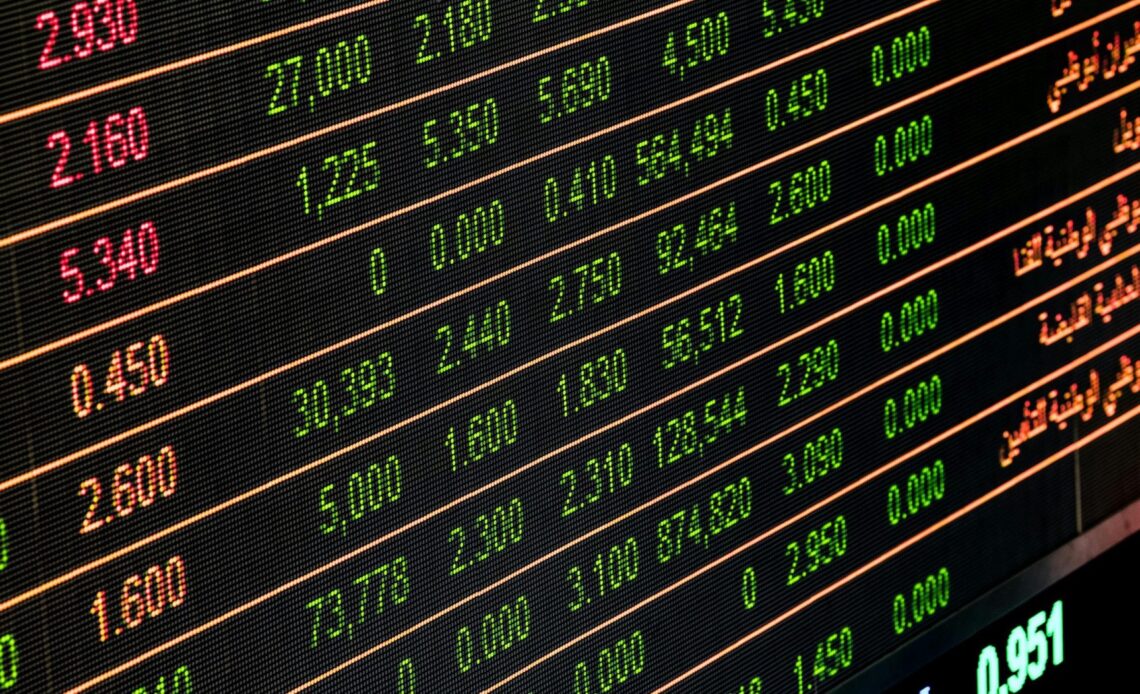
The year began exactly the way investors like it: new all-time highs, confident upward movement, and a general sense that the process is under control. But at this stage, what matters more than the records themselves is the logic behind them. The market is now being bought not out of hysteria or blind greed, but out of fairly sober calculation.
The key driver is confidence. The latest labor market report turned out to be an almost perfect compromise. The economy continues to grow, but without overheating. Employment is stable, wages are not surging, and unemployment is not signaling a recession. For the market, this is the best possible scenario: the Fed is not forced to urgently raise rates, but there is also no need for panic-driven stimulus. This kind of “stress-free pause” is exactly what investors are currently pricing in.

It is also important how the market is rising. The rally is no longer narrow. This is no longer a story about a few technology giants pulling the indices higher while everything else stands still. Small-cap stocks, industrials, transportation, and sectors tied to the real economy have joined the move. When growth becomes broad-based, it more often signals the development of the cycle rather than its final stage. Capital starts looking for opportunities beyond the obvious favorites.
The housing market deserves special attention. For a long time, it was under pressure from high interest rates, and investors preferred to stay away. A single comment from Trump about supporting the mortgage segment was enough to noticeably revive the sector (Donald announced government plans to purchase $200 billion in mortgage-backed securities, which he said would “lead to lower mortgage rates, lower monthly payments, and make homeownership more affordable”). The reaction is telling: capital is ready to return to areas that previously carried too much fear. This is not a one-day speculation, but a shift in expectations for months ahead.

Illustration: Sarah Grillo/Axios
At the same time, the market has clearly become more selective. Weakness in healthcare, solar energy, and agriculture shows that the era of “buying everything” is over. Investors are closely examining demand, margins, the political backdrop, and macroeconomic support. Money is flowing not just into growth, but into growth with a clear rationale.
From a psychological standpoint, the picture looks healthy. There is still no widespread fear of missing out. Panic buying, when investors go “all in right now,” is also absent. Most decisions appear balanced and calculated. This is typically characteristic of the middle of a bull market, not its peak, when emotions start to dominate logic.
Risks, of course, have not disappeared. In the coming days, the main potential trigger is inflation data. If the numbers unexpectedly show acceleration, the market will quickly remember rates, yields, and the Fed’s hawkish rhetoric. In such a scenario, a correction could be sharp. But until that happens, buyers still have room to maneuver.
The conclusion is simple. The market is not currently overheated by emotions. It is calm, confident, and reasonably rational. Statistically, such moves more often end with continued growth rather than an abrupt reversal. The working strategy at this stage is to hold strong positions, avoid panicking over short-term fluctuations, look for entry points on pullbacks, and not chase hype. The old rule “better to miss a trade than to lose discipline” is especially relevant right now.
All content provided on this website (https://wildinwest.com/) -including attachments, links, or referenced materials — is for informative and entertainment purposes only and should not be considered as financial advice. Third-party materials remain the property of their respective owners.