

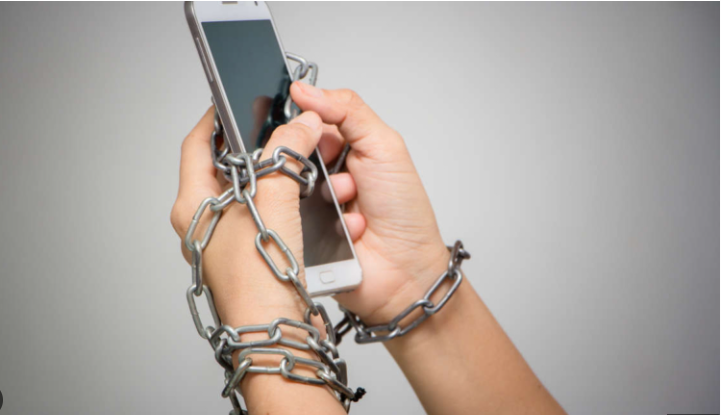
A research group from Heidelberg has once again drawn the attention of scientists and the general public to the impact of smartphones on the human brain. A new study led by Sophie H. Haage and published in March 2026 in the journal Addictive Behaviors shows that just three days without a smartphone can noticeably change brain activity. At the same time, the changes appear particularly concerning in people who show signs of device dependence. The work continues the team’s earlier research and refines their previous conclusions.
The experiment involved 36 young adults aged between 18 and 29. For 72 hours they almost completely abstained from using smartphones. Before the experiment and immediately after it, all participants underwent functional magnetic resonance imaging, which allows researchers to observe activity in different areas of the brain in real time. To assess the level of dependence, participants were divided into two groups based on a questionnaire. One group included individuals showing signs of dependence – difficulty controlling screen time, anxiety when separated from the device, and negative effects on daily life. The second group consisted of regular users without such symptoms.
The results were revealing and showed opposite reactions in the brains of the two groups. Among regular users, three days without a smartphone increased activity in brain regions associated with self-control, concentration, and decision-making. This suggests that temporary disconnection from the device may stimulate cognitive functions and improve the ability to organize behavior. Among individuals with signs of dependence, the situation was different. Activity in the same regions decreased, while activity in sensorimotor and visual areas increased. The stronger the craving for the device, the more pronounced the decline in activity in the prefrontal cortex responsible for self-control and behavioral evaluation.
It is worth noting that these findings refine the conclusions of the team’s earlier study published in 2025 in the journal Computers in Human Behavior. That research showed that a 72-hour restriction increased activity in reward-related brain areas in all participants, similar to those activated during gambling or overeating. The new study adds an important nuance: in individuals with signs of dependence, the reduction in behavioral control makes the absence of a smartphone a stressful and potentially destabilizing experience.
From the perspective of addiction neuroscience, such a pattern is familiar from other behavioral addictions. Reduced activity in the prefrontal cortex combined with increased activity in sensorimotor regions is a classic pattern in which control weakens while impulsivity increases. Similar mechanisms are observed in gambling addiction, compulsive overeating, and excessive use of social media.
Researchers also emphasize methodological limitations. The sample size was relatively small – only 36 participants, and the classification of users as dependent or non-dependent relied on self-assessment through questionnaires rather than clinical diagnosis. Therefore the boundaries between groups remain somewhat conditional, and the results cannot be directly generalized to the entire population. Nevertheless, the study highlights the strong influence smartphones can have on cognitive processes and self-control, and it raises an important question: can short-term disconnection from a device be beneficial, or does it instead increase stress and impulsivity in dependent users.
Overall, the study shows that the habit of being constantly online forms stable neural patterns. For people with signs of dependence, temporary smartphone deprivation does not improve self-control but instead increases the reactivity of sensorimotor and visual brain regions, placing additional strain on the psyche. This suggests that digital dependence is not simply a psychological habit but a complex neurobiological phenomenon that requires careful approaches to prevention and behavioral regulation in the digital
All content provided on this website (https://wildinwest.com/) -including attachments, links, or referenced materials — is for informative and entertainment purposes only and should not be considered as financial advice. Third-party materials remain the property of their respective owners.