

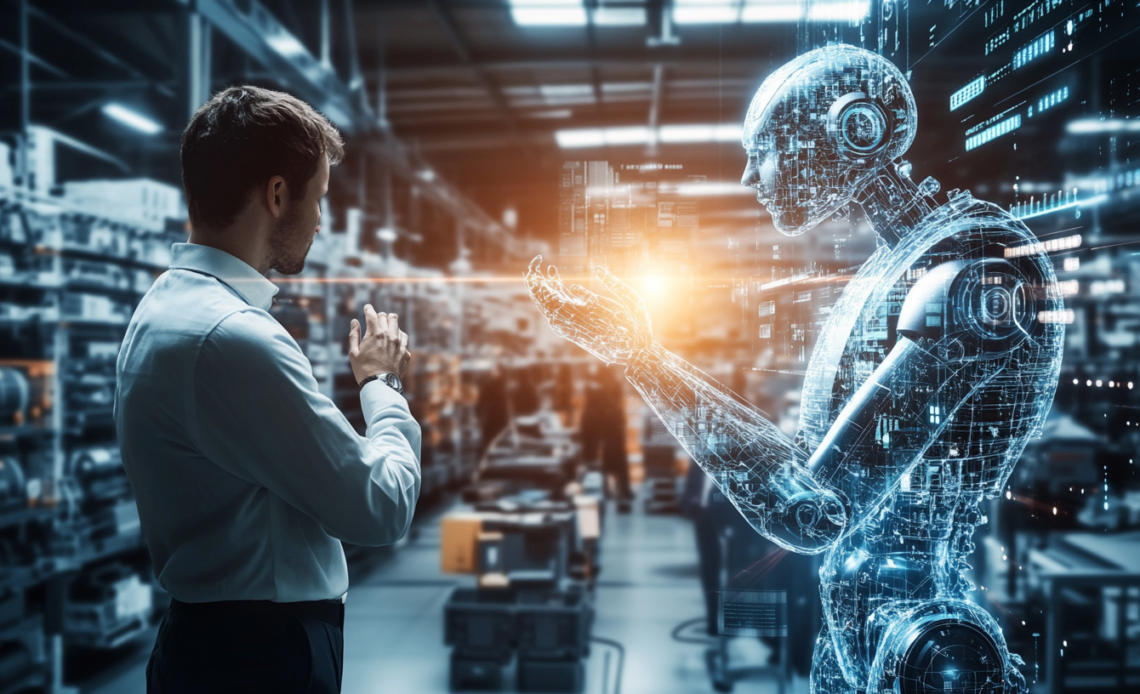
?️ Tech giants and analysts agree: 2026 will be a turning point for artificial intelligence, robotics, and blockchain. What yesterday seemed like futuristic dreams is today becoming the infrastructure of a new world. Technologies are no longer separate — they begin to work together, like the gears of a well-oiled machine. And it is in this interaction that what will change the economy, labor market, and the very idea of trust is born.
Blockchain, long perceived as a toy for crypto enthusiasts, is becoming the foundation of trust for AI systems. Companies are beginning to implement it as a basis for digital signatures, data traceability, and decision verification. Autonomous agents are acting more boldly, and businesses need transparent, immutable records of their actions. Any significant action is recorded in compact ledgers that become the new standard for reporting. In a world where trust must be proven, blockchain becomes the accounting system for artificial intelligence.

At the same time, an astonishing cultural shift is occurring. Human-created content becomes a new luxury. The internet is overflowing with synthetic texts, images, and videos, and anything created by a human hand, voice, or even whim becomes premium. Real, authentic, imperfect — all of this gains value again. In the corporate environment, those who can create content with a human face, emotion, and meaning will win. In a world of automation, humanity is the rarest resource.
Marketing is also changing beyond recognition. Now it is necessary to persuade not only people but also the agents who make decisions for them. Walmart already uses the Sparky assistant, which compares products and forms a shopping cart without the buyer’s involvement. Similar systems are being implemented by Amazon, Instacart, Shopify, and Expedia. Agents choose products based on reputation, efficiency, accurate data, and full transparency. They are not swayed by flashy slogans, impulses, or discounts like an ordinary person. In the future, brands will sell not only to people but also to robots and digital client representatives.
With the mass proliferation of AI agents, their verification via blockchain becomes not just a recommendation but an operational standard. Companies are creating digital IDs, roles, access rights, and audit logs. Agents are being viewed not as tools but as digital employees. For an agent to have the right to make a decision, it must be identified, authorized, and tracked. Platforms like UtopIQ are emerging, building AI fleet management systems that monitor every action.
AI ethics is moving out of philosophy and turning into a set of verifiable requirements. Insurance companies are introducing liability models, and regulators demand explainability of decisions, especially in lending, healthcare, safety, and hiring. It is not enough to say that a model works well. It must be shown to work responsibly. New metrics appear: transparency, fairness, absence of hidden discrimination, and safety. Companies are forced to substantiate these qualities with actual data.
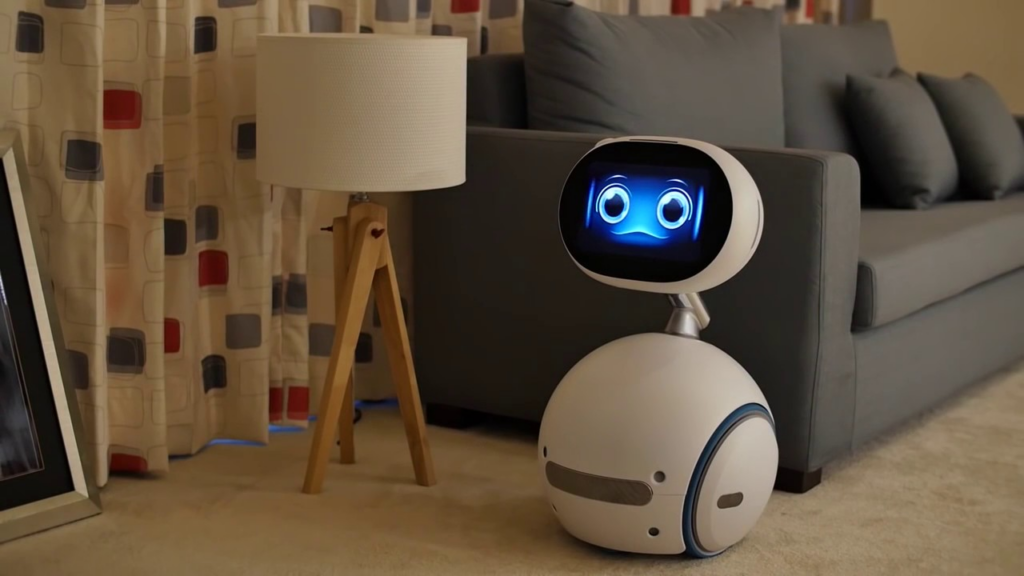
In robotics, the era of specialization arrives. Dominance will not belong to universal “robots for all occasions” but to narrow, efficient, and economically clear solutions. Warehouse machines, surgical assistants, and service mechanisms demonstrate clear, quantified profitability. The first mass-market home robot will also be a narrow specialist, not a metallic “household human” that can cook, clean, and sing lullabies. The world of technology returns to an ancient principle: the master is better than the apprentice.
There is also a downside to progress. Smart toys and home robots already collect data about children, including sound, images, and behavior patterns. Since home robotics is not yet regulated, 2026 will almost certainly see the first major scandal over improper data use. This will force the market to reconsider the security and privacy of devices that live under the same roof as us.
In parallel, a common communication language between agents will begin to form. Today, each system speaks its own dialect, creating many inconveniences. In 2026, a mature communication protocol will emerge, allowing robots, assistants, corporate tools, and autonomous systems to coordinate tasks, roles, and safety boundaries in real time. The universal A2A language will greatly simplify machine learning and interaction between machines and humans.
Business models will also be shaken. Software subscriptions based on user counts are losing relevance. Agents change the logic of work: one digital entity can perform the labor of dozens of employees. Companies are therefore shifting to payment for actions and results, not for app access. Managers are forced to rethink labor structure: what should be done by humans, what by agents, and what jointly. Those who restructure in time will see a sharp increase in productivity.
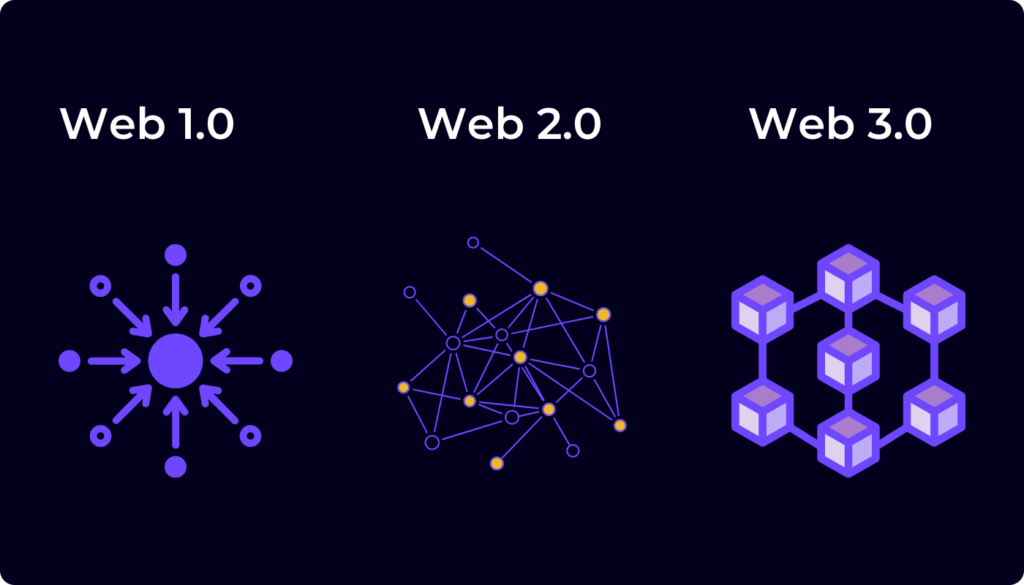
Meanwhile, Web3 quietly enters everyday life. Users may not even realize they are using blockchain. NFT brands will appear on supermarket shelves, decentralized prediction markets will influence public discourse, and networks like Base and TON will become invisible infrastructure for consumer services. Blockchain will become an internal mechanism, like Wi-Fi or the cloud, not a topic of discussion.
Visual AI avatars will emerge, becoming the face of customer service. Large companies will increasingly use their own digital images — recognizable, consistent, branded. The avatar will be the first point of contact for a customer with a business. By 2027, launching one’s own agent as the main communication channel, rather than a social network, will become the norm.
? AI skills are becoming a basic requirement for employment. Recruiters already note: if a candidate does not use AI when preparing for an interview, they are unlikely to use it at work. AI literacy becomes the new computer literacy. Those who ignore technology find themselves in the same position as people in 2005 who refused to learn to work with email.
All content provided on this website (https://wildinwest.com/) -including attachments, links, or referenced materials — is for informative and entertainment purposes only and should not be considered as financial advice. Third-party materials remain the property of their respective owners.