

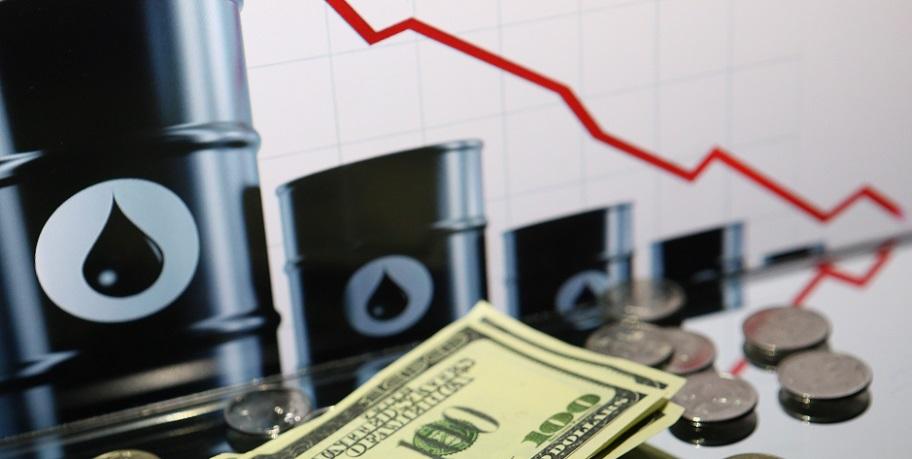
Brent rises to $120, global markets react with sharp drops
Global financial and commodity markets are experiencing one of the strongest energy shocks in recent years. A sharp escalation of tensions between the United States and Iran has caused a rapid increase in oil and gas prices, which is already starting to affect stock markets, exchange rates, and investment flows worldwide.
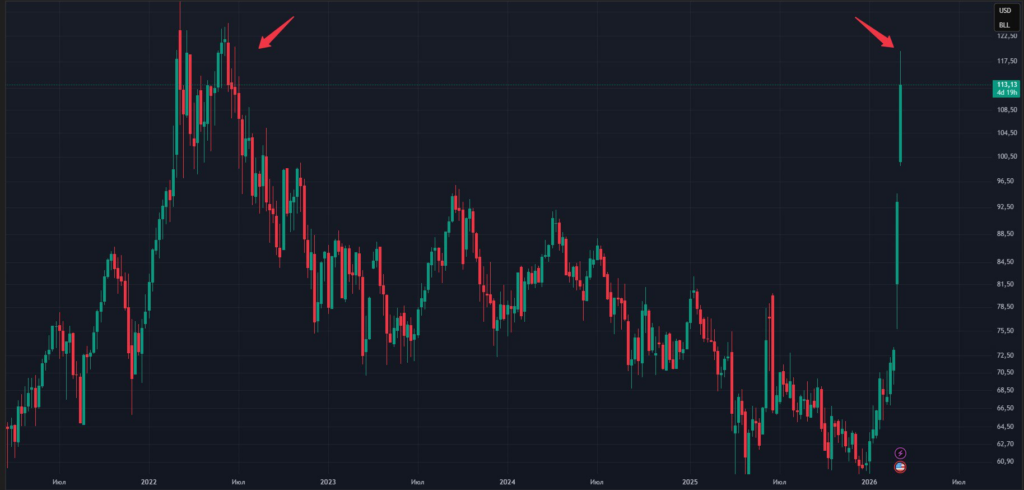
The price of Brent crude oil has temporarily approached $120 per barrel. Similar levels were last seen in the summer of 2022, when global energy markets faced the consequences of geopolitical conflicts and supply chain disruptions. However, the current situation differs in that price increases are occurring extremely quickly and are accompanied by high uncertainty about future developments. Many analysts note that what is happening can be called one of the largest energy shocks of modern times. The main problem is that at present there is almost no understanding of when and how the de-escalation of the conflict may begin.
The main factor behind the sharp rise in energy prices is the escalation of the conflict between the U.S. and Iran. Intensified military actions in the region, as well as threats to the energy infrastructure of Persian Gulf countries, have sharply increased the risks of oil and gas supply disruptions.
Market attention is particularly focused on the situation around the Strait of Hormuz. This strategically important maritime corridor connects the Persian Gulf to the world’s oceans and plays a key role in the global energy system.
About one-fifth of global oil exports pass through it. Any threats to shipping security in this area immediately trigger strong market reactions. Even partial disruptions in oil transport through the Strait of Hormuz can lead to a sharp reduction in global supply. In conditions where demand for energy remains high, such restrictions quickly translate into price spikes.
Markets have already started pricing in the risk of serious supply disruptions. WTI crude oil rose about 31 percent in a single day. Brent rose roughly 25 percent, and at one point its price exceeded $119 per barrel. Natural gas also shows an increase of about 10 percent. Considering the dynamics since the start of the conflict escalation, the overall rise in oil prices has already approached 75 percent. For the global economy, such rates of energy price increases are extremely painful.
Rising oil prices are almost immediately reflected in fuel costs. In the United States, there is a serious risk that gasoline prices may rise sharply. Some scenarios even discuss the possibility of a twofold increase in fuel prices.
For the U.S. economy, this means serious pressure on consumers and businesses. More expensive gasoline increases household expenses, raises the cost of transporting goods, and contributes to rising inflation.
In addition to the economic consequences, this development also has political significance. Fuel price increases are traditionally one of the most sensitive factors for American voters. If gasoline prices rise significantly, it could noticeably affect the political situation in the country, especially ahead of upcoming elections.
In American politics, energy crises often become a subject of mutual blame between parties. In conditions of rising fuel prices, political opponents may actively use the situation to criticize the economic policies of the current administration.
Against the backdrop of the energy shock, global financial markets are showing increased volatility. Futures on major U.S. stock indices have dropped sharply. Analysts estimate that the total market capitalization of companies has decreased by about two trillion dollars.
S&P 500 futures fell roughly 2.3 percent. The NASDAQ index lost about 2.4 percent. The Dow Jones Industrial Average also shows a decline of about 2.3 percent. This reaction is explained by the fact that rising energy prices put pressure on corporate profits. More expensive oil increases companies’ production costs, reduces business margins, and may slow economic activity.
Strong energy price increases also amplify inflation risks. If inflation begins to accelerate, central banks face an extremely difficult dilemma. On the one hand, rising prices require tighter monetary policy. On the other hand, slowing economic growth may force regulators to ease financial conditions.
Against this backdrop, investors begin actively reallocating capital between various assets. Rising uncertainty often leads to increased demand for the U.S. dollar, traditionally considered one of the key safe-haven assets of the global financial system. Strengthening of the dollar, in turn, exerts additional pressure on many markets. As the dollar index rises, prices of several commodities and financial instruments fall.
Amid the strengthening of the U.S. currency, gold and silver are declining. S&P 500 futures also remain under pressure. An interesting situation is observed in the cryptocurrency market. Unlike many traditional assets, the leading cryptocurrency shows relative resilience. The price of Bitcoin managed to recover above $67,000.
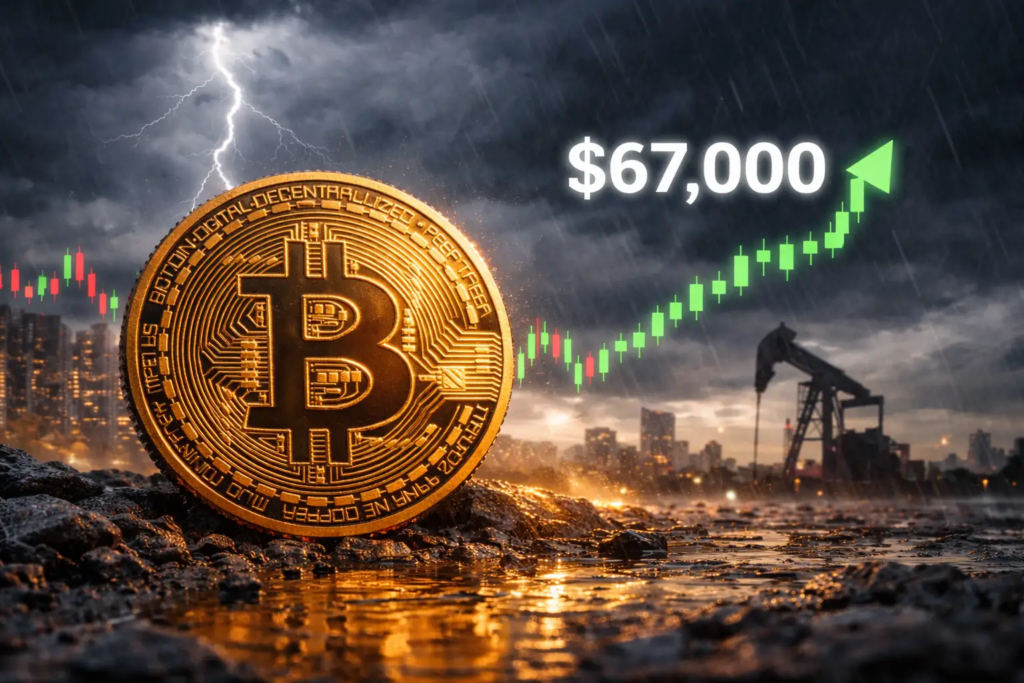
Some analysts suggest that some investors may view cryptocurrencies as a hedge against geopolitical risks. In conditions of instability in traditional markets, a portion of capital sometimes moves into alternative assets.
If such an inflow of funds is indeed taking place, it may explain the increased demand for Bitcoin at the moment. However, it remains uncertain how sustainable this trend will be. The cryptocurrency market is known for its high volatility, and short-term movements can quickly be followed by corrections.
Meanwhile, the global energy crisis continues to unfold almost in real time. High oil prices inevitably create serious pressure on the world economy. Rising energy costs increase inflation, reduce consumer purchasing power, and raise business expenses. Taken together, these factors may slow economic growth in different regions of the world.
For central banks, the situation becomes especially challenging. If inflationary pressure increases, monetary authorities may face the need to adjust their policy. Some analysts are already discussing a scenario in which the U.S. Federal Reserve may be forced to reconsider its strategy. If rising energy prices begin to threaten economic stability, the regulator may consider easing monetary policy to support the economy.
However, such decisions always carry significant risks, as excessive stimulus can lead to further inflation increases. Thus, the current energy shock is capable of having a long-term impact on global markets. Further oil price dynamics, stock market conditions, and central bank responses will largely depend on the development of the geopolitical situation.
For now, financial markets remain in a state of heightened tension, and investors are closely monitoring news from a region that has repeatedly been the source of global energy crises.
All content provided on this website (https://wildinwest.com/) -including attachments, links, or referenced materials — is for informative and entertainment purposes only and should not be considered as financial advice. Third-party materials remain the property of their respective owners.