

The defense market is entering a new scale, and the $1.5 trillion figure no longer looks like a one-time ambition but rather an attempt to define a long-term trend. The initiative by Donald Trump to increase the US defense budget by 40-44% is not simply about “more tanks and ships.” It reflects a shift in the very logic of military spending, where technology is becoming the key driver rather than traditional military power alone.
This is about a systemic reallocation of funds toward missile programs, unmanned platforms, artificial intelligence, and scaling weapons production. The navy and aviation are not disappearing, but they are becoming part of a more complex digital ecosystem. Where defense was once associated with heavy industry and decades-long stable contracts, it is now increasingly resembling a hybrid of the IT sector and industrial manufacturing, where the speed of technological adoption matters as much as production capacity.
Against this backdrop, the market has begun to reprice certain companies quite rapidly. Kratos Defense & Security Solutions has come into focus following an upgraded outlook from Jefferies. Investors are viewing it not as a traditional contractor, but as a growth story within a new technological segment of defense. The roughly +26% upside discussed by analysts is tied not to abstract expectations, but to concrete products and contracts.

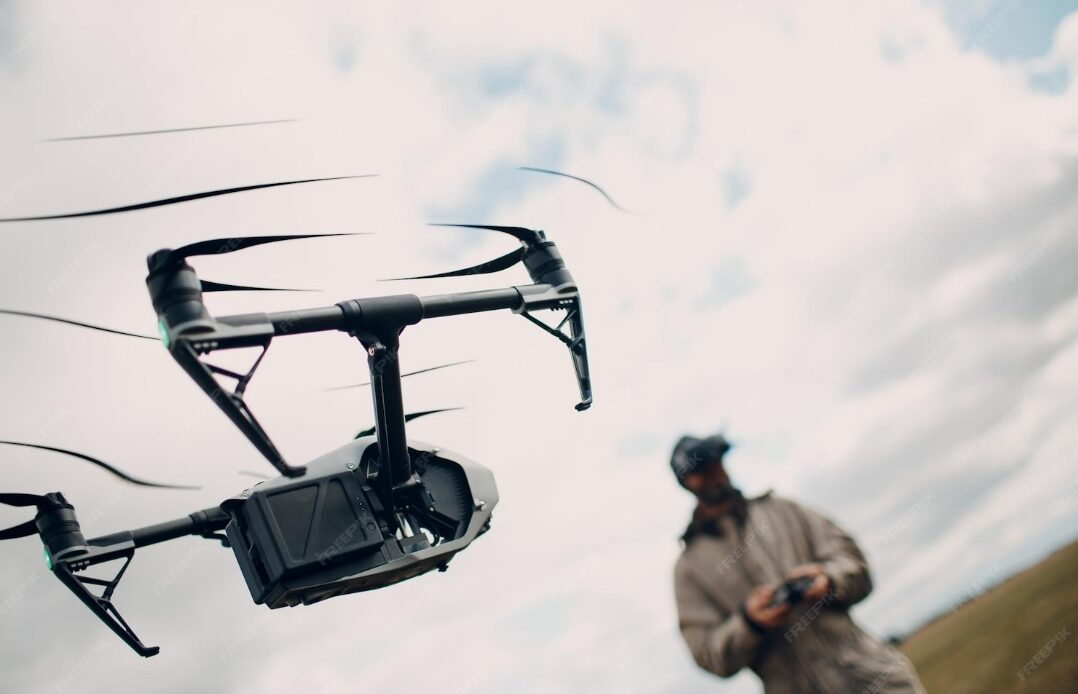
A key driver is the company’s involvement in the development and production of unmanned systems, including the XQ-58A Valkyrie platform. This is not just a drone in the conventional sense, but part of the “loyal wingman” concept, where unmanned systems operate alongside piloted aircraft. At the same time, the company is engaged in hypersonic programs, which are becoming one of the main arenas of technological competition among major powers.
Looking more broadly, what is emerging is increasingly referred to as a “defense supercycle.” Capital is not flowing in for a year or two – it is a decade-long horizon where governments are locking in demand for key technologies in advance. For businesses, this means long-term contracts, predictable cash flows, and the ability to invest in development without constant fear of sudden funding cuts.
For investors, this is a critical point. Defense companies are starting to behave less like cyclical assets tied to short-term budget decisions and more like structural growth stories. This is especially evident in segments related to autonomous systems, artificial intelligence, and precision weapons. That is where the main flow of capital is shifting.
At the same time, risks cannot be ignored. The $1.5 trillion budget remains a proposal and must pass through Congress, where adjustments are likely. Geopolitics, which supports sector growth on one hand, also introduces volatility that can quickly shift investor sentiment. And importantly, many defense stocks have already seen strong gains over the past year, making entries at highs inherently more cautious decisions.
In the end, the picture is fairly clear. The defense sector is no longer just a “safe haven” – it is becoming one of the key arenas of technological growth. Companies like Kratos are not just about military contracts anymore, but about participating in a new architecture of security, where software, algorithms, and autonomous systems are becoming as critical as missiles and aircraft.
All content provided on this website (https://wildinwest.com/) -including attachments, links, or referenced materials — is for informative and entertainment purposes only and should not be considered as financial advice. Third-party materials remain the property of their respective owners.