

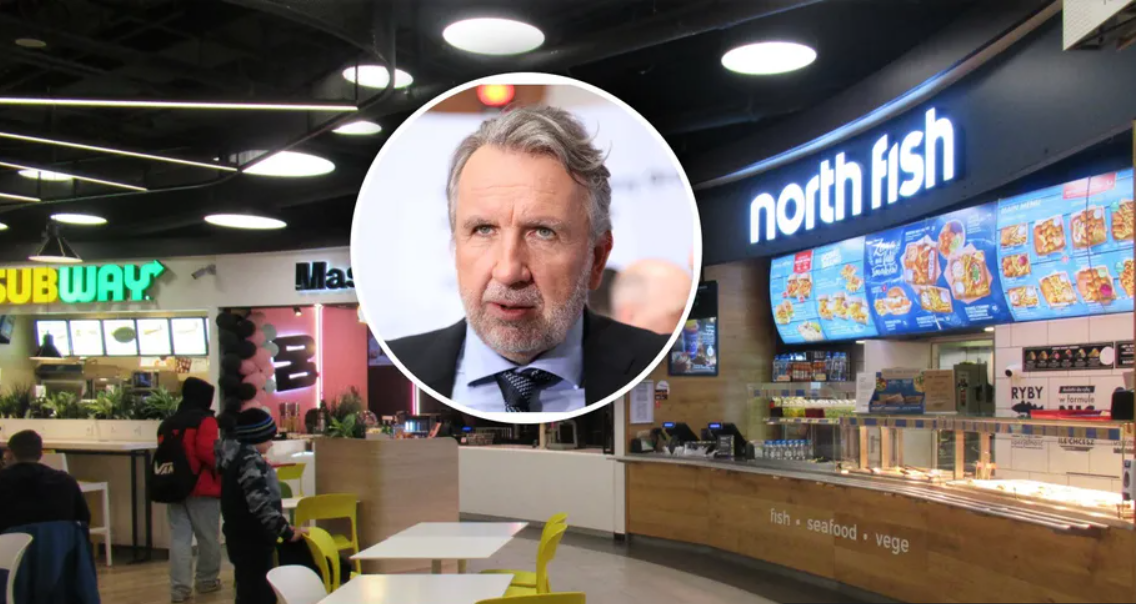
The Polish food service market has gotten used to everything: rising prices, shifting trends, burger lines, and the growing fashion for Asian cuisine. But the news that the North Fish chain filed for bankruptcy still sounded loud. Because this is not a small local business, but a company linked to the richest man in Poland – Michał Sołowow.
North Food, the company that owns the North Fish restaurant chain, officially filed for bankruptcy with the district court in Kielce. This was reported by Gazeta Wyborcza. The court confirmed that the filing is connected to the loss of financial liquidity – in simple terms, the money stopped adding up: expenses are growing faster than income.
Why Did the Chain Sink? The reasons for bankruptcy look quite “classic” for recent years, but no less harsh because of that. The main удар came from several sides at once.
First, the number of customers sharply declined. North Fish traditionally operated in shopping malls, and attendance at such venues has not returned to прежним levels after the pandemic. People started going to malls less often, ordering food online more frequently, or choosing cheaper options. The result – fewer transactions, less revenue, and fewer chances to stay afloat.
Second, the company faced rising operating costs. Literally everything became more expensive: energy, food products, logistics. For a fast-food chain, where margins are not always huge, this is a deadly combination. If fish becomes more expensive faster than customers are willing to pay, the business starts cracking at the seams.
Third, labor costs increased. The rise of the minimum wage in Poland was an important social step, but for the restaurant sector it means additional millions in expenses every year. For a company already struggling with customer flow, this turns into a heavy financial burden.
Financial Losses and the Pandemic Effect. In recent years, North Food suffered serious losses. In 2024 alone, the net loss reached 4.35 million zlotys. This is not just a “bad quarter,” but a stable signal that the business model is no longer working under current conditions.
The pandemic became a separate turning point. Closures, restrictions, and declining traffic in shopping malls all hit the chain, which was built precisely on the поток of mall visitors. Even after restrictions were lifted, people’s habits changed, and it proved impossible to restore the previous demand.
A Restart Attempt and a New President. Interestingly, at the end of 2025 the company tried to strengthen management: the new president of North Food became Paweł Wojnowski, a person with experience working with major international chains – KFC and Pizza Hut. It seemed that such a manager could become a chance for a reboot.
But even experience in global brands does not always save a business when the market changes faster than the company can adapt. The decision to file for bankruptcy shows that management concluded that continuing operations in the old format is no longer possible.
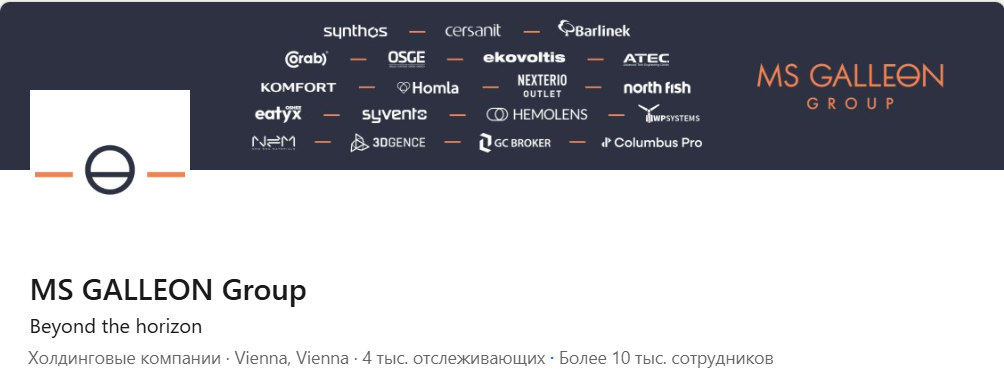
A Billionaire’s Business: Not Only Fish. North Food belongs to the Vienna-based company MS Galleon GmbH, formally linked to Michał Sołowow. Sołowow is an almost legendary figure in Polish business, the richest Pole according to Forbes. His fortune is estimated at 28.1 billion zlotys.
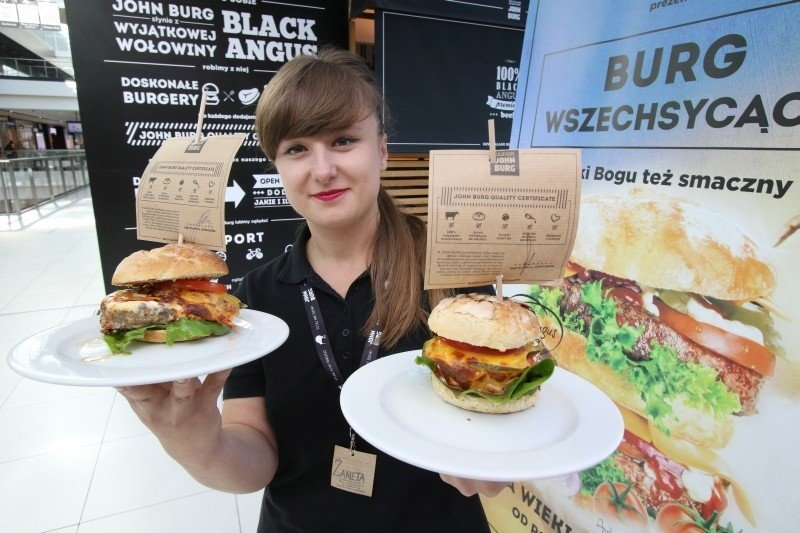
In North Food’s portfolio, besides North Fish, there are other projects as well. For example, the John Burg restaurant in Kielce, where burgers and steaks from certified Black Angus beef are served. This shows that the company tried to diversify, but the main brand still remained North Fish.
The Chain’s History: From Kielce to Shopping Centers Nationwide. North Fish appeared in 2002, when the first restaurant of the chain opened in Kielce. The format was clear and quite unique for Poland at that time: fish and seafood in fast service.
Over time, the chain expanded and became a familiar element of shopping malls across the country. For many, it was “fish fast food” as an alternative to standard burgers. But times change, and even a recognizable brand does not guarantee stability.
Social Consequences: Nearly 200 Jobs at Risk. If the restaurants close, almost 200 employees may lose their jobs. This is one of the most painful sides of such stories: bankruptcy is not only numbers in reports, but also the lives of people who worked in restaurants, kitchens, and logistics.
What Does This Mean for the Market? The North Fish case shows how tough the Polish food service market has become. Rising prices, declining consumer activity, and changing habits after the pandemic create conditions where even well-known chains become vulnerable.
The irony is that even “fish” no longer guarantees a safe harbor. Today, those who survive are not the ones who simply opened a chain, but those who managed to quickly adjust to new realities – online delivery, different formats, and new customer expectations.
North Fish became an example that the era of easy growth in fast food is over. Now the market requires not only a menu, but also strategy, flexibility, and the ability to survive storms.
All content provided on this website (https://wildinwest.com/) -including attachments, links, or referenced materials — is for informative and entertainment purposes only and should not be considered as financial advice. Third-party materials remain the property of their respective owners.