


Artificial intelligence is officially stopping the act of pretending to be an “objective conversational partner” searching for the ultimate truth. The age of naive belief in algorithmic neutrality is coming to an end. From now on, any information you receive from models will have to be viewed as a potentially promotional product. As a suggestion created not by an abstract benevolent machine, but by concrete interests — commercial, political, corporate.
In simpler terms, no matter what Altman says in interviews about mission, safety, and “user priority,” reality is shifting to something more down-to-earth: instead of the best answer, you will increasingly receive the one someone paid for. Not the most useful. Not the most honest. The most profitable.
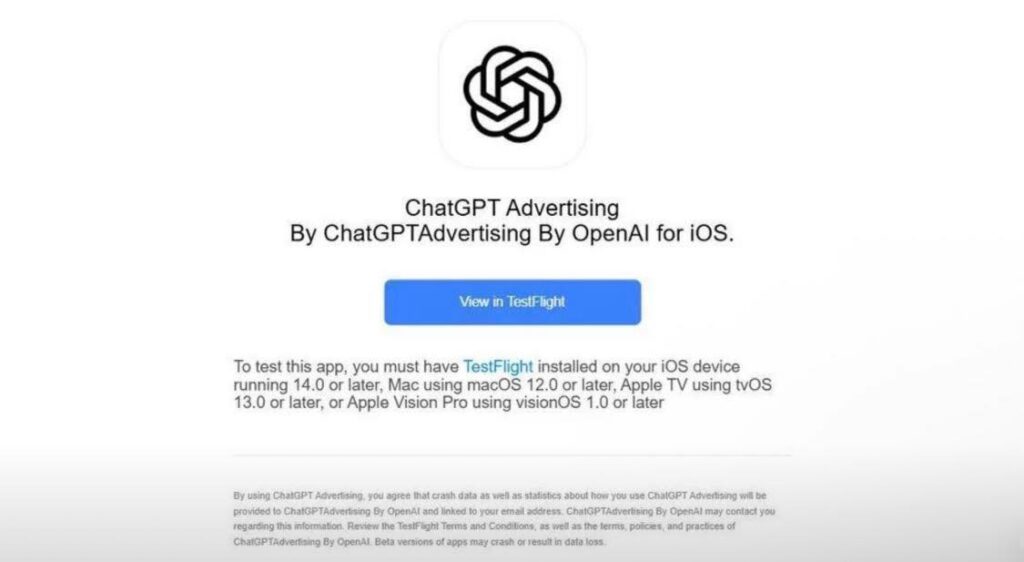
The scenario is already in motion.
Meta launches built-in ads in AI answers starting December 16. ChatGPT is preparing for a similar rollout in 2026.
Other players will follow — the advertising market has never dreamed of such a convenient and intimate format of influence.
Of course, they may offer us very expensive versions without ads — a sort of “elite pass” into the world of honest answers. But even here, the question of trust remains: if the algorithm can now be monetized, who guarantees that “paid honesty” is actually honest? We have seen countless times how companies promise spiritual purity of a product, only for another round of hidden interests to surface.
Meanwhile, advertising technologies are becoming almost scarier than the very idea of “embedded ads.” Advertisers will have data about you — not just demographics and purchases, but years of accumulated psychological maps, behavioral patterns, emotional reactions, and hidden motivations. As a result, you will receive offers so precise and perfectly tailored to you that refusing them becomes almost impossible. Much like in those questionable 90s, when “consultants” worked so skillfully with people’s fears and hopes that people voluntarily signed over their apartments to complete strangers.
And yes: consumption will rise. Especially among those who can least afford it. Because, as always, the technology hits the most vulnerable groups of society. Welcome to the new world, where “freedom of choice” means choosing from what artificial intelligence has already chosen for you.
Below is an excerpt from the CGO War Room that clearly describes what awaits us:
Where the ads will appear: directly inside the text of the answer. No banners, no pop-up windows — pure native integration into the flow of dialogue.
Personalization: hypertargeting based on the context of the chat, request history, preferences, and even emotional state during the conversation.
Display logic: not keywords but semantics. AI determines your intention — and selects an ad message that perfectly matches the purpose of the request.
Formats: sponsored responses, promoted GPT models, built-in action buttons, personalized recommendations disguised as ordinary advice.
Attribution: tracking via session tokens and Conversion API — without cookies, without classic advertising pixels, without the familiar privacy limitations.
In the end: the advertising model of the future will disappear from sight but become more powerful than ever. It will be built directly into language, context, and the structure of your request.
And the main question now is not “how will AI change the world?” but “how will we understand where the answer ends and the influence begins?”.
All content provided on this website (https://wildinwest.com/) -including attachments, links, or referenced materials — is for informative and entertainment purposes only and should not be considered as financial advice. Third-party materials remain the property of their respective owners.