

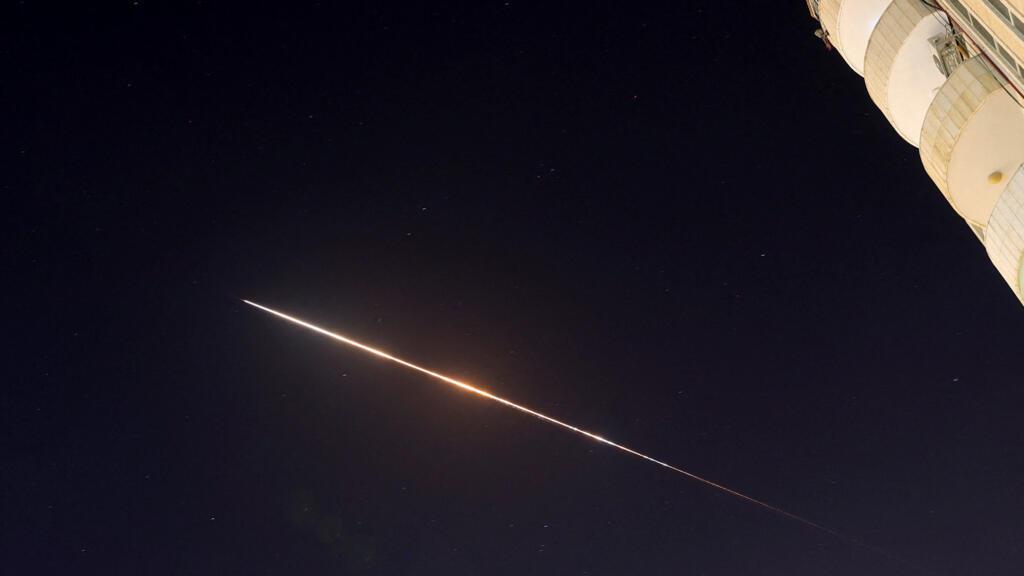
In my opinion, briefly — expensive, painful and with a very unpleasant aftertaste for the entire global economy.
The US has already burned almost $24 billion, and each new day costs about $1 billion — even by the standards of big politics this is not an “operation” but a full-scale financial funnel. 50,000 troops have been sent to the Middle East, 11,500 combat sorties have been carried out — numbers that make even accountants nervously smoke. Against this background, gasoline prices in the US have increased by about 40% since December, and the price gap for oil between the US and the conflict region has exceeded 60% — the market lives by the rule “the closer to the fire, the higher the price.” The probability of impeachment of Donald Trump is already estimated at 72% — a rare case when politics and economics go hand in hand, but toward a cliff. Donald himself, by the way, postponed his visit to China for a month — it seems his timeline plan is about the same.
Now to the main point — why after Iran’s strike on Qatar not only heads but also wallets started to hurt. What happened is already being called the fastest transition to an energy war in history. Israel’s strike on South Pars knocked out about 6-7% of global gas production. But Iran’s response on Ras Laffan in Qatar — that is already minus about 20% of global LNG production and exports. And this is not “somewhere far away” — this is a direct artery of the global economy. The cherry on top is the blockade of the Strait of Hormuz, through which up to 20% of global oil passes. In other words, they didn’t just shut off a tap — they shut off half the kitchen.
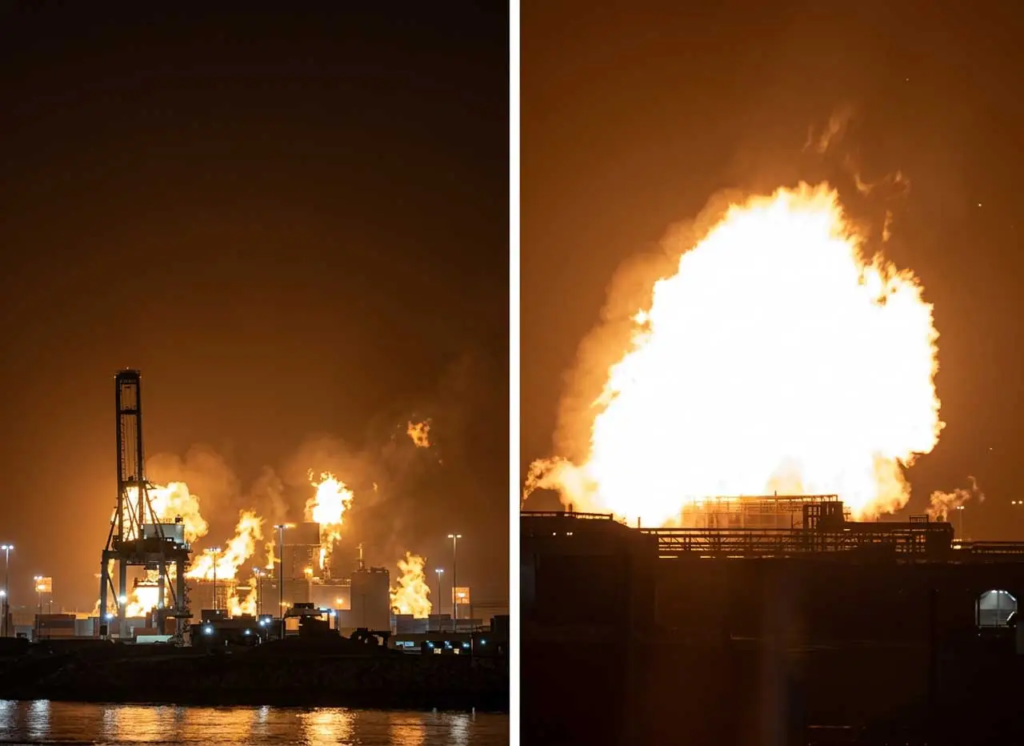
Markets reacted instantly and without sentiment. Brent has already jumped to $107-110 per barrel, and if strikes continue — analysts calmly talk about $120-150. Gas in Asia may jump by +130%, Europe is already seeing spikes up to 50% on certain days. Gasoline in the US is steadily moving toward $4-5 per gallon — hello inflation and unhappy voters. Qatar has stopped LNG exports, Iran is cutting its own production, supplies to Turkey and Iraq are already cracking. At the same time, Gulf countries are evacuating personnel from key facilities — when engineers leave, production also leaves, just into the negative.
Then the domino effect begins. Even if tomorrow everyone suddenly “makes peace,” recovery will take weeks or months. Europe and Asia will literally compete for the remaining gas — especially Japan, India and China. Rising energy prices are already dragging the global economy down by about 0.4% — and that is with oil around $100. Higher oil — slower economy, simple and old as in textbooks no one reads until it is too late. Production, transport, food — everything becomes more expensive. The weakest countries are the first to face food shortages because fertilizers and logistics suddenly become unaffordable.
And the worst-case scenario — if Iran starts implementing threats and strikes all infrastructure in the Persian Gulf. Then the drop in production in the region could reach 70% — and that is no longer a crisis but a global energy shock with consequences for years ahead.
If the conflict drags on for at least a month, the world will most likely not collapse, but living will become noticeably more expensive for everyone. The conclusion is already clear: inflation will spread across all countries, US influence in the region will weaken, and players like China will gain additional points. And the classic ending — if a regime change begins in Iran, it will not be “democracy tomorrow” but chaos for a long time.
In the dry remainder — the war is far away, but everyone pays for it. As always.
All content provided on this website (https://wildinwest.com/) -including attachments, links, or referenced materials — is for informative and entertainment purposes only and should not be considered as financial advice. Third-party materials remain the property of their respective owners.