

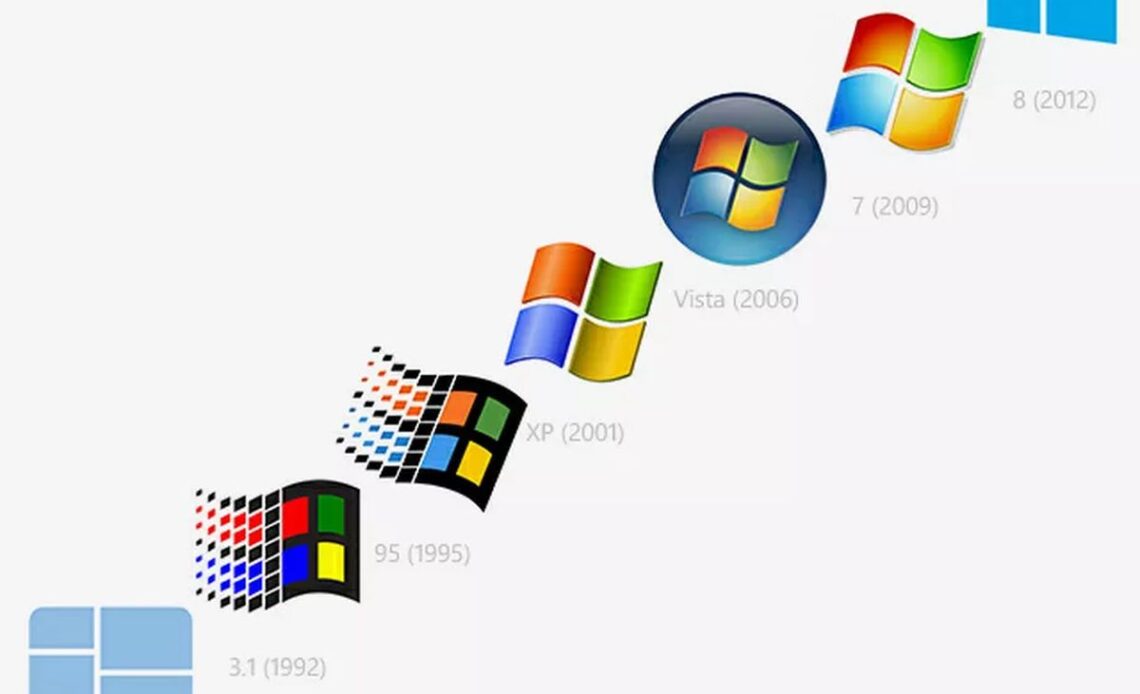
Microsoft has set a deadline that could affect hundreds of millions of computers worldwide. Secure Boot certificates, originally issued back in 2011, are set to expire in just eight weeks. And this is not a formal date on a calendar, but a very real threshold after which some devices may become vulnerable or stop meeting modern security requirements.
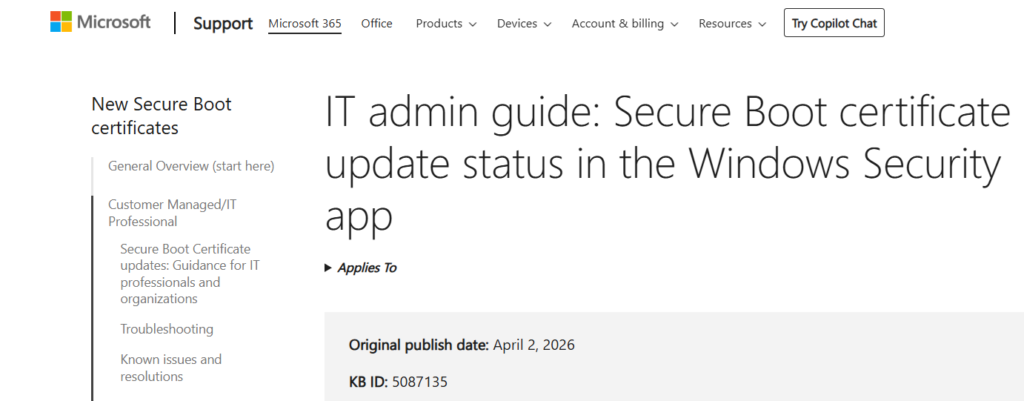
At first glance, everything looks like a routine update – these happen regularly. But if you look deeper, it becomes clear: this concerns a fundamental security mechanism in Windows. Secure Boot is a kind of “system guard” that checks whether legitimate software is being loaded rather than malicious code. And now this guard’s “pass” is expiring.
In itself, the situation is not critical – provided the system is updated. New devices released in recent years have already received up-to-date certificates. Their owners have little to worry about. But if a computer is older, especially if it runs Windows 10, the situation requires attention.
This is where the risk zone begins. Hundreds of millions of Windows 10 devices are gradually leaving support. This means automatic updates may arrive late or not at all. And then what looked like a routine update turns into a problem that the user has to solve manually.
Microsoft has already started distributing updated 2023 certificates via Windows Update. Moreover, the system has become much more “talkative” with users. The Windows Security app now shows the security status: whether the update has been received, whether there are issues, and whether action is required.
This is implemented as simply as possible – through color indicators. Green means everything is fine. Yellow means intervention is required and the system needs updating. Red is an alarm signal indicating a vulnerability. Even someone far from technical details can understand the situation in seconds. And this is perhaps one of the smartest decisions: security is no longer “hidden in settings” but becomes visible.
To sum up:
- Green – everything is fine,
- Yellow – manual update required,
- Red – vulnerability detected
According to industry publications, updates are already available, and in May 2026 Microsoft plans to strengthen its notification system. Simply put, missing the deadline will become harder – the system will start reminding users on its own, sometimes quite insistently.
But why does this matter at all? Because the expiration of Secure Boot certificates is something the mass user is encountering for the first time. Previously, such processes happened “under the hood” and required no attention. Now we are talking about a key element of trust within the system. When certificates become outdated, the verification mechanism becomes less reliable. This does not mean an instant hack, but it opens additional opportunities for attacks. And in today’s digital world, that is already a serious risk.
There is another nuance. Not all devices are physically capable of accepting the update. Some older PCs use UEFI versions that do not support new certificates at the firmware level. In such cases, a standard Windows update may not be enough. For users of outdated systems, the company offers the Extended Security Updates (ESU) program – a paid extension of support. And here a new reality emerges: security is gradually ceasing to be “by default” and is increasingly becoming a separate service.
From a broader perspective, this is a telling moment. Hardware lasts for years, while security requirements evolve much faster. As a result, a gap appears: the device works, but no longer meets protection standards.
Similar situations have already occurred in other ecosystems – for example, in browsers and mobile operating systems, where older devices suddenly lost access to services due to outdated certificates. Now a similar scenario is gradually coming to the world of personal computers.
The expiration date is June 2026. Formally, there is enough time. But practice shows: “later” in such matters often turns into “too late.” And while previously updates could be postponed for weeks, this is becoming an increasingly unwise strategy. Because in the new digital reality, security is not a background feature – it is a basic condition for operation.
All content provided on this website (https://wildinwest.com/) -including attachments, links, or referenced materials — is for informative and entertainment purposes only and should not be considered as financial advice. Third-party materials remain the property of their respective owners.