

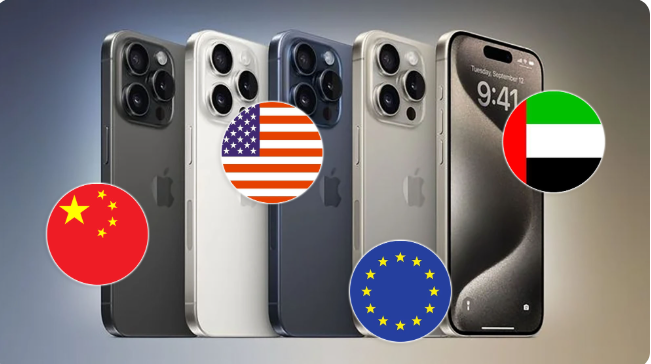
Smartphones in the Apple iPhone lineup may look identical on the outside, but in different regions of the world they can differ significantly. The reason lies not so much in the marketing decisions of Apple as in local legislation, telecommunications infrastructure, and regulations governing digital platforms. The most noticeable differences exist between iPhone models intended for the European and U.S. markets. These differences affect both hardware features and software capabilities.
SIM cards: eSIM vs physical slot
One of the most well-known differences concerns the SIM card format. In modern smartphone versions sold in the United States, Apple has completely removed the physical SIM card slot. For example, models in the Apple iPhone 17 series on the U.S. market operate exclusively with eSIM. This means the user connects to a mobile operator not through a physical card but through a digital profile downloaded to the device. This approach frees some space inside the body of the phone, which can be used to increase battery capacity or place additional components. According to analysts, eliminating the physical SIM slot may increase battery life by up to about 5%. In Europe, most iPhones still include a slot for one physical SIM card while also supporting eSIM, which makes the device more flexible for travel and switching operators.
Differences in 5G networks
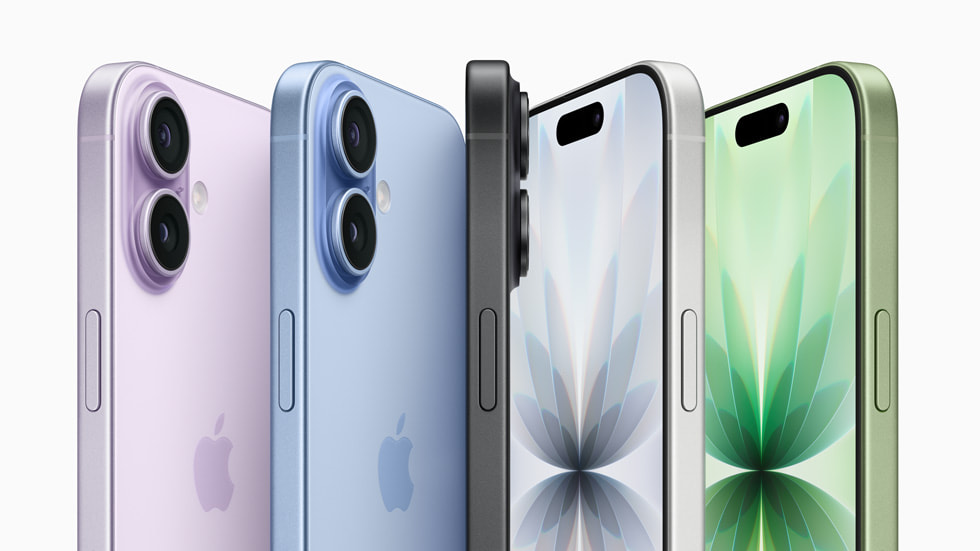
Another difference concerns support for different 5G frequency ranges. American versions of the iPhone support mmWave 5G technology – an extremely high-frequency band capable of delivering very high data transfer speeds. In some cases, speeds can reach several gigabits per second. However, such networks have a limited range and are mostly used in densely populated urban areas. In Europe, mmWave networks are still far less widespread, so most European iPhone models support standard 5G bands without this technology. For everyday users the difference is often hardly noticeable because standard 5G networks already provide very fast mobile internet speeds.
Regional hardware features
In addition to U.S. and European models, other regional iPhone versions also exist. Devices designed for the Chinese market support two physical SIM cards simultaneously, reflecting the structure of the local telecom market. In Japanese versions of the smartphone, the camera shutter sound cannot be completely disabled. This feature was introduced at the regulatory level to prevent covert photography. As a result, although the devices look identical externally, their internal configurations may vary depending on the region where they are sold.
How European legislation changes the iPhone
In recent years, the development of the iPhone has been increasingly influenced by European digital platform regulation. In particular, the Digital Markets Act, which came into force in the European Union, aims to limit the dominance of large technology companies. This law forced Apple to modify several aspects of its ecosystem. After the DMA took effect, the company allowed the installation of third-party app stores that can operate alongside the official App Store. Developers also gained the ability to use alternative payment systems, and users received the option to choose default applications such as a browser or email client.
Changes in new iOS versions
New versions of the iOS operating system continue to expand these capabilities. For example, Apple has been simplifying the process of connecting third-party accessories. Wireless headphones from other manufacturers can now connect to the iPhone almost as quickly as the company’s own Apple AirPods. Developers have also gained broader access to the NFC module, enabling the creation of alternative payment apps and other services. In addition, closer integration of third-party smartwatches with the iPhone is being discussed, whereas previously full notification support was largely limited to Apple Watch.
Differences in software features
Many smartphone features depend not only on the hardware version of the device but also on the region of the user’s account. Sometimes Apple services are available in the United States but not in Europe due to legal restrictions. In other cases the opposite occurs, with new features appearing first in Europe due to regulatory requirements. As a result, two identical iPhones may behave slightly differently depending on the region associated with the user’s account.
Should you care about the iPhone region
In practice, for most users the difference between American and European iPhones is relatively small. U.S. models may have slightly better battery life due to the absence of a SIM slot, but in everyday use the difference is minimal. Support for mmWave networks is also only useful in countries where such infrastructure exists. If a user lives in a region without these networks, the presence or absence of mmWave makes little difference.
Price factor
A more noticeable difference can sometimes be the price. Traditionally, iPhones in the United States are cheaper than in Europe. This is related to taxes, currency exchange rates, and Apple’s pricing strategy across different markets. However, when purchasing a device abroad it is important to consider potential customs duties, warranty conditions, and compatibility with local carriers.
Conclusion
Externally, European and American iPhones look almost identical. The main differences lie in network standard support, SIM card formats, and certain regional software features. In everyday use, however, most users will not notice any major difference. Ultimately, what matters more than the regional version of the device is the Apple ecosystem and the region of the user’s Apple account.
All content provided on this website (https://wildinwest.com/) -including attachments, links, or referenced materials — is for informative and entertainment purposes only and should not be considered as financial advice. Third-party materials remain the property of their respective owners.