

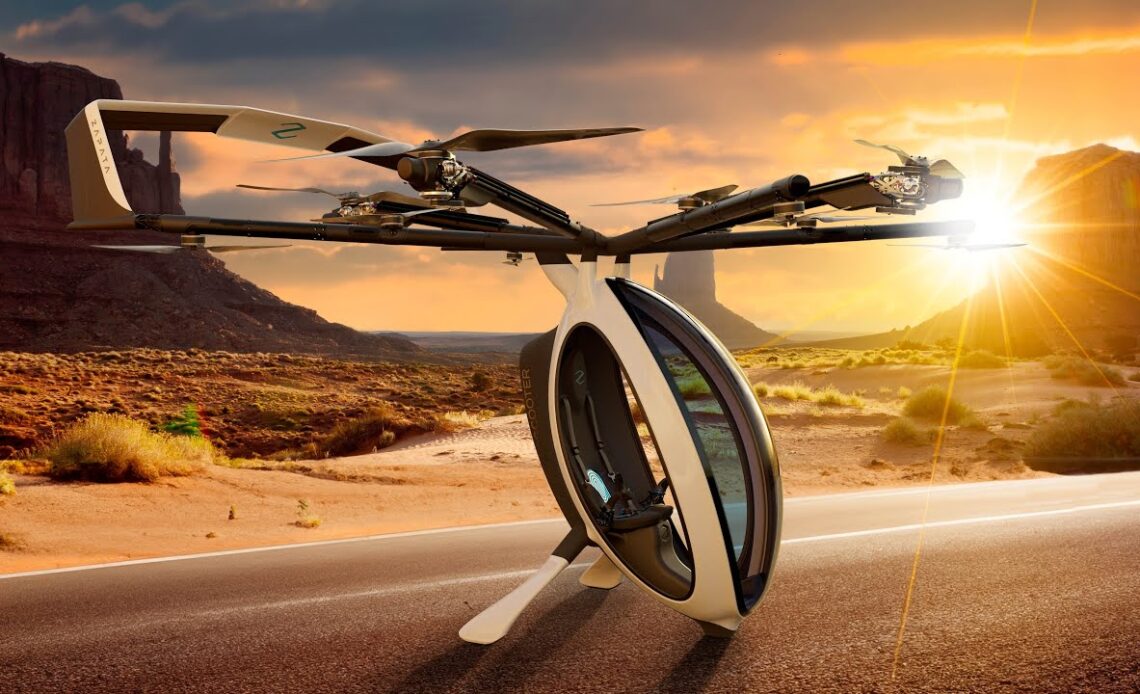
Modern technologies are gradually blurring the boundary between personal transport and aviation, and one of the most striking examples of this transition is the Airscooter — a compact next-generation flying device. The device was developed by the team of engineer Franky Zapata, known for his project Flyboard Air, which previously demonstrated personal jet-powered flight capabilities.
The Airscooter is a hybrid flying device combining elements of a drone, jet-powered transport, and a classic light aircraft. The device weighs about 115 kg, which is relatively light for a transport capable of lifting a person with luggage. The system is designed for a total payload of about 120 kg, making it suitable for one pilot and small cargo. This opens prospects for using it as a personal transport solution for short and medium distances.
Special attention is given to the power system. The device uses a hybrid energy architecture that allows extending autonomous flight time. The claimed endurance reaches about two hours without refueling or recharging. For personal aviation, this is a significant indicator, since most early prototypes of such devices could remain airborne for much shorter periods.
Speed characteristics are also impressive. The maximum flight speed reaches about 100 km/h. Although this is not a record compared to commercial aviation, for urban and suburban travel such speed can significantly reduce travel time, especially in dense metropolitan traffic. In fact, the Airscooter concept aims to create an alternative to ground transport in large urban agglomerations where traffic congestion becomes a serious economic problem.
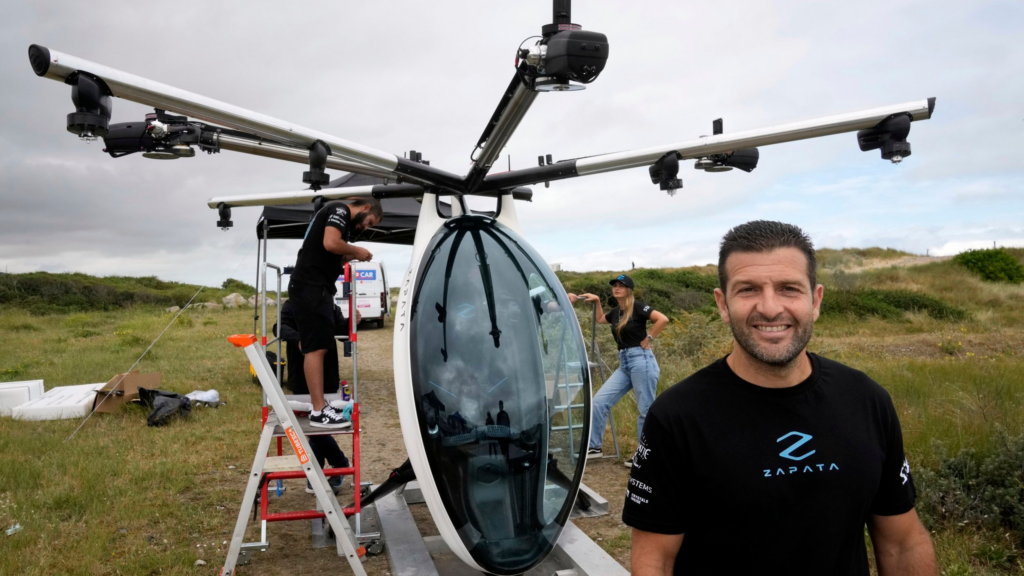
One of the key advantages of the project is its control system. Unlike complex aviation simulators or professional flight training, the device uses digital control with a simplified interface. Developers claim that mastering control takes a relatively short time. This brings the Airscooter usage model closer to personal transport rather than professional aviation equipment.
The legal aspect of operation is also emphasized. According to developers, flying an Airscooter does not require a full pilot license. This fundamentally differentiates it from traditional aviation. The concept is similar to ground transport: driving a car or motorcycle requires a license, while operating a scooter may have less strict requirements. The creators position Airscooter as a mass personal transport of the future based on this analogy.
The device costs about $250,000. On one hand, this is significantly more expensive than a regular car. On the other hand, in the private aviation segment, this price is considered relatively affordable. For comparison, owning a small helicopter can cost significantly more considering maintenance, fuel, storage, and certification costs.
The project engineers focus not only on technology but also on creating a new personal mobility market. In the long term, such devices may become an intermediate step between cars and full urban aviation. Development of battery technologies, automatic flight control systems, and sensor navigation systems may further lower entry barriers.
However, aviation safety experts remain cautiously optimistic. The main issues concern airspace regulation, operational safety in dense urban environments, and human factor risks. Even with automated systems, operating personal aircraft requires high operational discipline and developed landing infrastructure.
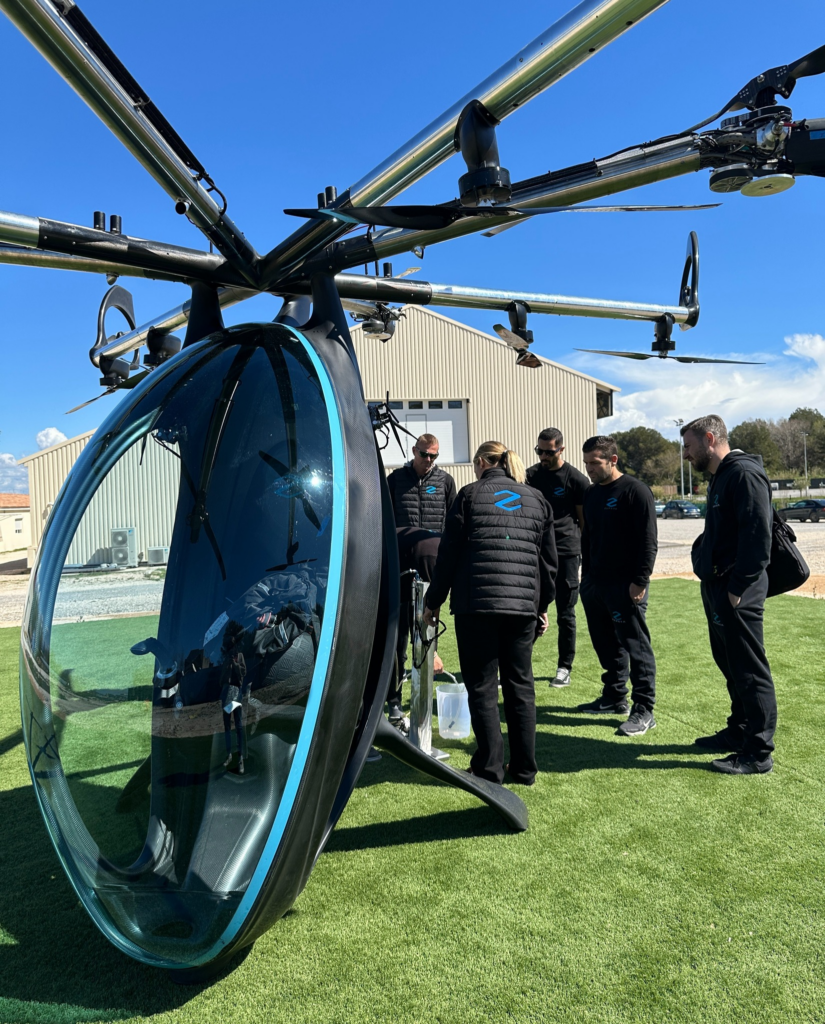
Nevertheless, Airscooter symbolizes a new phase of transport technology development — the transition from mass car ownership to personal air mobility. If such projects become widespread, they could radically change urban transport structure, logistics, and even city planning.
Today such developments look like a technological experiment, but in the future they may become part of everyday transport reality, where the sky gradually becomes another transport highway.
Video of this new device can be viewed in our Telegram channel.
All content provided on this website (https://wildinwest.com/) -including attachments, links, or referenced materials — is for informative and entertainment purposes only and should not be considered as financial advice. Third-party materials remain the property of their respective owners.