

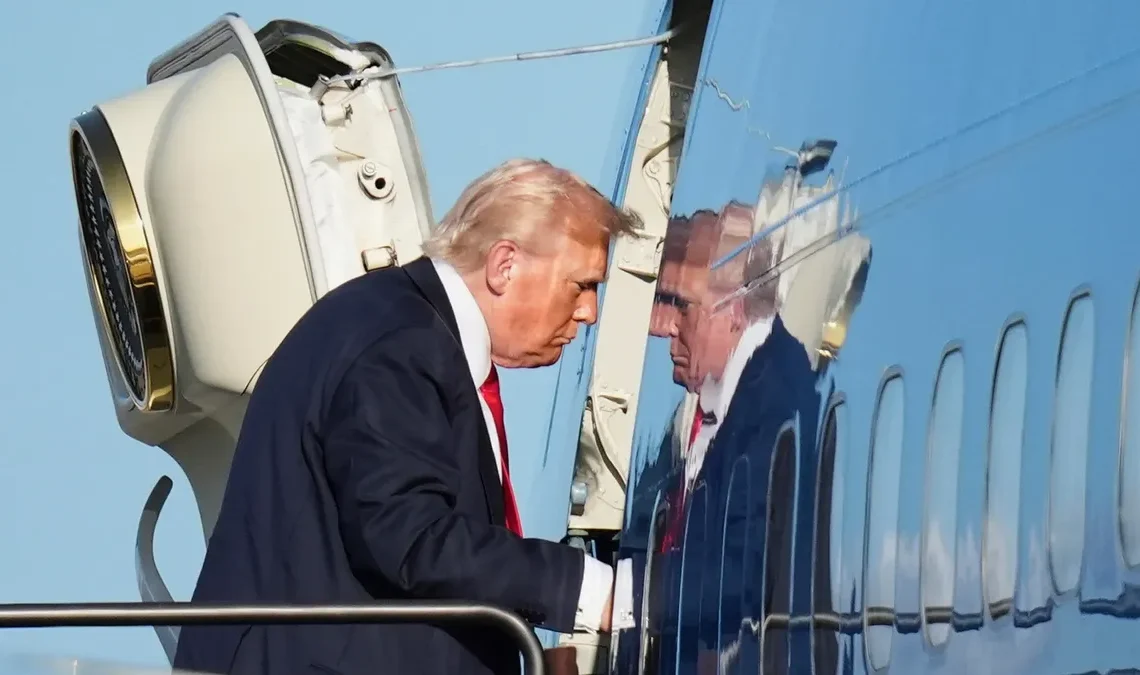
Donald Trump’s announcement of a five-day pause in military actions has become a rare example of how a single political decision can literally change global market behavior in minutes. This is not about a formal ceasefire, but a temporary halt in escalation tied to the negotiation process between the U.S. and Iran, which, according to Trump, has been “successful and productive” in recent days. BBC reports this.
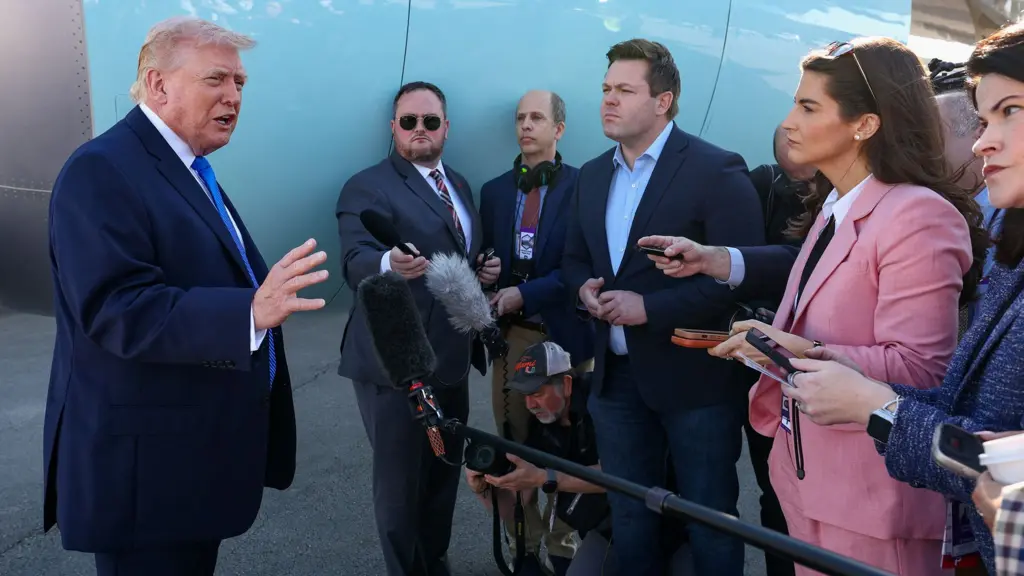
The key point is not the pause itself, but its conditional nature. The U.S. Department of Defense has been given direct instructions to postpone any strikes on Iran’s energy infrastructure for five days, but only if the negotiations continue positively. In other words, the market received not a guarantee of peace, but a window of uncertainty with a chance for de-escalation. And as the reaction shows, that was enough.
Effectively, Trump outlined the scenario that markets had been waiting for: the possibility of exiting the conflict without further infrastructure damage or expansion of military presence. Moreover, the statement mentioned a potential “complete and final resolution of hostile relations” in the Middle East. Even taking this with a degree of political optimism, the mere emergence of such a narrative sharply changes investor expectations.
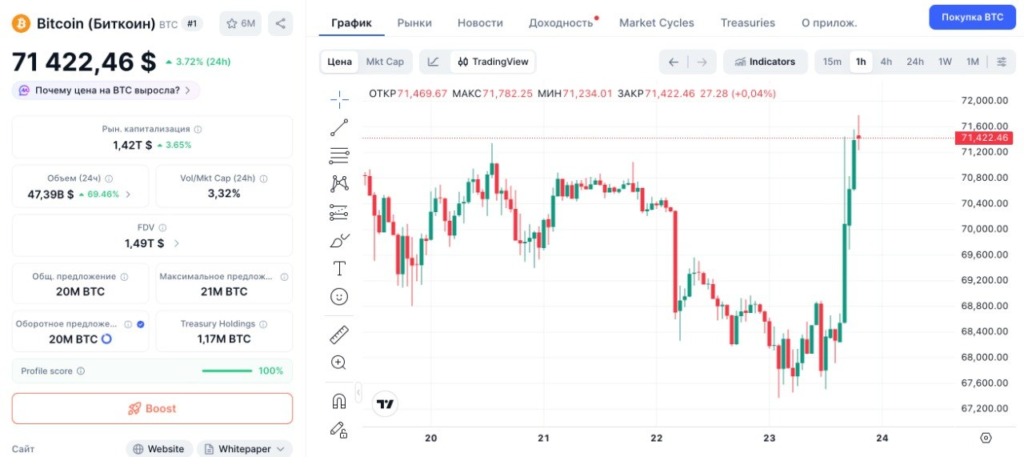
Markets reacted instantly and in sync, which is especially important. Bitcoin literally rose about $4,000 in a short period, climbing from around 67,400 to 71,400. This movement was accompanied by a buying surge: according to analytics, about $425 million worth of BTC was purchased on crypto exchanges at the time of the announcement. Such volume in such a short time indicates that it is not retail investors, but large capital quickly responding to changes in the macro environment.
At the same time, a mirror effect occurred in the commodity market. Brent crude oil fell more than 10 percent in just a few minutes. This is one of the clearest indicators of how strongly geopolitics affects supply expectations. Any threat of disruptions in the Middle East automatically adds a risk premium to prices. Conversely, even a temporary reduction in tension instantly deflates this premium.
This reaction highlights a key feature of the current market: it is highly sensitive to geopolitical signals. Investors are ready to quickly shift between assets depending on whether risk increases or a chance for stabilization appears. In this case, a classic redistribution occurred: capital began moving out of defensive scenarios linked to oil gains and inflation fears and returning to riskier assets, including cryptocurrencies.
It is also worth noting the speed of the movement. This is not a gradual repricing, but a sharp impulse driven by algorithmic trading and instant reactions from institutional players. Such moves are often followed by pullbacks, as partially seen with Bitcoin, but the fact of the impulse itself remains more important than the short-term correction.
It is important to understand that the market is not so much reacting to the pause itself as to the probability of further developments. Five days is an extremely short period in geopolitical terms. If the negotiations indeed lead to de-escalation, the current reaction may be only the first stage of a larger movement. If the dialogue fails, markets will just as quickly return to previous fears, and volatility will increase.
Thus, the situation is illustrative. On one hand, investors received a signal of possible conflict de-escalation, which instantly supported risky assets and eased pressure on commodity markets. On the other hand, this remains a temporary construct, entirely dependent on political decisions in the coming days.
The five-day pause was enough to shift market sentiment but not enough to change reality itself. It is precisely on this delicate balance that all further market dynamics are currently being built.
All content provided on this website (https://wildinwest.com/) -including attachments, links, or referenced materials — is for informative and entertainment purposes only and should not be considered as financial advice. Third-party materials remain the property of their respective owners.