


El Salvador continues to develop one of the most unusual financial and technological experiments of our time — the integration of Bitcoin into the state economic and educational system. The National Bitcoin Office (ONBTC) has introduced an updated educational program, Bitcoin Diploma 2.0, which is set to become the next stage of a large-scale government strategy to promote cryptocurrency among the population, especially youth and school students.
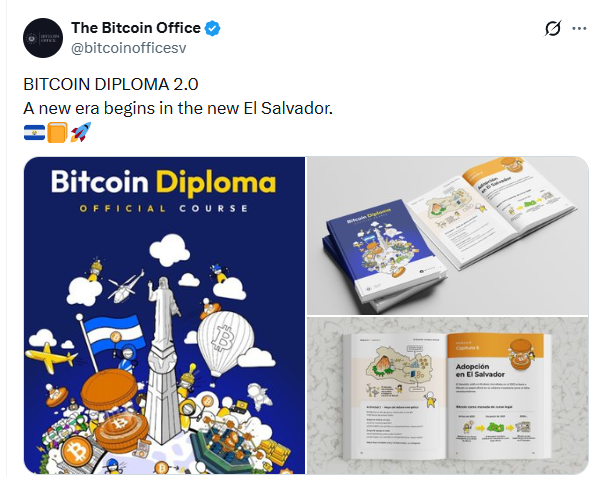
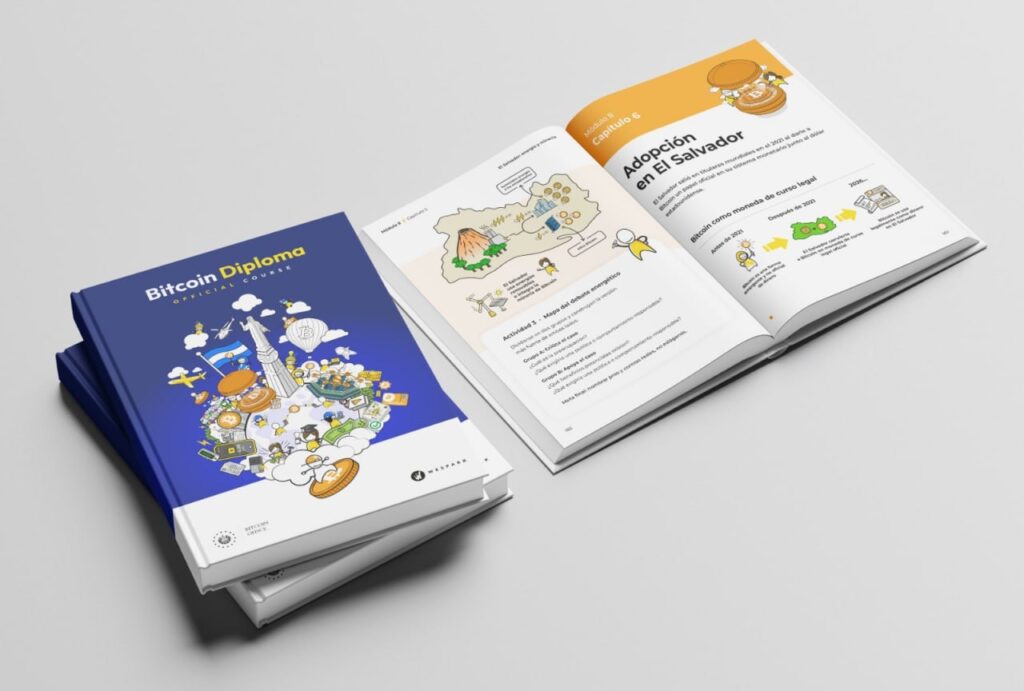
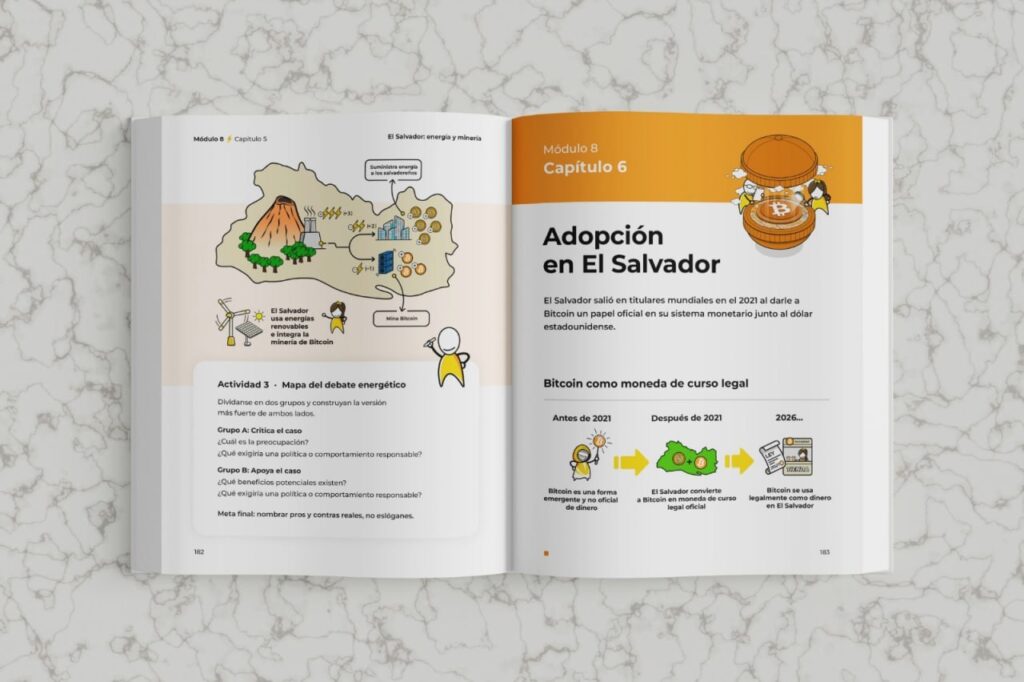
The new version of the educational program continues the “What Is Money” initiative, which was previously used to provide citizens with a basic introduction to financial instruments, economic concepts, and digital assets. The main focus of the new version is practical understanding of economics rather than theoretical financial models. The program’s developers believe that modern financial education should be visual, interactive, and as close as possible to everyday life.
Bitcoin Diploma 2.0 uses modern teaching methods, including animation, interactive diagrams, and real-life cases of digital asset usage. Instead of dry explanations of cryptographic principles or economic models, students are encouraged to study the material through real-life scenarios — paying for goods, international transfers, investment decisions, and personal finance management.
According to Stacy Herbert, Director of the National Bitcoin Office, the program was created to help the younger generation better understand not only cryptocurrency but also the basic principles of financial independence. She emphasized that the program continues the philosophy of the “What Is Money” educational campaign, which aimed to explain fundamental economic concepts through modern digital tools.
The educational initiative is accompanied by the expansion of physical crypto-literacy infrastructure. The National Bitcoin Office is opening new training centers across the country. One of the latest was launched in the city of Panchimalco, and the next stage of infrastructure development is expected to take place in Apopa.
Government authorities emphasize that such projects are part of a broader digital sovereignty policy. The presidential press service stated that these initiatives demonstrate “true independence, high standards, and economic autonomy” through the development of technology and education.
El Salvador became the first country in the world to recognize Bitcoin as legal tender in 2021. The decision was actively supported by President Nayib Bukele.
The policy of cryptocurrency adoption was viewed as a tool for financial inclusion. A significant portion of the population previously lacked access to traditional banking services. The use of Bitcoin and mobile crypto wallets made it possible to expand financial infrastructure without the need for large-scale construction of bank branches.
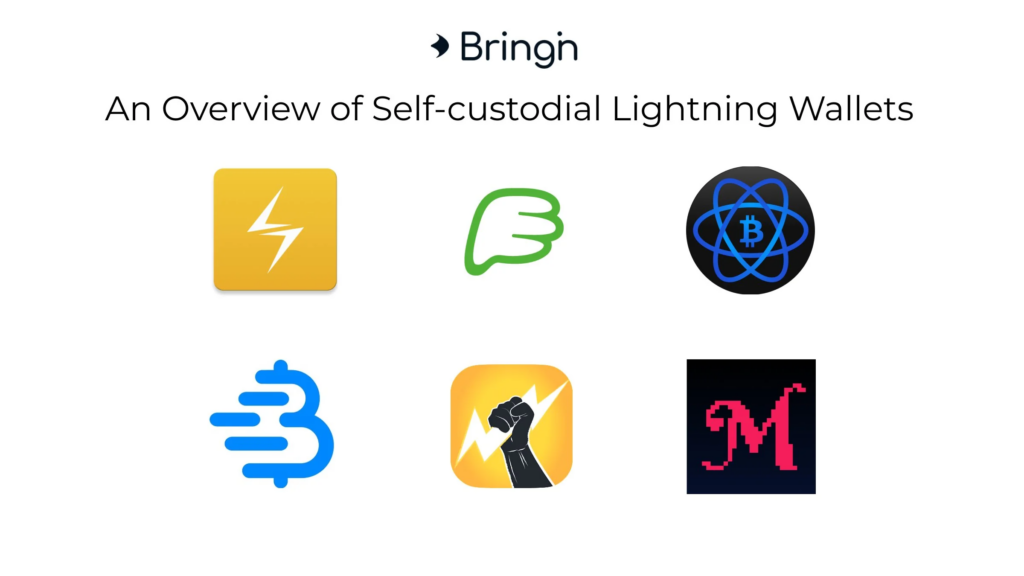
By 2022, the number of Bitcoin Lightning wallet users, according to local media reports, exceeded the number of traditional bank account holders. This became an important indicator of the scale of digital payment adoption in everyday life.
The government is also developing investment programs related to the crypto economy. With the support of stablecoin issuer Tether, the country launched a citizenship-by-investment program based on crypto assets.
The program allows individuals to obtain citizenship by investing $1 million in Bitcoin or stablecoins. This policy is aimed at attracting international capital and high-tech investors interested in developing digital financial systems.
Experts describe El Salvador’s strategy as an attempt to build an alternative model of economic development for countries with limited access to traditional international financing. The use of cryptocurrencies allows bypassing part of the infrastructural constraints of bank transfers, especially in international settlements and cross-border transactions.
Supporters of the policy believe that cryptocurrencies can become a tool for economic modernization, stimulating entrepreneurship and attracting foreign investment. Critics, however, point to the high volatility of cryptocurrency markets and potential risks to public finances.
El Salvador positions its cryptocurrency strategy as a model of digital sovereignty — economic independence through technological autonomy. The state aims to create a system in which financial technologies become part of national infrastructure, similar to energy or transport.
Educational programs play a key role in this strategy, as the implementation of new financial technologies is impossible without establishing basic financial literacy among the population.
Bitcoin Diploma 2.0 could become a model for other countries interested in integrating digital assets into state educational systems. If the experiment proves successful, it may influence approaches to financial education in developing economies.
Thus, El Salvador’s educational program is not merely a training course, but an element of a large-scale economic experiment where education, technology, and public financial policy are combined into a unified digital development strategy.
All content provided on this website (https://wildinwest.com/) -including attachments, links, or referenced materials — is for informative and entertainment purposes only and should not be considered as financial advice. Third-party materials remain the property of their respective owners.