

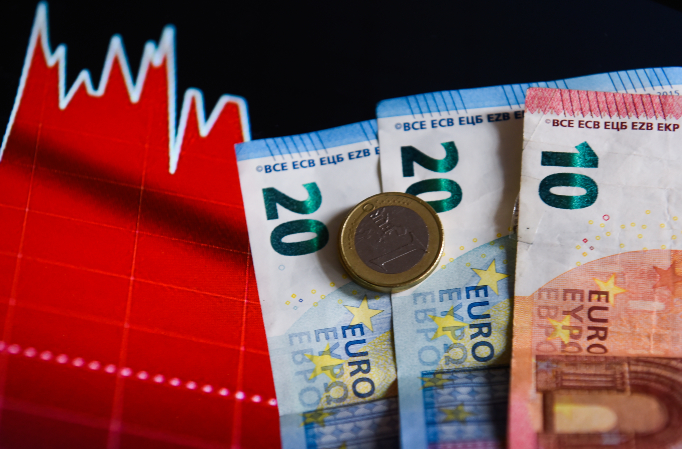
European stock markets are showing synchronized declines amid escalating geopolitical tensions and growing investor concerns about the outlook for the global economy. The sell-off is broad-based, affecting both key national indices and individual sectors that are most sensitive to external shocks.
In France, the Paris stock exchange index is losing around 2.36%, reflecting a general deterioration in investor sentiment. In Germany, the Frankfurt market is down approximately 2.29%, demonstrating comparable dynamics. The British market appears somewhat more resilient; however, London is also recording a decline of about 0.93%. Thus, the downturn is covering virtually all of Western Europe, indicating the systemic nature of the pressure.

The tourism and aviation sectors are suffering particularly strongly — traditionally among the most vulnerable during periods of instability. Investors are pricing in the risks of reduced passenger traffic, possible restrictions on air travel, rising fuel prices, and declining consumer activity.
Shares of Air France-KLM are falling by more than 7.4%, reflecting concerns about future flight occupancy and business margins. The stock of hotel group Accor is losing around 9.46%, marking one of the deepest declines among major European companies. This signals that the market expects a slowdown in tourism activity and business travel.
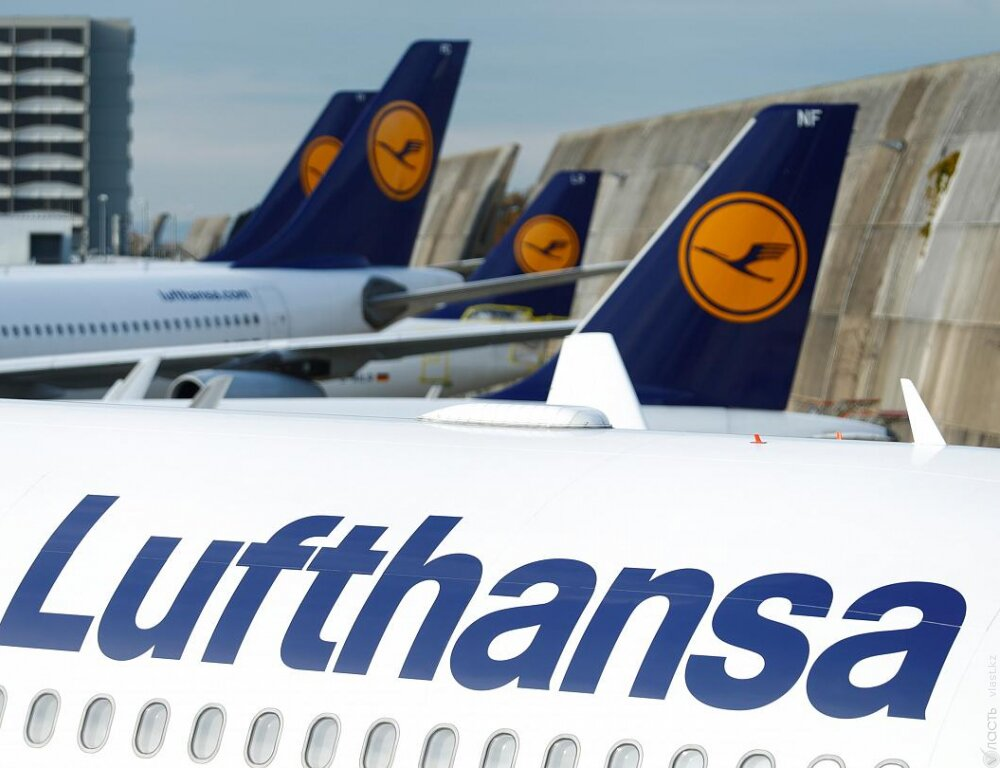
In Germany, Lufthansa shares are down about 7.57%, while tour operator TUI is losing roughly 6.66%. Pressure on these companies is intensifying not only due to potential demand contraction but also amid possible increases in operating costs, including insurance, logistics, and fuel.
The aviation sector is traditionally viewed as a barometer of global stability: any signs of military escalation, security threats, or disruptions in energy supplies are immediately reflected in share prices. The current dynamics show that investors prefer to reduce positions in cyclical assets and move into more defensive instruments.
If tensions persist or intensify, pressure on European markets may continue, and volatility is likely to remain elevated. Market participants will focus not only on corporate earnings reports but above all on geopolitical developments and the response of global regulators.
All content provided on this website (https://wildinwest.com/) -including attachments, links, or referenced materials — is for informative and entertainment purposes only and should not be considered as financial advice. Third-party materials remain the property of their respective owners.