

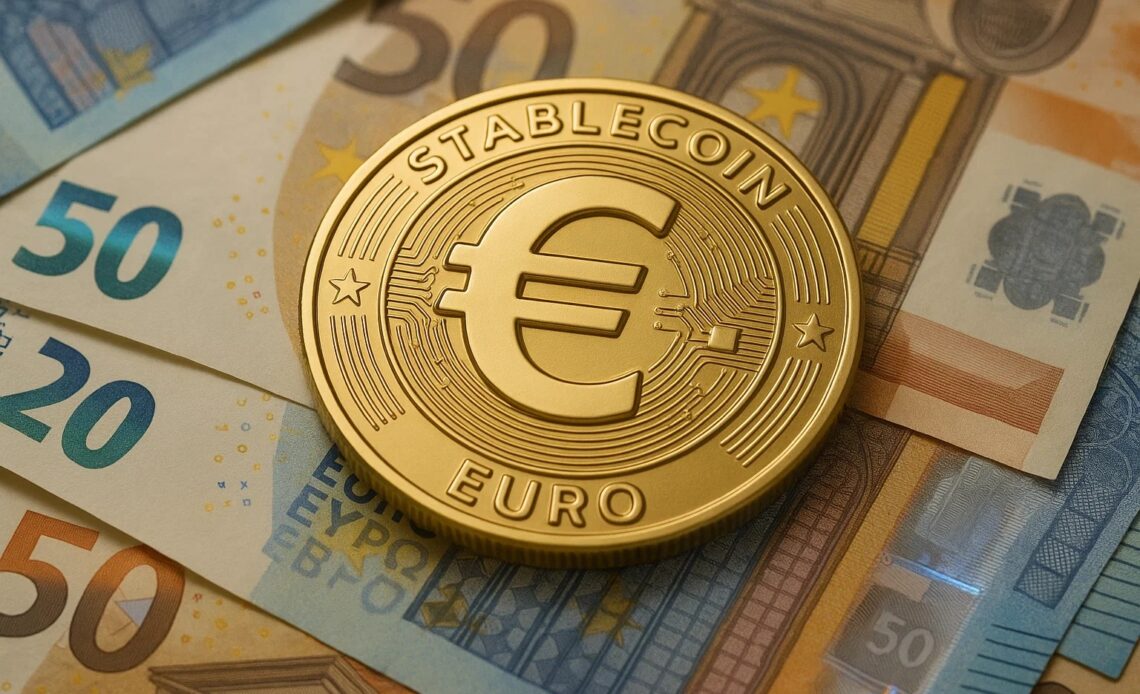
? In 2026, dozens of major European banks plan to issue their own stablecoins pegged to the euro. The first initiative came from Société Générale, which paved the way for other market participants.
Now financial giants are joining the project: BBVA is developing its own token, CaixaBank is forming a consortium with ING and Unicredit, and Santander is exploring the possibility of issuing a coin pegged to G7 currencies together with Citi, Bank of America and Goldman Sachs.

Why are stablecoins interesting to banks?
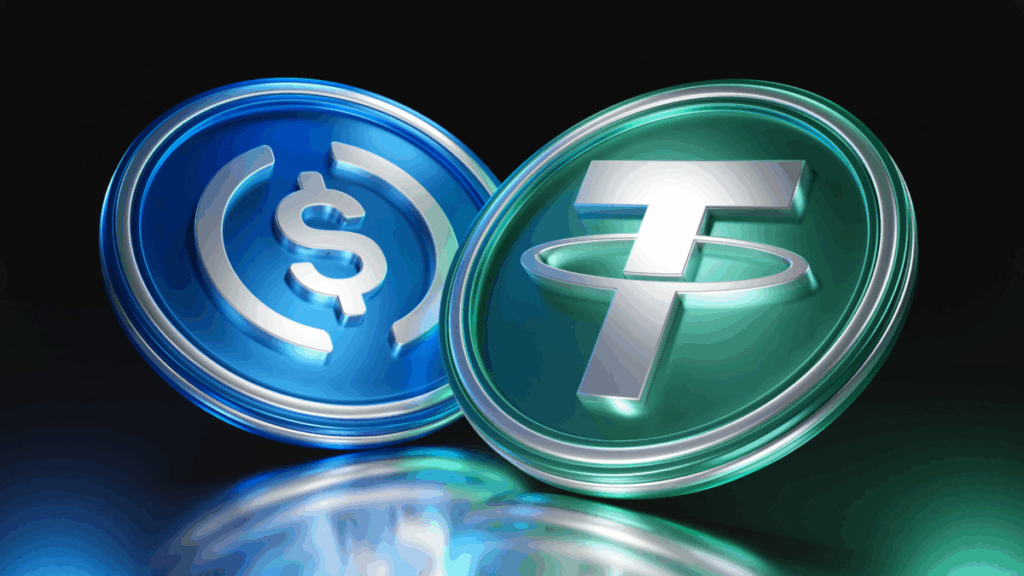
Stablecoins have already become the “entry point” for traditional banks into the world of cryptocurrencies: the market for these coins grew to about €263 billion in 2025 compared to €156 billion in 2024. At the same time, 99% of today’s volume is made up of dollar tokens issued by private companies like Tether and Circle.
Such concentration worries eurozone regulators, as they fear the outflow of savings from the euro system, reduced influence of central banks on monetary policy, and increased dependence of Europe on American technologies and financial platforms.
The idea of “euro-stablecoins”, issued by European banks themselves and supervised by central banks, appears safer: it’s a way to simultaneously reduce the dominance of American players and maintain control over financial infrastructure. As regulators note, it is easier to work with banks — “we know them well and we control them ourselves”.
It’s important to understand that regulators and banks do not plan for Europeans to start massively paying with stablecoins in stores tomorrow. The main interest is focused on wholesale transactions and cross-border settlements between companies and banks.
Today international transfers take 2–5 days, pass through a chain of intermediaries and are expensive. Consulting estimates show that using stablecoins may reduce fees by up to 99% and shift settlement speed to “seconds instead of days”.
Connection with the digital euro and the pan-European payment system
The European Central Bank (ECB) is actively promoting the digital euro project, expected around 2029. In parallel, banks dream of creating a “pan-European Bizum”, meaning a unified payment network for EU countries.
In other words, Europe is rebuilding its financial infrastructure comprehensively:
- through regulation (MiCA and other laws),
- through bank-issued stablecoins,
- through the digital euro and integrated payment networks.
This makes the system more transparent, secure and less dependent on external players while speeding up and reducing the cost of financial operations.
What will this provide for consumers and businesses?
- Fast and cheap transfers — money between countries and continents will arrive almost instantly.
- Simplified cross-border business processes — companies with European and Latin American exposure (for example, Spanish firms) will be able to perform transactions more easily and cheaply.
- Leading role of Spanish banks — BBVA, Santander, CaixaBank and others may become some of the most advanced players in the new financial reality.
Conclusion
Europe is building its financial autonomy by integrating stablecoins into the banking infrastructure, creating the digital euro, and advancing unified payment solutions.
For the average user this means:
- faster and cheaper transfers,
- increased transparency of operations,
- new opportunities for business and investment in European financial projects.
? At the same time, it’s important to understand that these processes are only beginning to develop, and the first results of wide-scale implementation will be seen in the coming years. European banks and regulators make it clear: the future of finance is not only cryptocurrencies, but the integration of them into stable, regulated structures.
All content provided on this website (https://wildinwest.com/) -including attachments, links, or referenced materials — is for informative and entertainment purposes only and should not be considered as financial advice. Third-party materials remain the property of their respective owners.