

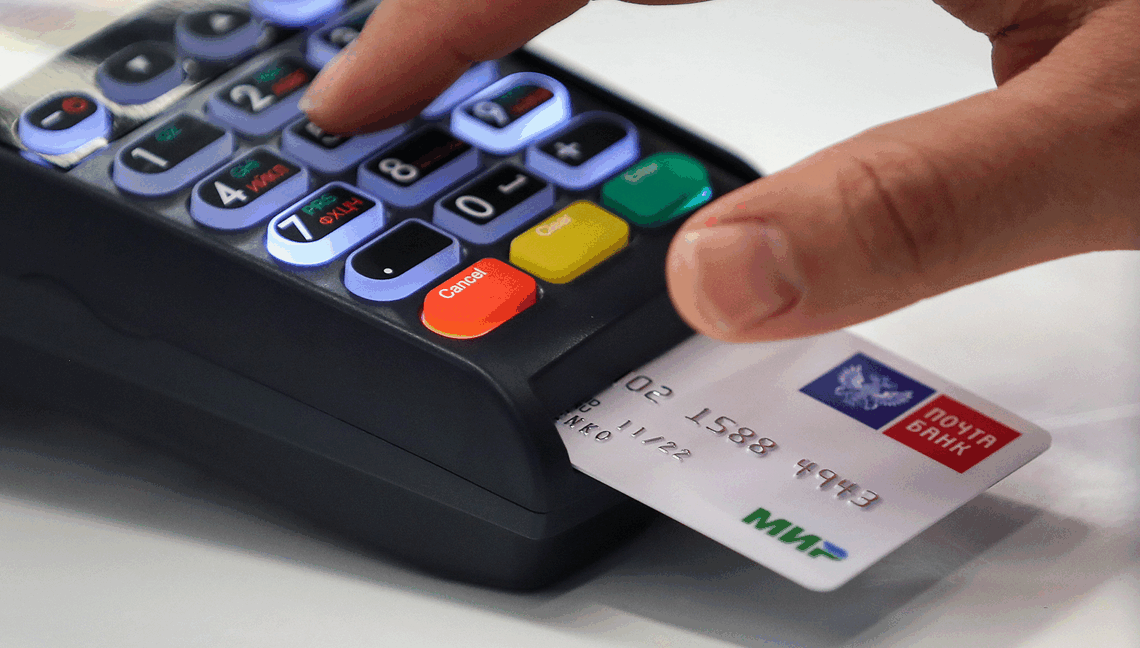
? Possession of a card from a sanctioned Russian bank has become a criminal offense in 12 European Union countries – and this radically changes the situation of Russians living in Europe.
By the end of 2025, EU sanctions legislation reached a new level of severity. What was considered a borderline violation two years ago can now lead to prison terms ranging from 2 to 12 years. Possession or use of a card from a sanctioned Russian bank now falls under criminal liability in twelve European Union countries. This applies not only to Russian citizens, but also to those who have long-term visas, residence permits, permanent residency or even EU passports, if their financial operations are connected with Russian assets.
As of November 2025, 12 countries have already introduced criminal liability for the deliberate circumvention of sanctions:
- Estonia (up to 5 years imprisonment)
- Latvia (up to 5 years)
- Lithuania (up to 8 years)
- Finland (up to 6 years)
- Sweden (up to 6 years)
- Denmark (up to 6 years)
- Luxembourg (up to 5 years)
- Slovakia (up to 12 years in cases of major damage)
- Hungary (up to 5 years)
- Cyprus (up to 7 years)
- Czech Republic (up to 10 years – effective January 1, 2026)
- Poland (up to 12 years for major violations)
This policy is based on an EU directive from 2022, which obliges member states to criminalize any serious evasion of sanctions. As a result, by November 2025 nearly half of the EU introduced criminal measures for using financial instruments of sanctioned Russian banks. In some countries, punishment reaches 10–12 years of imprisonment, especially if the issue involves large transactions or actions that authorities regard as systematic circumvention.
In many other countries, violations are treated as a combination of administrative and criminal liability: from heavy fines and account freezes to deportation and revocation of residency. Thus, European authorities send a clear message – any financial ties with the Russian banking system are considered a security threat and a potential source of financing war, and therefore will be suppressed as strictly as possible.
Full ban on operations with Russian banks
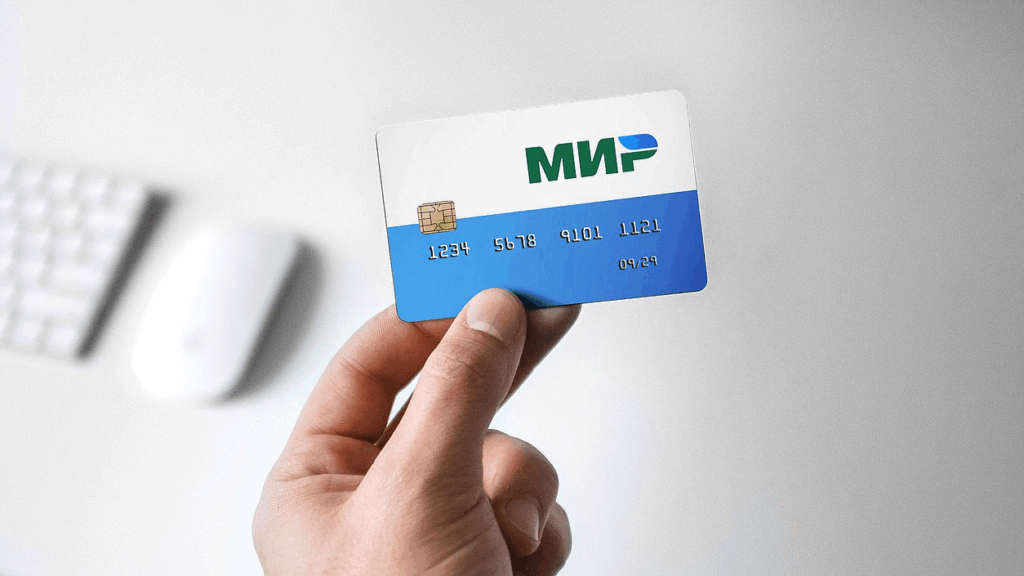
In October 2025, the EU expanded sanctions to an unprecedented scale: a full ban on any transactions with more than fifty Russian banks was introduced, including Alfa-Bank, MTS Bank and other major credit institutions. At the same time, the 19th sanctions package banned the use of Mir payment system cards and any services related to the SBP for any operations involving the EU.
The European Commission clarified its position back in March 2025: receiving a salary, pension or any regular payment to an account or card of a sanctioned bank may be considered sanction evasion if a person resides in the EU for more than 90 days within a six-month period. This provision became critically important for those Russians trying to preserve financial ties to their home country while living in Europe.
Additional rules include the obligation to notify authorities of any transfers from Russian owners exceeding 100,000 euros per quarter. And any transactions through sanctioned banks can result in immediate freezing of funds – sometimes for an indefinite period.
Cryptocurrencies are no longer a safe escape
Not long ago many believed cryptocurrencies were a convenient way to transfer money from Russia to Europe while bypassing banking restrictions. That loophole is now closed. The new sanctions package completely prohibits providing any cryptocurrency services to Russian residents within the EU. The restrictions also apply to those who are formally Russian residents but live in Europe.
In practice this means that opening a crypto wallet, passing KYC on an exchange, or transferring funds via a crypto platform has become impossible – or illegal – for thousands of people. EU banks increased customer monitoring, and any suspicious transactions result in account freezes and demands to prove the legality of funds.
How sanctions work in practice: real cases
The past months brought numerous precedents. Estonia now imposes fines up to 100,000 euros for using Tinkoff cards, and also revokes residence permits. In Latvia, criminal cases are opened for receiving pension payments on a Sberbank card. In Lithuania procedures are even stricter: funds are confiscated and violators can be deported.
In Finland and Sweden banks are required to block operations that “may indicate” sanction evasion. Luxembourg and Cyprus – countries traditionally popular among Russian expatriates – sharply increased checks and now link residency status to compliance with the sanctions regime. Any connection to the Russian banking system becomes grounds for investigation.
What people in the risk zone should do
Under such strict restrictions, receiving income from Russia, paying taxes, transferring savings or even simply possessing a Russian bank card can lead to the most serious consequences: from account freezes to criminal prosecution.
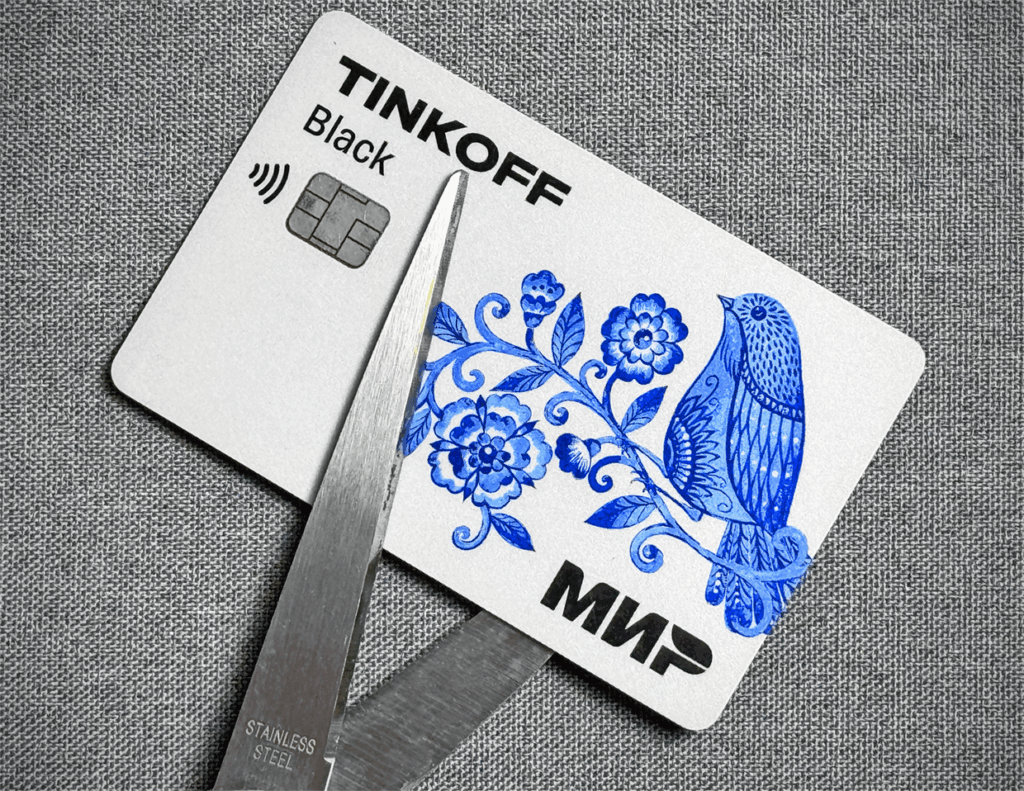
European lawyers note that today exceptions are granted extremely rarely and only when full absence of ties to the Russian military industry is proven. For people residing in the EU, delays become dangerous. The risk is not limited to fines or loss of accounts: it may involve deportation and loss of the right to stay in the country. Experts recommend immediately switching to European financial tools and seeking professional legal advice – especially for those who regularly receive funds from Russia.
? The European sanctions regime continues to tighten, and this means that the boundaries of what is allowed will become increasingly narrow. Updated explanations, legislative changes and official positions are available on the website of the EU Council and in the FAQ of the European Commission.
All content provided on this website (https://wildinwest.com/) -including attachments, links, or referenced materials — is for informative and entertainment purposes only and should not be considered as financial advice. Third-party materials remain the property of their respective owners.