


? The European Union is entering a new round of cryptocurrency regulation. Brussels is preparing a legislative reform that may radically change the distribution of powers within the EU financial system: control over crypto exchanges and related services is planned to be centralized and transferred to the European Securities and Markets Authority (ESMA).
Currently, supervision of crypto companies is carried out at the level of individual countries, which creates unevenness and legal conflicts. The EU believes that the time has come to move away from this model and create a single supervisory center.

Why the EU decided to strengthen regulation
The current MiCA regulation sets general rules for licensing crypto companies, but their application remains the task of national regulators. This leads to several problems:
- countries create their own procedures, infrastructure and specialists for working with MiCA — effectively resulting in 27 separate systems;
- licenses issued in countries with more lenient regulation allow companies to access the entire EU market, which worries larger economies;
- the absence of centralized supervision prevents the formation of a unified and competitive financial environment.
ESMA chair Verena Ross confirmed in an interview with the Financial Times: the European Commission is working on changes that will transfer control functions over crypto exchanges, custodians and clearing organizations from member states to ESMA.
According to her, such centralization will allow building a more efficient European system, reducing excessive costs and achieving unified standards for all market participants.

What the reform will affect
If the initiative is approved, ESMA will:
- issue licenses to crypto companies throughout the Union;
- monitor compliance with security and AML (anti-money laundering) requirements;
- ensure a unified approach to investor protection;
- eliminate regulatory gaps between countries.
In fact, this will be a step toward forming a single European capital market, where cryptocurrency services are subordinate to one decision-making center.
What some countries dislike
Not all states support the initiative. The main opponents are small financial centers — Malta, Luxembourg, Ireland and Lithuania.
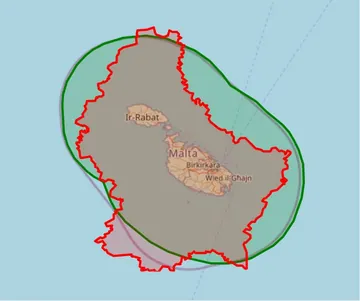
These countries have benefited from MiCA allowing them to issue licenses to companies that then operate across the EU. Major players such as:
They fear that transferring powers to ESMA will deprive them of competitive advantages, and centralized supervision will become “too cumbersome.” The head of Luxembourg’s regulator Claude Marx even called the potential structure a “monster” if it receives authority over all financial sectors at once.

What will change in practice
The transition to unified supervision should:
- eliminate legal gaps between countries;
- increase investor protection;
- simplify access of crypto companies to the pan-European market;
- strengthen transparency and controllability of the industry;
- prevent the use of regulatory loopholes in specific jurisdictions;
- balance competition between states.
A document with updated rules is expected to be presented within the next month, and it will likely become one of the most significant steps in EU crypto-asset regulation since the introduction of MiCA.
All content provided on this website (https://wildinwest.com/) -including attachments, links, or referenced materials — is for informative and entertainment purposes only and should not be considered as financial advice. Third-party materials remain the property of their respective owners.