


On December 2, what seemed almost impossible a year ago happened: the world’s second-largest asset management company, Vanguard Group, officially opened access to trading ETFs and mutual funds based on cryptocurrencies. Bloomberg reports this.
For the market, this event is not just a technical news item, but a symbolic shift. Vanguard had long remained the last major bastion of a classical, ultra-conservative investment approach. And suddenly — a 180-degree turn.
The company allowed trading of:
- spot Bitcoin ETFs,
- Ethereum-based products,
- funds linked to other major altcoins — XRP, Solana, etc.
These are regulated products — registered and compliant with U.S. law, not some risky derivatives.
Why it’s a sensation
Until recently, Vanguard confidently stated that it intended to avoid Bitcoin funds because cryptocurrency allegedly:
- is an “immature asset class,”
- does not align with the company’s long-term philosophy,
- does not fit an approach prioritizing low fees, high predictability, and strict diversification.
The phrase “Vanguard will never trade Bitcoin” was repeated by top managers multiple times. Yet “never” lasted not long.
What changed: the role of the new CEO
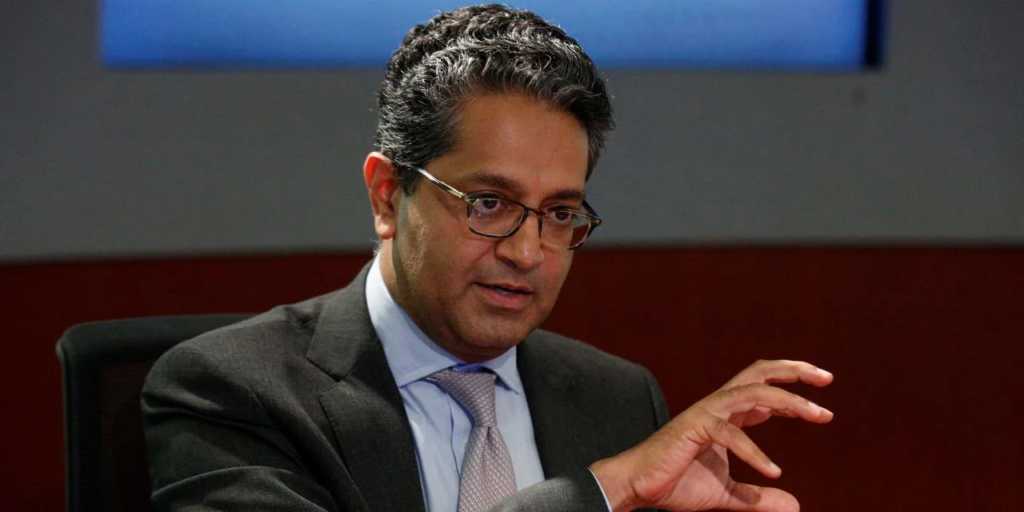
The turning point came less than a year after the arrival of the new CEO — Salim Ramji, a former senior BlackRock executive.
Context matters:
- At BlackRock, Ramji personally oversaw the launch of the spot Bitcoin ETF, which became one of the most successful funds in history.
- He is known as an advocate for expanding product lines and adapting the investment industry to digital assets.
- Many analysts called his arrival at Vanguard a “window into a new era.”
By September, reports emerged that the company was considering providing over 50 million brokerage clients access to regulated crypto platforms — an audience controlling about $11 trillion.
Clearly, resisting the trend became not only difficult but risky.
The BlackRock factor: competitor influence
Vanguard’s main competitor, BlackRock, launched its spot Bitcoin ETF in January 2024. The fund became a sensation:
- assets under management: ~$66 billion (at the time of writing),
- inflows — record-breaking among all ETFs in history,
- market impact — enormous.

Vanguard, in essence, remained the only global company of such scale “standing aside” while competitors rapidly captured the crypto investment market.
It is literally a historic moment for the U.S. securities market.
Why it matters for the industry
Bloomberg notes that even despite the recent crypto market correction, ETFs and mutual funds linked to digital assets remain the fastest-growing segment in U.S. fund industry history.
Vanguard’s move sends a psychological signal to millions of conservative investors, legitimizes cryptocurrencies in the eyes of traditional capital, and confirms: the institutional crypto revolution is irreversible.
Vanguard’s official position: what the company says
Head of brokerage and investment services Andrew Cajeski stated:
“Cryptocurrency ETFs and mutual funds have been tested during periods of market volatility, showing expected results and maintaining liquidity. Administrative procedures for servicing these instruments have matured, and investor preferences have changed.”
In other words, Vanguard acknowledges: crypto is no longer “wild,” processes are organized, demand is stable, and the segment can no longer be ignored.
Despite opening access to trading, Vanguard does not plan in the near future to issue its own Bitcoin ETFs or launch digital asset products, nor to compete with BlackRock in the crypto fund space.

The company maintains a moderate strategy: “if a client wants to trade — we will provide the instrument, but we will not go into production ourselves.”
From November 21 to 28, crypto funds attracted $1.07 billion, ending a four-week outflow streak. This highlights growing institutional activity and reinforces the significance of Vanguard’s decision.
Conclusion
The titan of conservative investing has capitulated to crypto. What happened on December 2 will become an important milestone in financial history:
- the last major skeptic among global asset managers changes position,
- crypto assets are finally entrenched in the traditional financial system,
- investors receive another signal: the era of digital assets is not a temporary fad but a structural shift.
Now even the most cautious market players must recognize the obvious: Bitcoin and crypto instruments can no longer be ignored.
All content provided on this website (https://wildinwest.com/) -including attachments, links, or referenced materials — is for informative and entertainment purposes only and should not be considered as financial advice. Third-party materials remain the property of their respective owners.