

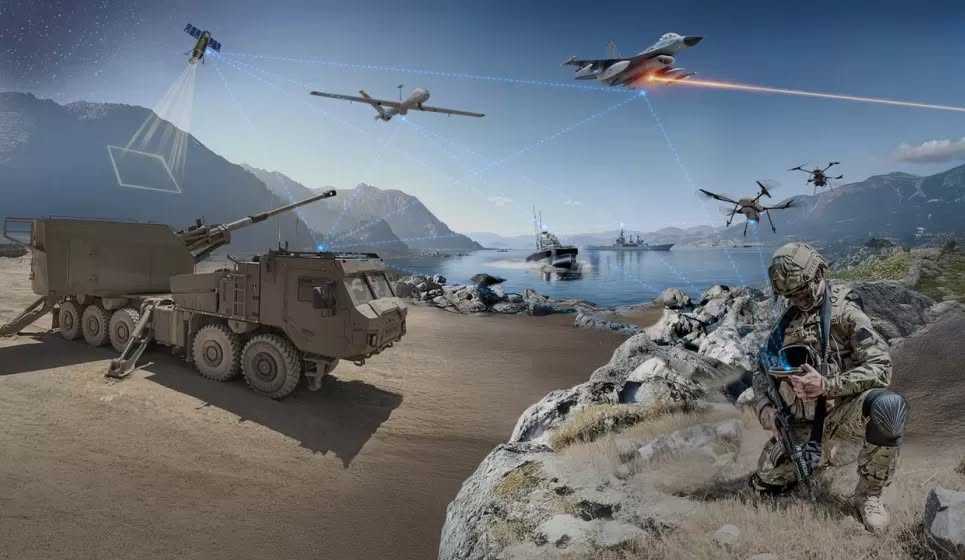
Israeli company Elbit Systems (ESLT.TA) published a financial report according to which revenue for the past year grew phenomenally, reaching $7.9 billion. As a result, the company’s shares gained about 16% in one day and updated historical highs, and since the beginning of the year the growth has already reached about 75%. Such movements are rarely random — they are almost always driven by a combination of strong reporting and an even stronger external backdrop.
Formally, the reason for the rally is quite classic. The company published a report that turned out to be noticeably better than analysts’ expectations. Profit exceeded forecasts, revenue also showed confident growth. For the market, this is a signal that the business is not just staying afloat but actively scaling. But in this case, the numbers are only the tip of the iceberg.
The key growth driver lies outside the company itself. We are talking about a sharp increase in demand for defense products amid escalating geopolitical tensions, primarily in the Middle East. In conditions of instability, states begin to rapidly increase military budgets, which automatically leads to a rise in orders for manufacturers of weapons and technologies.
In the case of Elbit Systems, this is manifested in several directions at once. First, internal demand from the Israeli Ministry of Defense is increasing, which is actively placing orders amid current threats. Second, interest from European countries is growing, as they have been systematically increasing defense spending in recent years. Third, cooperation with the US Army is expanding, which is traditionally considered one of the most stable and profitable areas for defense contractors.
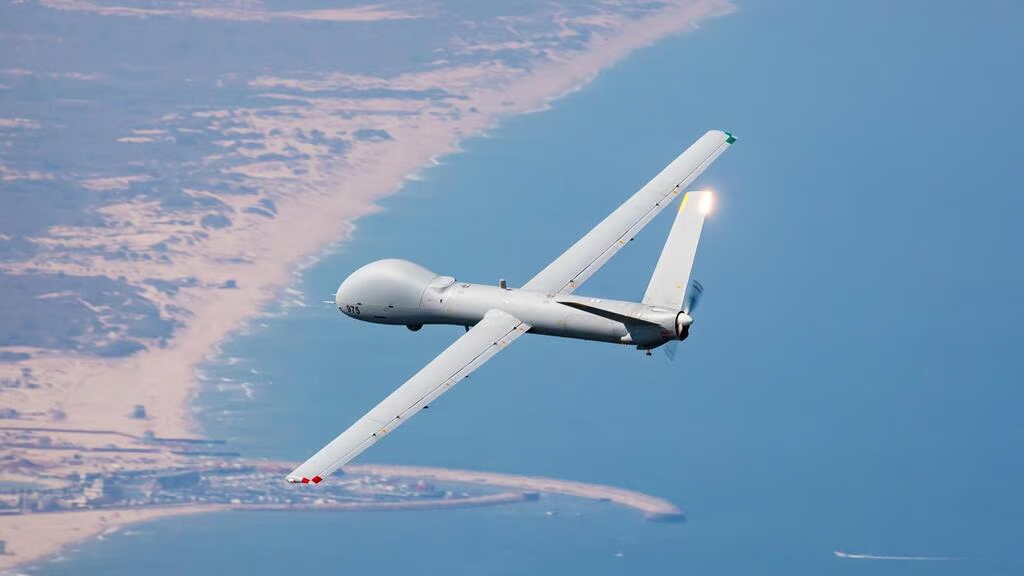
It is important to understand that such growth cannot be called “normal” from the point of view of classical business. This is not a situation where the company found a new niche or launched a revolutionary product. This is growth directly tied to geopolitical tension. And that is why it looks both strong and vulnerable at the same time.
On the one hand, the defense sector is currently in a phase of steady capital inflow. Investors view it as a defensive asset in conditions of global instability. Money goes where there is guaranteed demand from governments, and in current conditions this demand is only increasing.
On the other hand, such growth has quite specific risks. Logistical constraints may slow down contract execution. Political decisions of individual countries can affect exports and cooperation. And most importantly, the main driver — military conflicts — by nature is not a stable and predictable factor for long-term growth. As soon as tensions decrease, interest in the sector may cool down quickly.
A separate point is the current valuation of the shares. After such a sharp growth, the stocks look overheated. The market has already priced in a significant part of positive expectations, and entering at these levels requires increased caution. History shows that even strong trends do not grow in a straight line — corrections are inevitable.
As a result, a typical situation for a “hot” sector emerges. The company is in a strong upward trend supported by fundamental factors and external demand. But at the same time, the price already reflects a significant part of this positive.
A rational strategy in such conditions is not to succumb to the fear of missing out and not to chase growth. A much more balanced approach is to wait for pullbacks and assess whether current levels are justified from a long-term perspective.
The defense sector today is one of the key ones in the market. Capital flows there systematically and, apparently, this trend will continue. But, as in any story where growth is fueled by external crises, it is important to remember: such drivers work fast, but not always for long.
All content provided on this website (https://wildinwest.com/) -including attachments, links, or referenced materials — is for informative and entertainment purposes only and should not be considered as financial advice. Third-party materials remain the property of their respective owners.