


The virtual assets regulator of Dubai, Virtual Assets Regulatory Authority, continues to systematically build rules for the crypto market and has taken the next step — introducing a new regulatory framework for exchange-traded crypto derivatives (ETDs). This concerns a segment that for a long time remained in a gray zone even in developed jurisdictions, but now in Dubai it is receiving clear rules and operating conditions for licensed companies.
According to the update in version 2.1 of the Exchange Services Rulebook, the document подробно outlines how virtual asset service providers (VASPs) can offer derivative products within the emirate. The new rules cover several key areas at once: client suitability assessments, leverage and margin controls, asset segregation, disclosure standards, as well as the regulator’s powers to intervene in case of market risks. Essentially, this is not just about allowing the derivatives market, but about embedding protective mechanisms into it from the outset, mechanisms that traditionally took years to develop in classical financial markets.
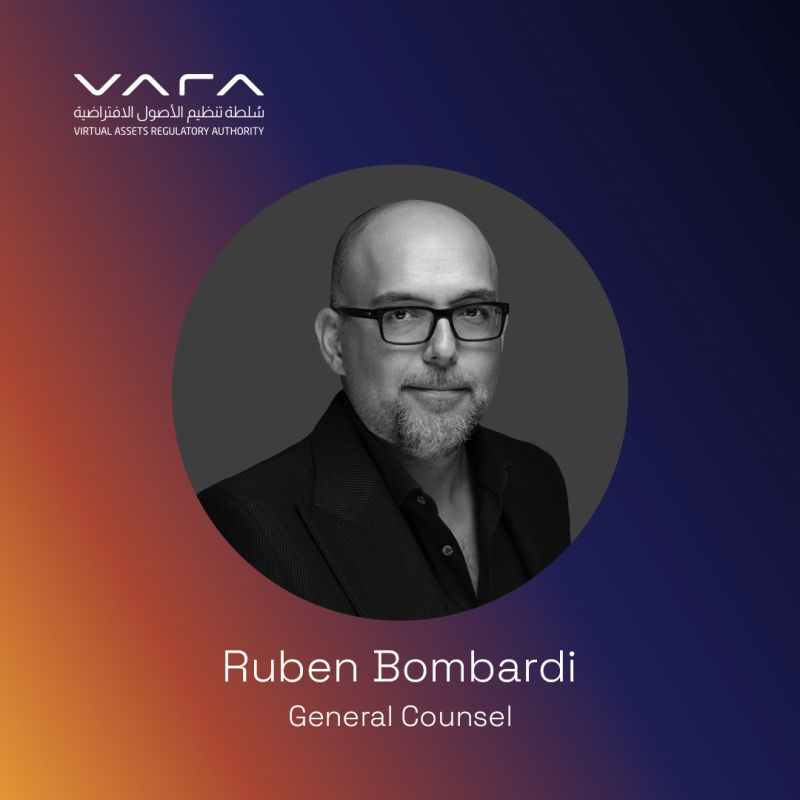
As noted by VARA’s general counsel Ruben Bombardi, derivatives are a natural stage in the evolution of the crypto market, but they require a higher level of risk management. This idea lies at the core of the new model: access is expanding, but control is tightening at the same time.
One of the most notable elements of the regulation is the restriction on leverage for retail investors. Unlike offshore platforms, where users are sometimes offered leverage of 50x or even 100x, Dubai has set a cap at 5:1. This means a minimum initial margin of 20%, which significantly reduces the risk of instant liquidations during market volatility. This approach reflects a fundamentally different philosophy: not maximizing turnover at any cost, but attempting to preserve market stability and protect less experienced participants.
At the same time, access for retail investors is not completely closed, but becomes conditional. To gain the ability to trade derivatives, users must pass strict assessments: their experience, financial position, and risk tolerance are taken into account. Disclosure requirements are also strengthened so that investors understand what instruments they are dealing with. If a product is deemed unsuitable for a particular client segment, the company is required to restrict access to it.
The regulator also retains broad powers for оперативное intervention. In conditions of market stress, VARA can suspend trading of certain products, require forced position closures, increase margin requirements, and strengthen risk management systems, including insurance funds. In urgent situations, even immediate intervention without prior notice is allowed — a measure that highlights the seriousness of the approach to systemic risks.
The new regulatory framework did not emerge from scratch. It is a logical continuation of earlier steps to legalize crypto derivatives in the UAE. Previously, the platform OKX had already launched similar products, but access to them was limited to qualified and institutional investors. Later, a pilot mode involving retail users was tested, where a leverage cap of up to 5x was also applied. The current changes formalize this experience at the level of unified rules and extend it to all licensed market participants.
Thus, Dubai is forming one of the most structured models for regulating crypto derivatives. Unlike jurisdictions where the market develops chaotically, the focus here is on balancing accessibility and control. This makes it possible to attract capital while reducing the likelihood of systemic failures.
In a broader context, this is another signal that the crypto industry is gradually moving from the experimental stage to the stage of institutionalization. Derivatives are traditionally considered a complex and risky instrument, and their regulation is a test of the maturity of the entire ecosystem. Dubai, judging by VARA’s actions, intends to pass this test in advance, without waiting for crises that in other regions often become the starting point for regulation.
The conclusion here is quite pragmatic. The crypto market continues to grow, but along with it the responsibility of regulators is also increasing. VARA’s new rules show that the future of the industry will most likely be built not on maximum freedom, but on clearly defined frameworks where risk remains, but becomes manageable.
All content provided on this website (https://wildinwest.com/) -including attachments, links, or referenced materials — is for informative and entertainment purposes only and should not be considered as financial advice. Third-party materials remain the property of their respective owners.