

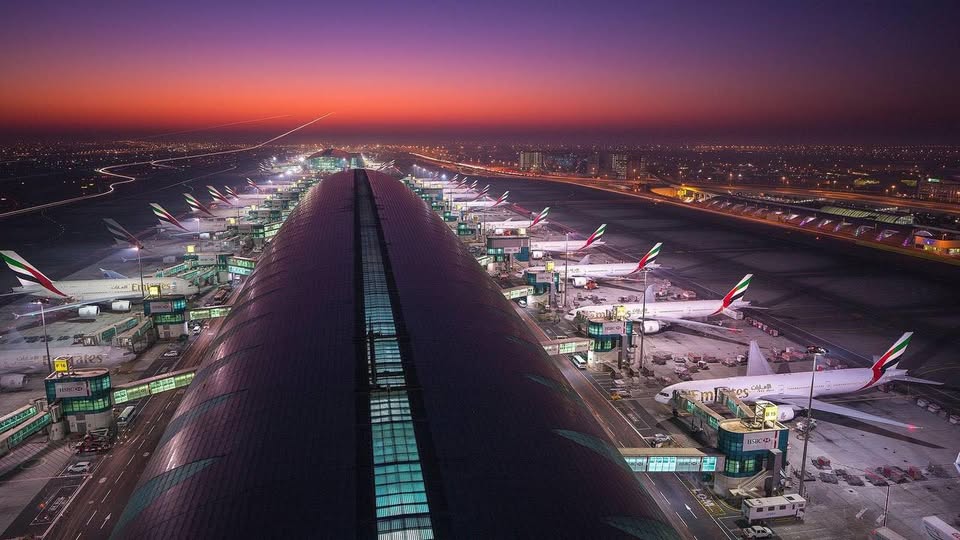
Dubai loses around one million dollars per minute if its main aviation hub stops operating. These estimates were reported by NDTV World, citing local authorities.
According to them, airport downtime results in colossal losses for the emirate — total damage may reach hundreds of millions of dollars per day due to disruptions in air travel, transit, the hotel sector, retail trade, and ground transport infrastructure.
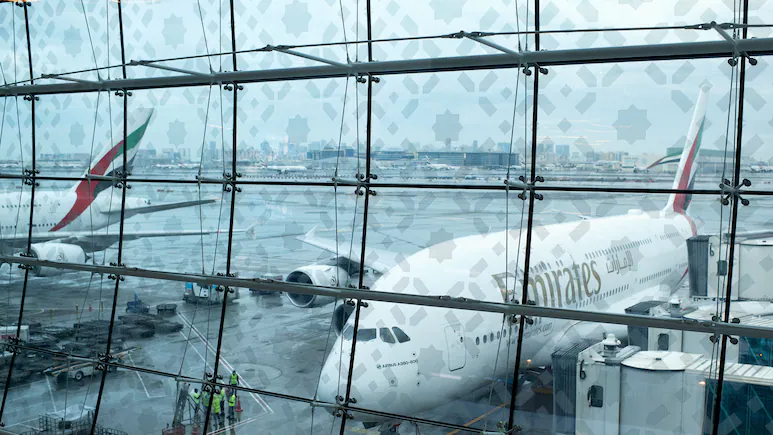
Dubai’s airport is not merely a regional terminal but one of the largest international hubs in the world. It connects more than 260 cities in over 100 countries, serving as a key transfer point between Europe and India, India and the United States, as well as countries in Asia and Africa. A massive transit passenger flow passes through it, with Dubai functioning as an intermediate link on long intercontinental routes.
Any shutdown or serious disruption at such a hub immediately triggers a chain reaction. Airlines bear direct losses, primarily the national carrier Emirates, for which the airport serves as a base.
Canceled and delayed flights mean not only passenger refunds but also excess fuel consumption, parking fees, compensation payments, crew reassignments, and additional logistical burdens.
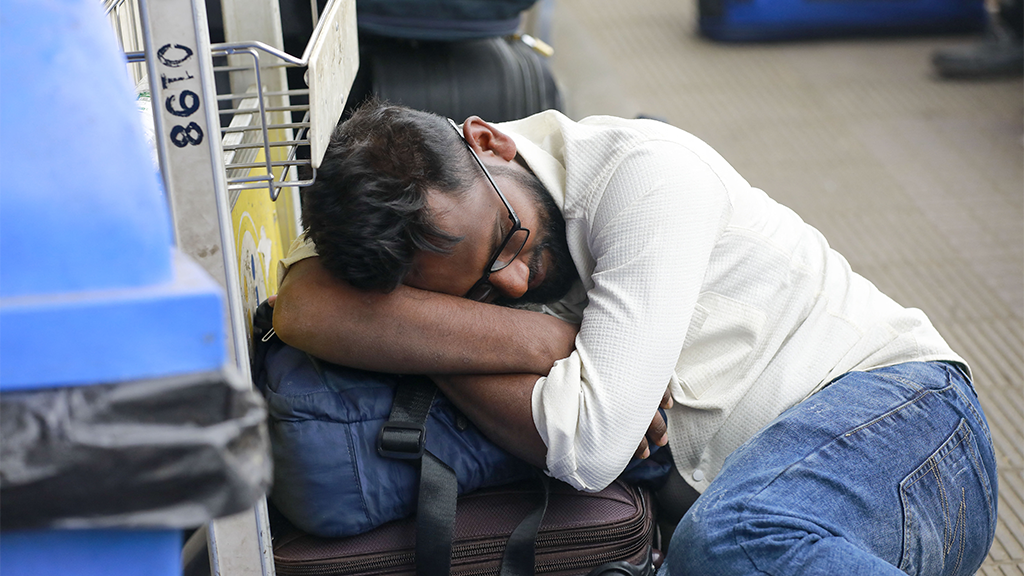
However, indirect losses are often no less significant. Transit passengers who fail to reach Dubai or become stranded do not check into hotels, use restaurant services, or make purchases in shopping malls and duty-free stores.
Given that the emirate’s economy is heavily oriented toward tourism, trade, and services, every hour of downtime affects the revenues of numerous companies — from international chains to small businesses.
Transport infrastructure also suffers: taxis, car rentals, metro services, and logistics companies handling cargo shipments. Dubai has actively positioned itself as a global re-export and distribution center, so disruptions in air traffic affect not only passenger flows but also cargo operations.
The airport’s importance is underscored by international assessments. According to the International Air Transport Association (IATA), prolonged suspension of air services can multiply the financial losses of the industry. Total airline damage in the event of a prolonged crisis could amount to billions of dollars. This creates additional pressure on the aviation industry across the Middle East, where the transit model forms a key part of economic strategy.
A separate risk is associated with reputational costs. If delays and cancellations become widespread and prolonged, this reduces the region’s attractiveness to tourists. Travelers and international corporations may temporarily reroute traffic and business flows through alternative hubs in Europe or Asia. In the long term, this could weaken Dubai’s position as an undisputed logistics center.
The current disruptions were triggered by a sharp escalation of the military conflict in the Middle East. On February 28, the United States and Israel launched a military operation against Iran. In response, Tehran carried out missile strikes on Israeli territory and attacked U.S. military bases in the region. Following this, the airspace of several countries was partially closed or restricted for civilian flights.
Not only the states directly involved in the conflict were affected, but also major regional hubs located in the United Arab Emirates, Qatar, and Bahrain. The economies of these countries largely depend on passenger and cargo transit.
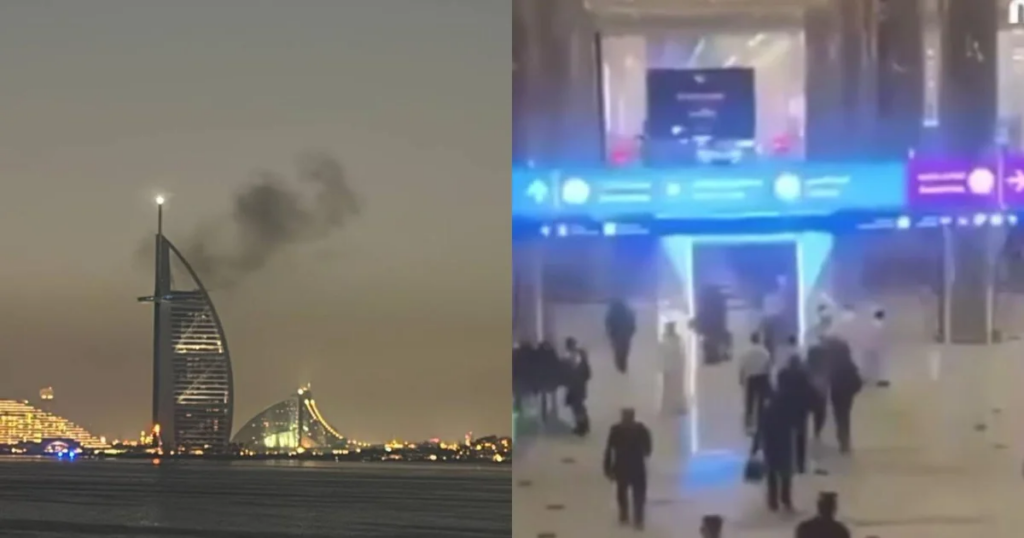
Any flight restriction directly impacts their financial performance. In Dubai’s case, this is not merely a temporary inconvenience but a systemic risk to the entire development model based on openness, international mobility, and high-intensity transport flows.
At the same time, pressure on commodity markets is increasing. Kirill Dmitriev, Special Representative of the President of Russia for investment and economic cooperation with foreign countries, previously stated that amid military conflict in the Middle East, oil prices could exceed $100 per barrel, while natural gas prices might double.
Rising energy prices, on the one hand, boost exporters’ revenues, but on the other, increase airline costs, as fuel represents one of their main expense categories. As a result, a complex picture of interconnected risks emerges.
Military actions affect flight safety. This leads to airspace restrictions, schedule disruptions, and reduced transit. A decline in passenger traffic impacts the hotel sector and retail trade. At the same time, higher oil prices increase airlines’ operating expenses. All of this intensifies economic turbulence in the region.
Further developments will depend on the duration of the conflict and the degree of its escalation. If tensions persist, financial losses may go beyond a temporary downturn and evolve into structural changes in global air traffic routes.
For now, each hour of downtime at the largest hub costs Dubai approximately one million dollars, clearly demonstrating how closely the modern economy is tied to the uninterrupted functioning of transport infrastructure.
All content provided on this website (https://wildinwest.com/) -including attachments, links, or referenced materials — is for informative and entertainment purposes only and should not be considered as financial advice. Third-party materials remain the property of their respective owners.