

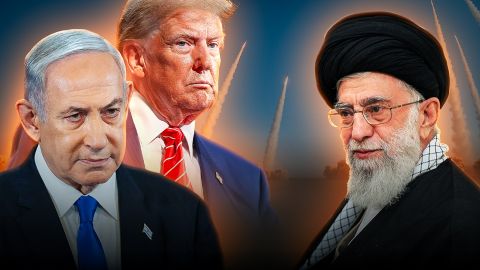
Information about Bitcoin price growth amid rumors about the death of Iran’s Supreme Leader Ayatollah Ali Khamenei is an example of how unverified news and geopolitical risks can influence financial markets.
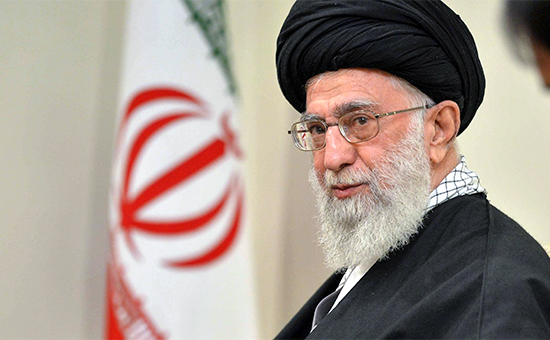
To separate facts from speculation, let’s review what is known as of February 28, 2026.
What is really happening
U.S. and Israel military operation On February 28, 2026, reports emerged that the United States and Israel launched a large-scale military operation against Iran. According to reports, strikes were also carried out near the residence of the country’s Supreme Leader — Ayatollah Ali Khamenei. These reports became the source of subsequent rumors and speculation.
Rumors about Khamenei Through several unofficial channels and social media, messages began circulating that Khamenei may have been killed or seriously wounded during the strikes. However:
- there is no official confirmation of death or serious injury;
- the Ministry of Foreign Affairs of Iran denies such claims, emphasizing that top officials are alive and in their positions;
- Khamenei has not appeared publicly, but this alone does not confirm rumors — absence of public appearances during wartime is not uncommon.
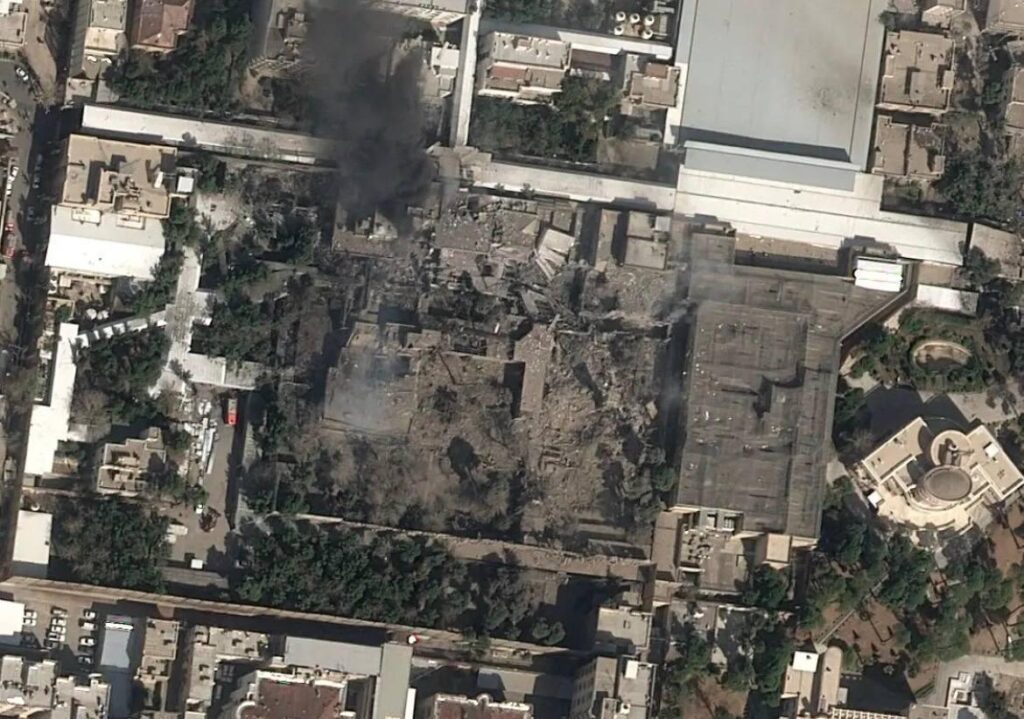
There are photos showing the consequences of strikes on Khamenei’s residence in Tehran. The current location of the Iranian Supreme Leader is unknown.
Strait of Hormuz and tankers
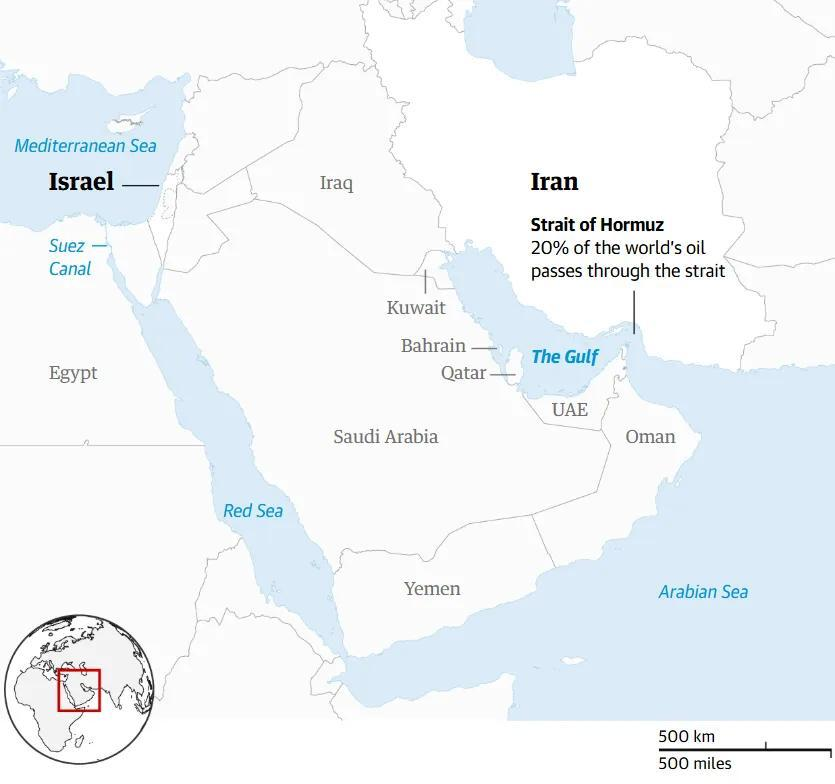
At the same time, claims about the “blockade of the Strait of Hormuz” were spreading — a strategically important sea route for oil tankers. Iran allegedly blocked the Strait of Hormuz, through which about 20% of global oil supplies pass — Israeli Channel 9.
Market reaction and BTC
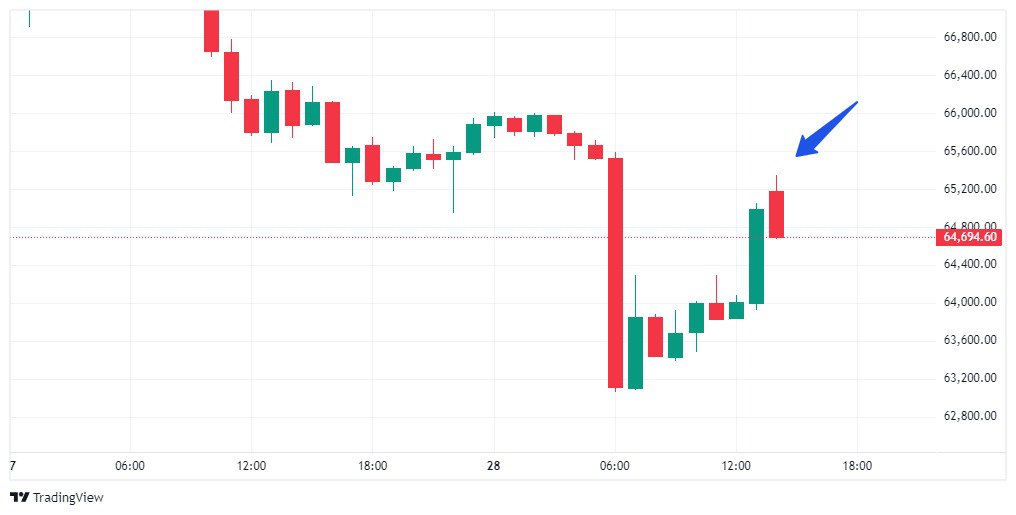
Contrary to expectations of Bitcoin growth, during the escalation on February 28, 2026, the cryptocurrency price declined: BTC fell below 64,000 USD, losing about 3.8% and settling around 63,038 USD, reports The Economic Times. This correlates with traditional market reactions to geopolitical risks: during periods of uncertainty, investors tend to withdraw capital from risky assets. Rumors about Khamenei’s death only increased anxiety but did not themselves become a growth catalyst.
Prediction markets and expectations
On prediction markets such as Polymarket, probabilities of Khamenei leaving power or dying in the near future were actively traded. The market valued this probability as relatively high until March 2026 — indicating how emotional and speculative such events are for participants.
However, prediction markets reflect sentiment and expectations rather than objective facts, and high prices in such markets do not equal confirmed information.
Final picture
The geopolitical escalation on February 28, 2026 was accompanied by rumors about Khamenei’s fate but no confirmed facts about his death or serious injuries. Cryptocurrency markets reacted with a decline rather than growth, which is typical during phases of high uncertainty and fear of a broader conflict.
Conclusion for traders: During such periods, emotions and unreliable news act as strong destabilizing factors. The best advice is to avoid constantly checking trading apps if your goal is not to lose money to fake news and panic.
If you want to follow verified facts and analyze real data, it is better to rely only on official sources and confirmed reports rather than social media rumors. But oil prices will definitely rise.
By the way, Iran’s Foreign Minister Araghchi stated: “As far as I know, Ayatollah Ali Khamenei and President Masoud Pezeshkian are alive. All senior officials are alive — everything is fine.” “Almost all officials are safe and alive. We may have lost one or two commanders, but that is not a big problem.”
The fragment of the speech can be viewed on our Telegram channel.
All content provided on this website (https://wildinwest.com/) -including attachments, links, or referenced materials — is for informative and entertainment purposes only and should not be considered as financial advice. Third-party materials remain the property of their respective owners.